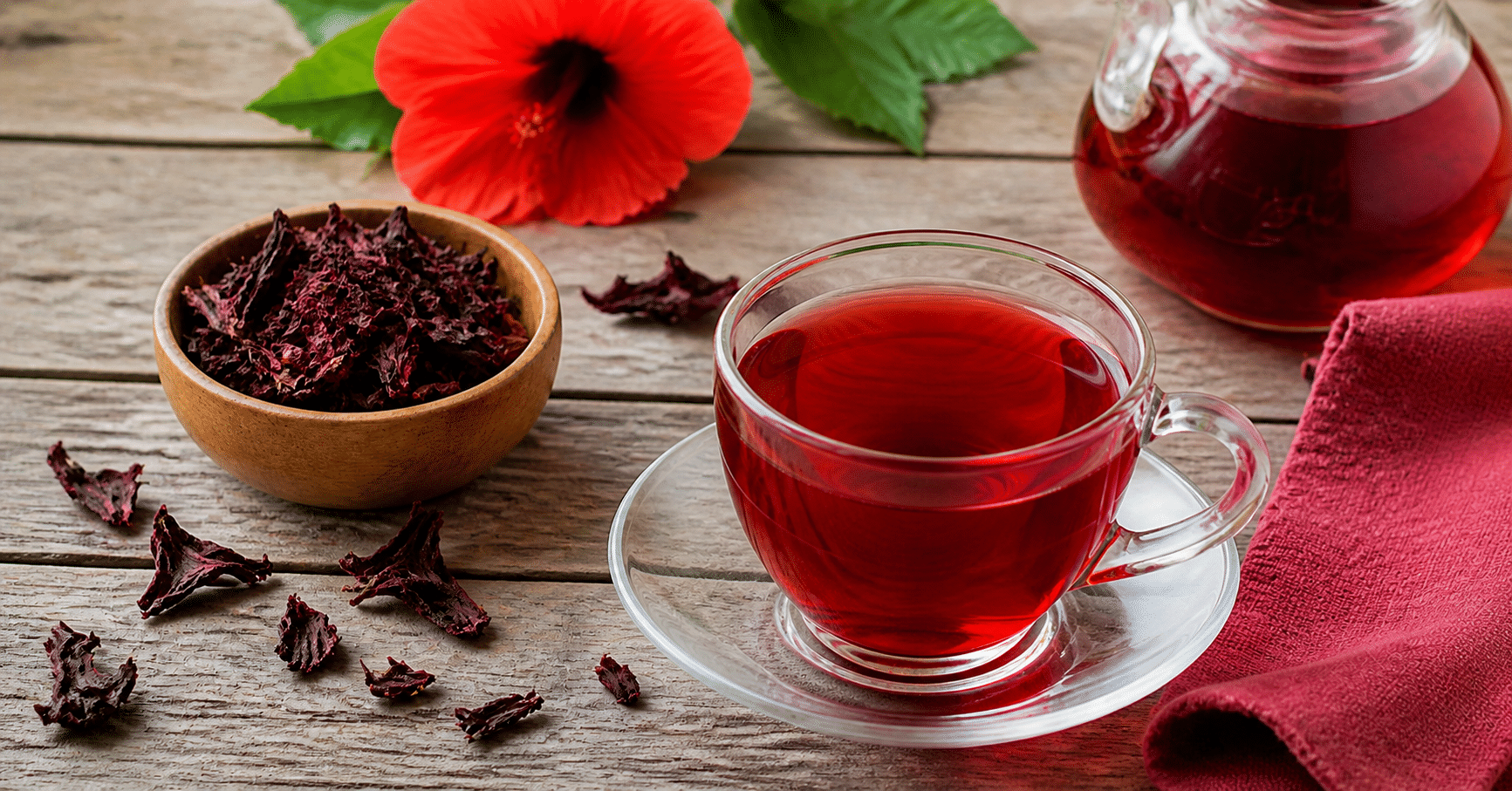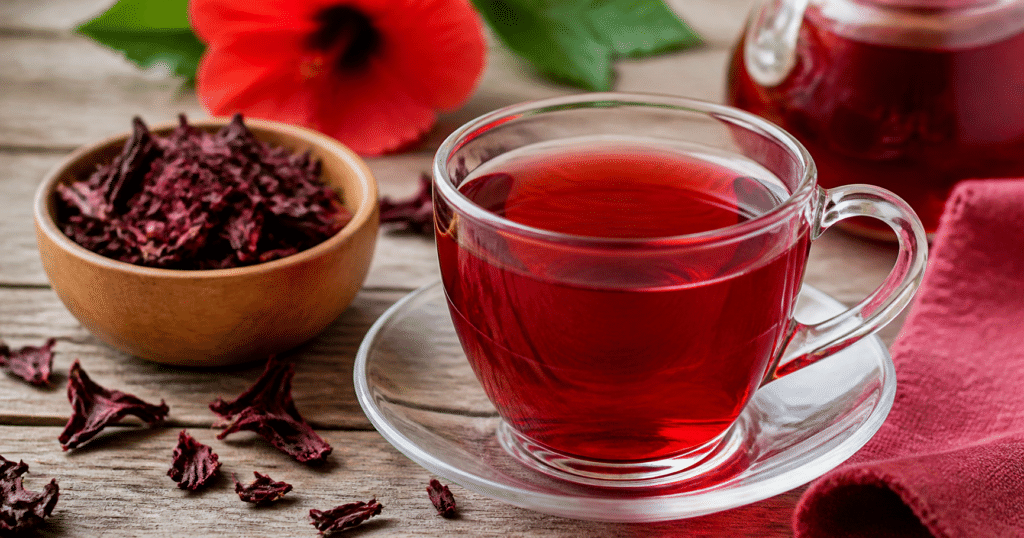
Hibiscus tea has the color of ruby juice and a sharp, cranberry-like tang—but its appeal goes beyond its striking appearance. The drink, usually made from the dried calyces of Hibiscus sabdariffa, has attracted scientific interest for a possible connection to blood pressure.
That research has made hibiscus tea a popular subject in wellness conversations. But a promising signal in clinical studies is not the same as proof that a tea prevents heart disease or replaces medication.
There’s another detail worth knowing before you brew a pot: “hibiscus” can refer to many plants, and not all are used to make this tart drink. Here’s what the research has explored, what remains uncertain, and how to make a flavorful version at home.
From tart herbal drink to a subject of blood-pressure research
Hibiscus tea is often called roselle tea, and in parts of the Americas the drink is known as agua de Jamaica. It is generally made with the fleshy red calyces—the parts surrounding the flower—not simply any hibiscus blossom. The dried calyces give the infusion its deep color and tangy taste.
Researchers have taken an interest in the drink because roselle contains plant compounds, including anthocyanins and other polyphenols. These compounds are being studied for their possible effects on blood vessels and other aspects of health. Laboratory findings can help suggest how a plant might work, but they cannot establish that drinking it produces a meaningful benefit in people.
Human studies have examined hibiscus tea or extracts, particularly in people with elevated blood pressure. Some trials and reviews report a modest lowering of blood pressure, but findings vary, and study methods and preparations are not identical. The evidence does not show that hibiscus tea prevents heart attacks or strokes, and it is not a substitute for prescribed treatment.
What the research does—and doesn’t—suggest
1. Blood pressure is the clearest area of interest
Among the potential health effects studied, blood pressure has the most notable research signal. Some clinical trials have found lower readings after participants consumed hibiscus preparations, though the results are not consistent enough to promise the same effect for everyone.
A cup of tea is also not necessarily equivalent to the extracts or standardized preparations used in a study. The plant variety, amount, brewing method, and frequency of use can all change what ends up in the cup.
2. The proposed mechanisms are not the same as proven benefits
Hibiscus contains colorful plant pigments and other compounds that researchers are investigating for possible effects on blood-vessel function. Those mechanisms are scientifically interesting, but they do not prove that the tea improves long-term heart health or changes an individual’s risk of disease.
Claims about cholesterol, blood sugar, or weight management deserve similar caution. Findings from limited or varied studies are not a reason to treat hibiscus tea as a therapy for those concerns.
3. A tart, unsweetened cup can be a useful drink choice
Hibiscus tea has a naturally bold flavor, so it can be enjoyable without much added sugar. That makes it a flavorful alternative to sweetened drinks for people who like its acidity. The practical benefit is straightforward: it is a drink you may enjoy, not a medicine with guaranteed results.
How to make a bright, tart hibiscus tea
This simple batch makes about four cups. It can be served warm or chilled, and the flavor is easy to adjust by changing the steeping time or adding citrus.
Ingredients
-
- 1/4 cup dried hibiscus calyces intended for food use
-
- 4 cups water
-
- Honey, sugar, or another sweetener, to taste (optional)
-
- Lemon or orange slices, optional
Step-by-step instructions
-
- Bring the water to a boil in a saucepan or kettle.
-
- Place the dried hibiscus in a heat-safe pot or bowl. Pour the hot water over it.
-
- Steep for 10 to 15 minutes. A longer steep makes a stronger, more tart infusion.
-
- Strain out the calyces. Taste the tea, then add sweetener if desired.
-
- Serve warm, or let it cool before refrigerating. Pour over ice and add citrus for a refreshing cold drink.
Store leftover tea in a covered container in the refrigerator and use it within three days. For a less intense cup, dilute it with water; for more tartness, add a little lemon rather than extra sweetener.
Small details that make a difference
Choose dried hibiscus labeled for culinary use, often sold as roselle or hibiscus calyces. Avoid assuming that a decorative hibiscus plant is suitable for tea; ornamental plants may be treated with products not intended for food, and the species may differ.
If you take medication for high blood pressure, ask your health professional before making hibiscus tea a regular, concentrated part of your routine. Because research suggests it may lower blood pressure in some people, combining it with medication could potentially affect your readings. Keep taking prescribed medicine unless your clinician advises otherwise, and don’t use tea in place of blood-pressure checks or medical care.
For a simple way to see how it suits you, start with a regular-strength cup and note how you feel. If you monitor your blood pressure, keep following your usual measurement routine rather than relying on a single reading.
A good cup, with realistic expectations
Hibiscus tea offers a vivid color, a naturally tart taste, and an intriguing area of ongoing research—especially around blood pressure. The findings are promising enough to be interesting, but not strong enough to make the drink a treatment or a replacement for care.
Brew it because you enjoy it, adjust the tartness to your taste, and treat the research as a reason for curiosity rather than a health guarantee.