The gut microbiome is often described as a hidden partner in health. That’s a useful image—as long as it doesn’t suggest there’s one perfect mix of microbes everyone should try to achieve.
Inside the digestive tract lives a changing community of bacteria, viruses, fungi, and other microscopic organisms. They interact with one another and with the body, and many respond to what we eat. But a “healthy gut” can’t be reduced to a single number on a test or a bottle of probiotics.
Interest in the microbiome has also brought plenty of hype: claims that one food can “reset” it, or that an at-home test can tell you exactly what to eat. The real picture is more practical—and less dramatic.
Here’s what the gut microbiome is, what it does, what science can and can’t tell us, and everyday ways to support it through food and routine.
What the Gut Microbiome Actually Includes
The gut microbiome is the community of microorganisms living in the digestive tract, along with their genes and the environment they share. The word microbiota usually refers to the organisms themselves; in everyday use, the two terms often overlap. The large intestine is home to a particularly dense community, though microbes are found elsewhere in the digestive system, too.
These organisms aren’t all “good” or “bad.” Some help break down parts of food that the body can’t digest on its own. When gut microbes ferment certain fibers, they produce substances including short-chain fatty acids, which help nourish cells lining the colon. Microbes also interact with the immune system and the gut’s protective barrier. Their effects depend on the organisms involved, the person, and the surrounding conditions.
The microbiome varies from one person to another and can change with diet, age, illness, medications, and other factors. A difference from someone else’s test result isn’t automatically a problem. Researchers are still working out which microbial patterns matter for specific health outcomes, so there is no single, established “ideal” microbiome profile for everyone.
Three Useful Facts Behind the Microbiome Buzz
1. Fiber feeds more than your appetite
Many plant foods contain fibers that pass through the small intestine largely undigested. Some of these become fuel for gut microbes in the colon. Beans, lentils, oats, vegetables, fruit, nuts, seeds, and whole grains provide different kinds of fiber, which is one reason a varied diet can be useful.
More fiber isn’t always comfortable overnight. If you’re used to eating little of it, increase portions gradually and drink enough fluids. A sudden jump in beans or bran can cause gas or bloating, even when the foods are nutritious.
2. Fermented foods are not all the same as probiotics
Yogurt with live cultures, kefir, and some fermented vegetables contain living microorganisms. But fermentation doesn’t guarantee that a product contains a clinically studied probiotic strain or a particular health effect. Cooking or pasteurization can also kill live cultures, so check labels if live microbes are what you’re seeking.
Probiotics are specific live microorganisms studied for particular purposes. Evidence for one strain or condition doesn’t automatically apply to every probiotic product. For most people, fermented foods can be part of a varied diet, but they aren’t a substitute for medical care.
3. A stool test is not a complete health report
Commercial microbiome tests can identify some organisms in a stool sample, but results may be difficult to interpret. Testing methods and reference ranges vary, and there’s no universally accepted score that tells a person how healthy their gut is or precisely what foods they should eat.
If you have persistent digestive symptoms, a clinician can assess them in context and decide whether established testing is appropriate. A microbiome report alone shouldn’t be used to diagnose a condition or guide major diet changes.
A Practical, Low-Hype Way to Support Gut Microbes
Rather than chasing a particular organism, build a routine around foods that provide fiber and a range of nutrients. The goal isn’t perfection or an expensive supplement plan; it’s a pattern you can maintain.
-
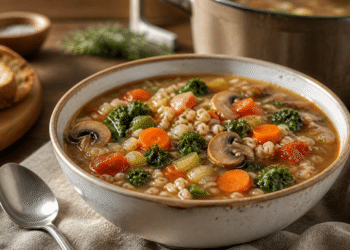
- Add one plant food at a time. Try berries with breakfast, lentils in soup, or a serving of vegetables at dinner. If you’re prone to bloating, start with smaller portions and increase them slowly.
-
- Choose variety over a “superfood.” Rotate among fruits, vegetables, beans, whole grains, nuts, and seeds as your budget and preferences allow. Frozen and canned options can count; compare labels for added salt or sugar when relevant.
-
- Include fermented foods if you enjoy them. Plain yogurt with live cultures or a small serving of fermented vegetables can fit into meals. They’re optional, not a required microbiome treatment.
-
- Notice your own response. Keep a simple food-and-symptom note if a certain food seems to bother you. Avoid cutting out whole food groups for a test result alone; a clinician or registered dietitian can help investigate ongoing symptoms.
-
- Be thoughtful with supplements. Probiotics are not interchangeable, and they may not be appropriate for everyone. Ask a healthcare professional before using them if you have a serious illness, a weakened immune system, or complex medical needs.
What Can Disrupt the Gut—and What Not to Do About It
Antibiotics can affect microbes in the gut, but they are important medicines when prescribed for a bacterial infection. Don’t skip, stop, or change a prescription because of concerns about the microbiome; discuss side effects or questions with the prescribing clinician. Other medicines can affect digestion, too, so a new symptom deserves a conversation rather than an assumption that “bad bacteria” are to blame.
Be wary of products promising a full gut “reset,” detox, or guaranteed restoration of balance. The microbiome is an ecosystem, not a dirty filter that needs cleansing. Extreme restrictions and unneeded supplements can add cost and make it harder to meet nutritional needs.
The Takeaway: Think Habits, Not Hype
Your gut microbiome is a diverse, individual community that helps process parts of food and interacts with the body. Scientists are learning more about it, but there is no universal ideal profile—and no single food or supplement that can promise to fix it.
For everyday support, focus on a varied eating pattern with fiber-rich plant foods, make changes gradually, and treat persistent symptoms as a reason to seek medical advice. The most useful “microbiome plan” is usually the one that looks like sensible meals you can keep eating.