After 50, a meal can look filling and still be light on protein. Toast, fruit, and coffee may make a familiar breakfast, for example, but they often provide much less protein than a breakfast built around eggs or Greek yogurt.
Protein matters throughout life, but preserving muscle becomes an especially practical concern as we age. Muscle supports everyday tasks such as climbing stairs, carrying groceries, and getting up from a chair. Food choices can help supply the building blocks muscle needs, alongside regular movement and strength-building activity.
There’s no single protein target that suits everyone, and more isn’t automatically better. Here’s how to think about your needs after 50—and how to add useful amounts of protein to meals without relying on complicated recipes or supplements.
Why Protein Deserves a Place at Every Meal
Your body breaks dietary protein into amino acids, which it uses to build and repair tissues, including muscle. With age, muscle may respond less strongly to the same signals from food and activity. That’s one reason it can be helpful to make protein a visible part of meals rather than saving most of it for dinner.
The standard Recommended Dietary Allowance for adults is 0.8 grams of protein per kilogram of body weight per day. Some expert groups recommend a higher range—often 1.0 to 1.2 grams per kilogram—for healthy older adults, but that is not a universal prescription. Health conditions, activity level, appetite, and overall diet all matter. A clinician or registered dietitian can help personalize a target, particularly for people with kidney disease or other conditions that affect diet.
For a rough sense of scale, 150 pounds is about 68 kilograms: 0.8 grams per kilogram works out to roughly 54 grams a day, while 1.0 to 1.2 grams would be about 68 to 82 grams. These figures are examples, not a personal recommendation. Some people find it practical to include a meaningful protein source at each meal rather than trying to make up a shortfall at night.
Practical Ways to Add Protein to Meals
1. Start with a protein anchor
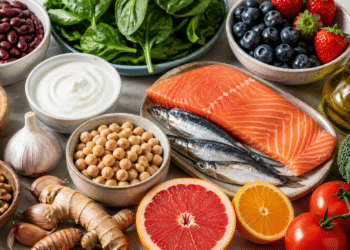
Choose the main protein first, then build the rest of the meal around it. Good options include eggs, fish, poultry, lean meat, dairy foods, tofu, tempeh, beans, lentils, and edamame. A “protein anchor” doesn’t have to be meat: beans in a grain bowl or tofu in a stir-fry can do the job.
Approximate amounts vary by brand and preparation, but these everyday servings offer a useful guide:
- 3 ounces of cooked chicken or turkey: about 22–26 grams
- 3 ounces of cooked salmon: about 20–23 grams
- 2 large eggs: about 12 grams
- 1 cup of milk: about 8 grams
- About 7 ounces of plain Greek yogurt: often 15–20 grams
- 1 cup of cooked lentils: about 18 grams
- 1 cup of shelled edamame: about 17 grams
Check package labels when precision matters; serving sizes and protein content differ between products.
2. Give breakfast a protein upgrade
Breakfast is an easy meal to overlook. Pair oatmeal with milk and a spoonful of peanut butter, serve eggs with whole-grain toast, or add Greek yogurt and nuts to fruit. These combinations add protein while keeping familiar foods on the plate.
If you prefer a lighter breakfast, try cottage cheese with fruit or a hard-boiled egg alongside toast. The aim isn’t to turn breakfast into a large meal; it’s to avoid making it almost entirely refined grains or fruit when you have other needs to meet.
3. Use convenient foods to strengthen lunch
Leftover chicken or fish can top a salad or fill a sandwich. Canned tuna or salmon, rinsed canned beans, cottage cheese, and plain yogurt are other low-fuss options. A bowl of vegetable soup becomes more substantial with beans, lentils, or shredded chicken stirred in.
For a plant-based lunch, combine beans or tofu with grains and vegetables. Plant proteins can fit comfortably into a varied diet; eating a mix of foods over the course of the day helps provide a range of amino acids.
4. Make snacks count when meals are small
If your appetite is modest, a snack can contribute protein without requiring a bigger plate. Consider yogurt, a glass of milk or fortified soy milk, hummus with whole-grain crackers, or a small serving of nuts with cheese. Snacks are optional, not a requirement, but they can help spread food across the day.
Simple Meal Combinations to Try
These examples show how protein can fit into ordinary meals. Portions are flexible, and the protein totals will vary with brands and serving sizes.
- Breakfast: Two eggs with whole-grain toast and fruit; add a glass of milk if you want more.
- Lunch: A salad with 3 ounces of chicken, chickpeas, vegetables, and a whole-grain roll.
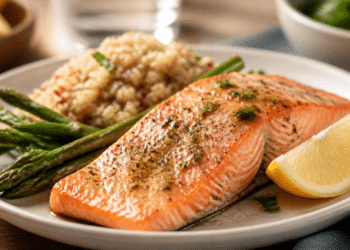
- Dinner: Salmon with roasted vegetables and potatoes, or lentil stew with a side of yogurt.
- Plant-based option: Tofu and edamame stir-fried with vegetables and brown rice.
A useful check: look at your plate and ask, “What is the protein here?” If the answer is hard to spot, consider adding eggs, dairy, beans, fish, poultry, tofu, or another protein-rich food.
Make the Goal Work for Your Life
Protein needs are only one part of a nourishing diet. Protein-rich foods also come with different nutrients: beans provide fiber, fish supplies fats and other nutrients, and dairy foods provide calcium as well as protein. Rotating choices helps keep meals varied.
Strength-building activity matters, too. Food provides materials for the body, while physical activity gives muscles a reason to maintain strength. If you have a medical condition, follow a prescribed diet, or struggle to eat enough, ask a healthcare professional for advice before making a major change or using protein supplements.
A Practical Takeaway for Your Next Meal
After 50, the most useful step may be a simple one: include a clear protein source at breakfast, lunch, and dinner, choosing foods you enjoy and can prepare regularly. You don’t need a perfect menu—just a dependable protein choice alongside the rest of a balanced meal.