Some of the resistant starch in your meals depends not just on what you eat, but on how you prepare it. A potato cooked for dinner and chilled for tomorrow’s salad can contain more resistant starch than the same potato served hot.
Resistant starch is a type of carbohydrate that passes through the small intestine without being fully digested. It’s found in familiar foods—including beans, oats, green bananas, and cooked-and-cooled rice or potatoes—so adding some to your diet doesn’t require a special product.
There’s a catch: cooling doesn’t transform an entire serving into fiber, and the amount varies with the food and how it’s handled. Here’s what resistant starch does, which everyday foods supply it, and a simple way to put the cooking-and-cooling effect to use.
What Resistant Starch Does in the Body
Most starch is broken down into glucose in the small intestine. Resistant starch resists some of that digestion and travels to the large intestine, where gut microbes ferment it. That process produces short-chain fatty acids, including butyrate, which serves as fuel for cells lining the colon.
Because it behaves somewhat like dietary fiber, resistant starch can contribute to a fiber-rich eating pattern. But foods containing it are not treatments for digestive or metabolic conditions, and research on specific health effects is still developing. The amount in a meal—and the way an individual responds—can vary considerably.
Food scientists describe several forms. Some resistant starch is naturally tucked inside intact grains and legumes; some is present in less-ripe bananas; and some forms after starchy foods are cooked and then cooled. Those categories help explain why a range of ordinary foods can contribute.
Everyday Foods That Naturally Contain Resistant Starch
1. Beans, lentils, and peas
Legumes are a practical source because their structure can make some starch less accessible to digestion. Kidney beans, chickpeas, black beans, split peas, and lentils also provide other nutrients and fiber, making them useful staples whether served in soup, salads, or a side dish.
Canned beans count, too. Drain and rinse them if you prefer, then add them to a meal; there’s no special cooling step required to enjoy their resistant starch.
2. Oats, barley, and intact whole grains
Oats and barley contain resistant starch along with other types of fiber. Intact or minimally processed grains can also retain a structure that slows access to their starch. Try barley in soup or a grain bowl, or choose a less-processed oat option when it suits your routine.
Cooking method and processing matter, so a grain’s resistant-starch content isn’t identical in every product or preparation. It’s more useful to think of these foods as part of a varied, fiber-rich diet than to expect a precise amount from a serving.
3. Green bananas and plantains
Bananas that are still green or only slightly yellow contain more resistant starch than fully ripe bananas. As they ripen, some of that starch changes into sugars, which is why ripe bananas taste sweeter and have a softer texture.
Green bananas can be firm and less sweet, so they may work better cooked or included in savory dishes. Plantains are also starchy, though their ripeness and preparation affect their composition.
4. Cooked-and-cooled potatoes, rice, and pasta
When certain cooked starches cool, some of their starch molecules rearrange into a form that is harder to digest. This process is called retrogradation. It can happen with potatoes, rice, and pasta, and some of the resistant starch may remain after reheating.
Cooling doesn’t make these foods “free” of digestible carbohydrate, and the effect varies by variety, cooking method, and time and temperature. Still, leftovers can be a convenient way to include resistant starch in a meal.
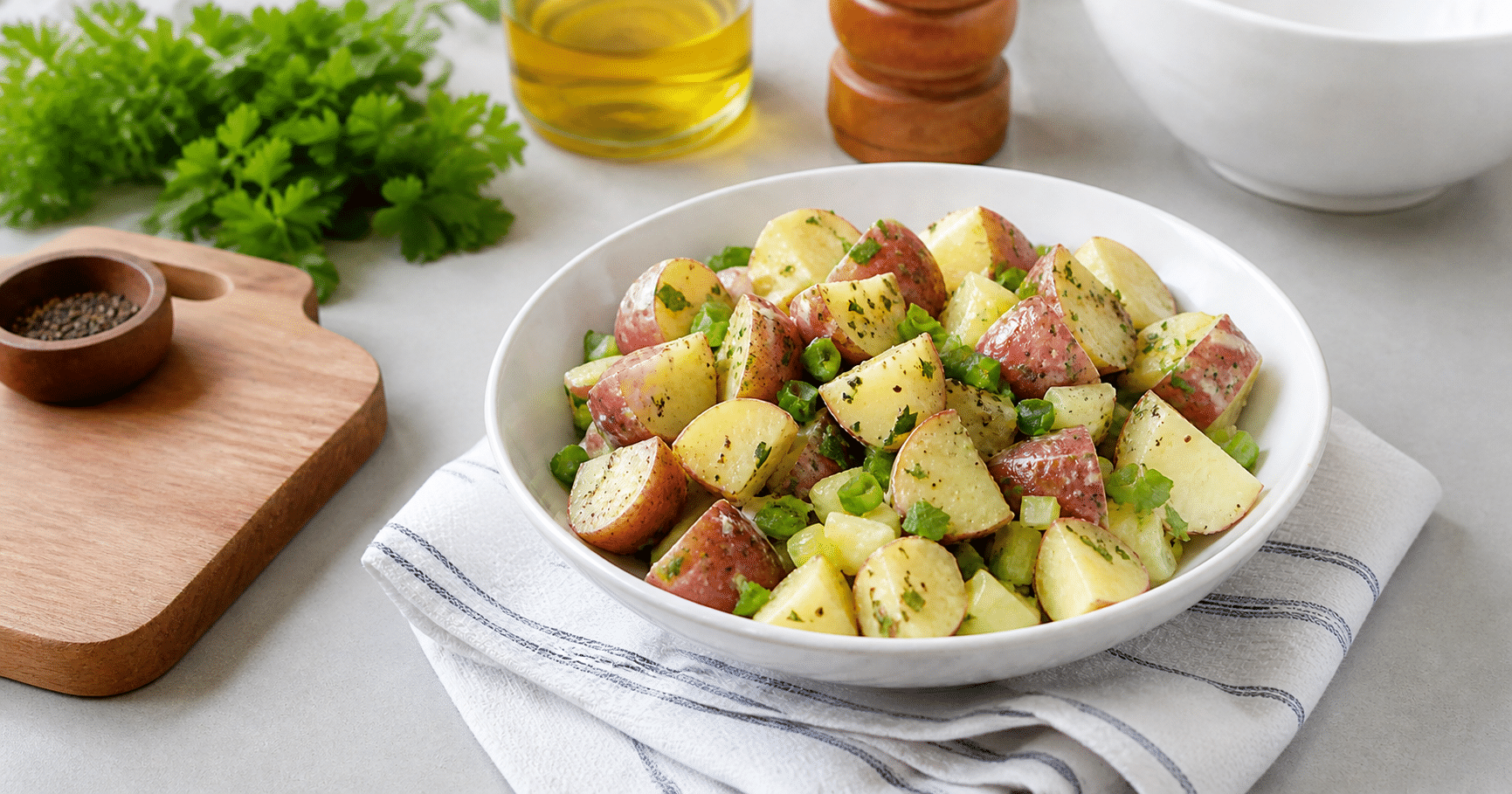
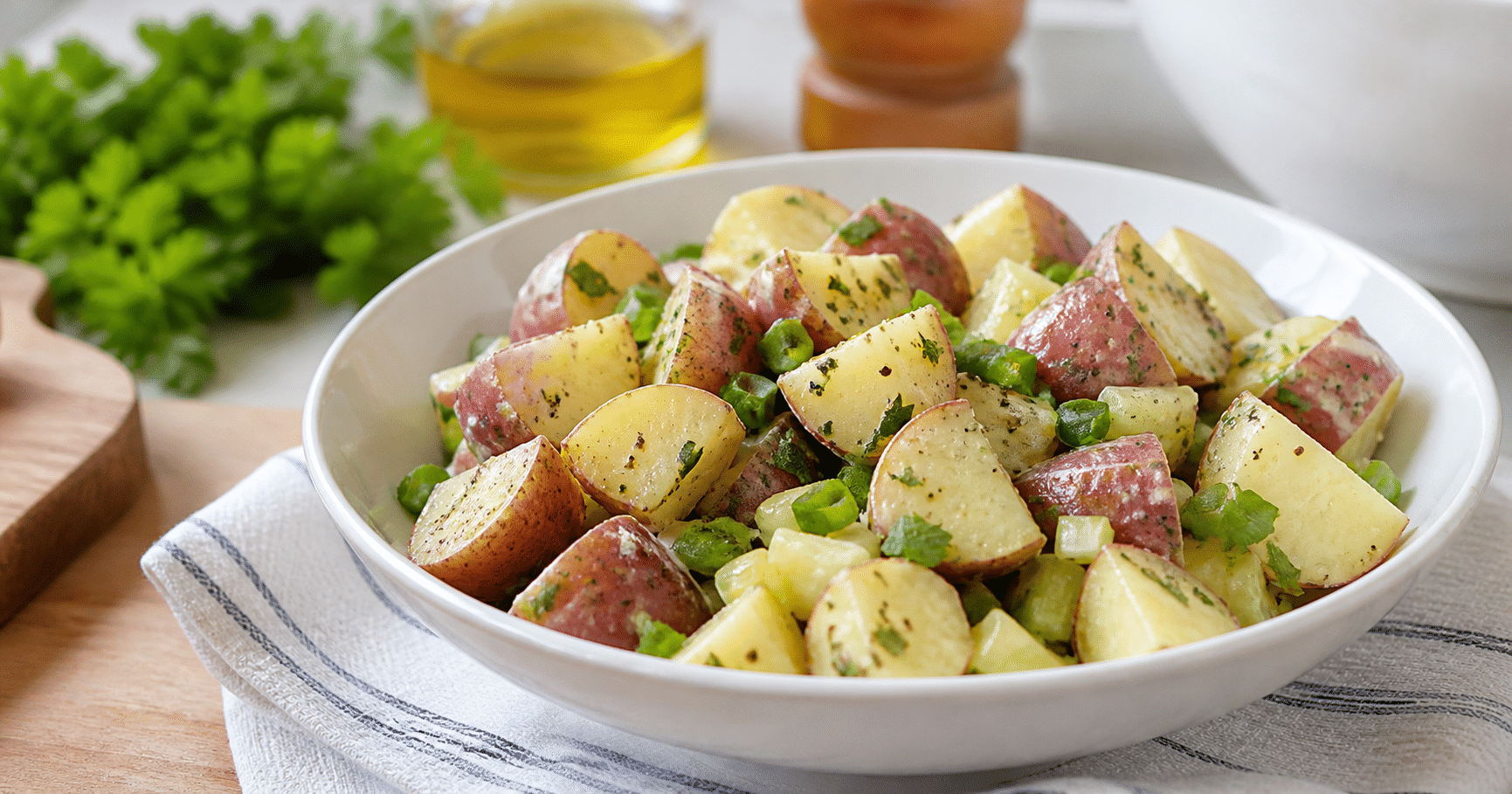
A Simple Cook-and-Chill Potato Salad
This easy side dish uses chilled potatoes, which develop some resistant starch as they cool. The recipe makes about four servings; it’s a food, not a therapeutic preparation.
Ingredients
-
- 1 1/2 pounds small red or Yukon Gold potatoes
-
- 2 tablespoons olive oil
-
- 1 tablespoon apple cider vinegar or lemon juice
-
- 1 teaspoon Dijon mustard
-
- 2 tablespoons chopped parsley or dill
-
- Salt and black pepper, to taste
-
- Optional: 2 sliced scallions or 1 chopped celery stalk
Step-by-Step Instructions
-
- Scrub the potatoes and cut any large ones in half so they cook evenly. Put them in a saucepan, cover with water, and bring to a boil.
-
- Reduce the heat and simmer until a knife slides into the potatoes easily, usually about 12 to 18 minutes, depending on size. Drain them well.
-
- Let the potatoes cool briefly, then refrigerate them in a covered, shallow container. Chill until cold, ideally overnight.
-
- Whisk together the olive oil, vinegar or lemon juice, mustard, herbs, salt, and pepper. Cut the chilled potatoes into bite-size pieces and toss with the dressing and optional vegetables.
-
- Serve cold or at room temperature. Refrigerate leftovers promptly and use within three to four days.
How to Get the Most From the Cooking-and-Cooling Effect
Cook starchy foods as you normally would, cool them promptly, and use them later in a salad, grain bowl, or side dish. For food safety, refrigerate perishable leftovers within two hours of cooking; don’t leave a pot of rice or potatoes sitting out for an extended period. Reheat leftovers until steaming hot, or enjoy them cold if the dish is meant to be served that way.
There’s no need to avoid freshly cooked potatoes or rice. Cooling may increase resistant starch, but hot versions are still nourishing foods. And if you’re increasing beans, whole grains, or other fiber-rich foods, do it gradually and drink enough fluids—some people notice gas or bloating when they make a sudden change.
Think of resistant starch as a useful bonus from everyday foods—not a reason to chase a particular number or overhaul your meals.
A Practical Takeaway
Beans, lentils, oats, barley, green bananas, and chilled cooked potatoes or grains are approachable sources of resistant starch. A little planning—such as cooking extra potatoes for tomorrow’s lunch—can make it easy to include.
The most reliable approach is variety: enjoy these foods in ways you like, and let the resistant starch come along with the rest of a balanced meal.