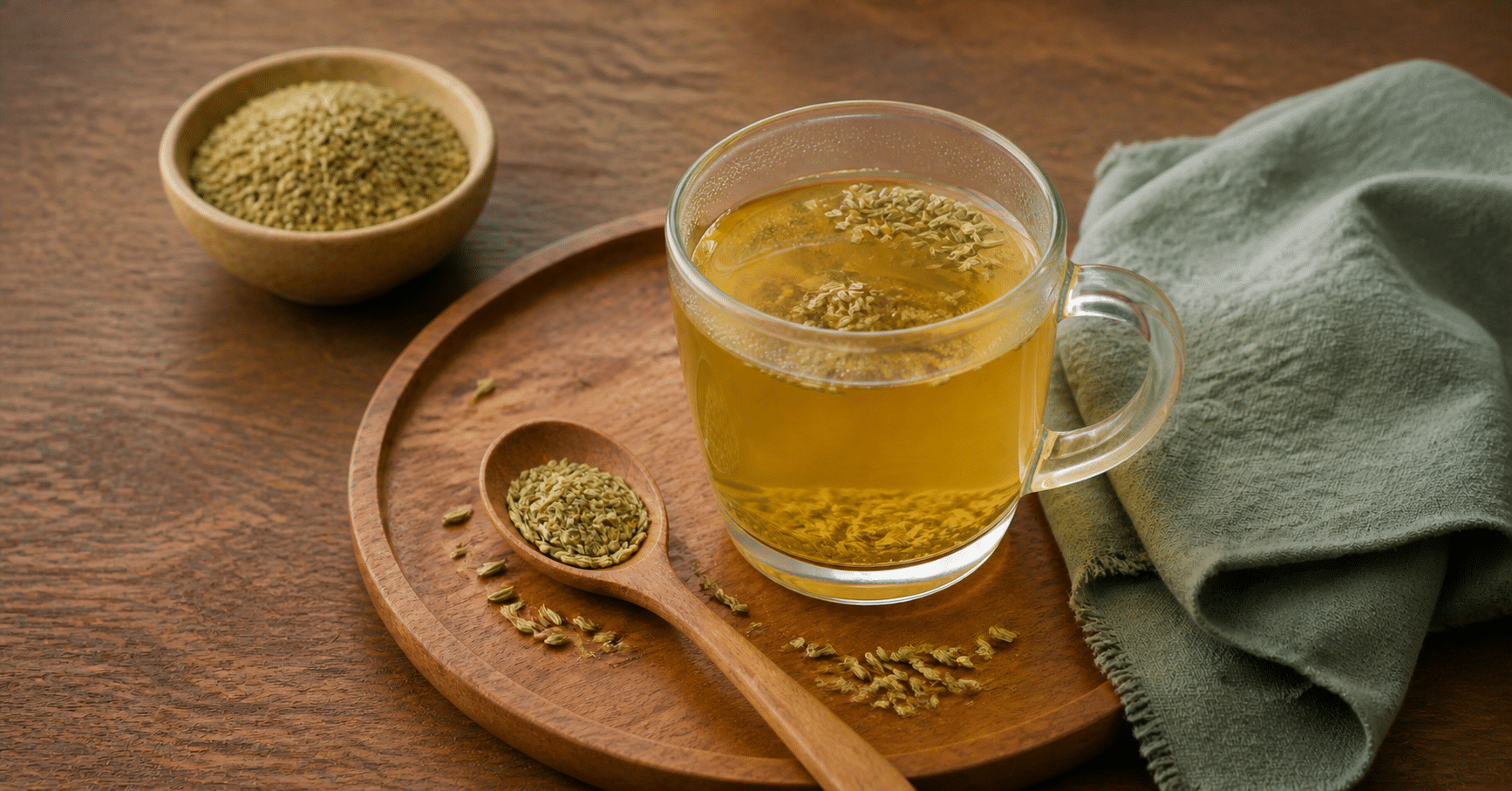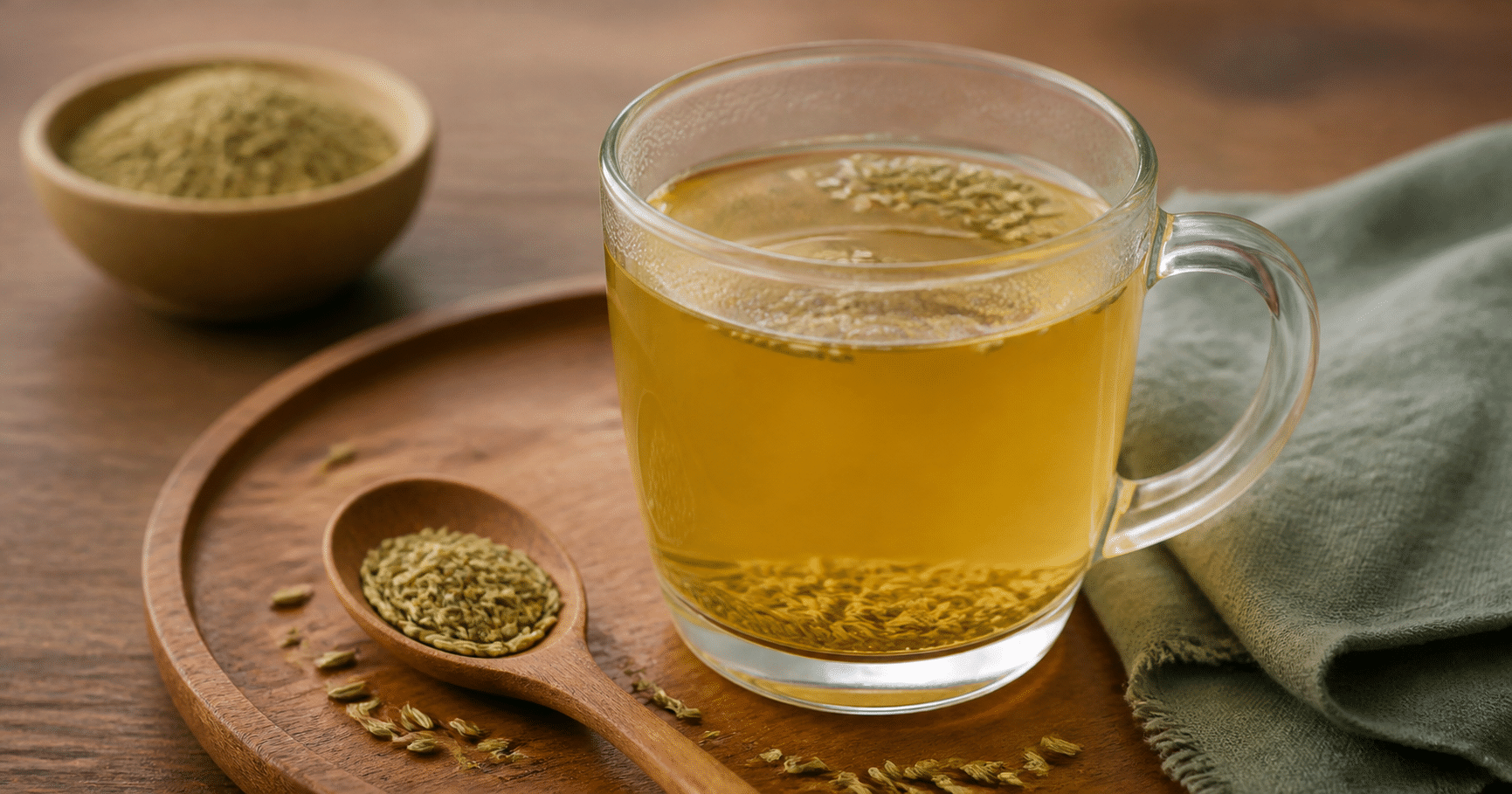
After dinner, a small cup of fennel seed tea offers something different from the usual mint or chamomile: a naturally sweet, gently warming flavor with a clear hint of licorice. In many food traditions, the seeds are served or steeped after a meal as a soothing finish.
That tradition is part of the appeal, but it is easy to overstate what the tea can do. Fennel has a long history as a digestive herb, yet a cup of tea is not a proven treatment for indigestion or bloating—and it does not undo a large meal.
What it can offer is a simple, caffeine-free ritual and a distinctive flavor that is easy to adjust. The small detail that makes the biggest difference is how you prepare the seeds: lightly crushing them releases more aroma, while steeping them too long can make the cup taste harsh.
Here’s what gives fennel tea its character, what traditional use does—and does not—tell us, and how to make a balanced cup at home.
Why Fennel Seed Tea Is a Traditional After-Dinner Drink
Fennel (Foeniculum vulgare) is a flowering plant whose seeds are used as a spice and in herbal infusions. In some cultures, people chew fennel seeds or drink fennel tea after eating. The custom is often linked with digestive comfort, but traditional use should not be confused with proof that the tea treats a digestive condition.
The seeds’ aroma comes largely from naturally occurring volatile oils, including anethole, which also contributes to the sweet, anise-like flavor. Hot water draws some of these aromatic compounds into the infusion. That is why freshly crushed seeds generally make a more fragrant cup than seeds left whole.
Research on fennel and digestive symptoms is limited and does not establish that a home-brewed tea reliably relieves problems such as gas, reflux, or indigestion. A warm drink may feel comforting, and the routine itself can be pleasant, but persistent or severe symptoms deserve medical attention rather than repeated self-treatment.
What to Expect From the Flavor—and the Tradition
1. Sweet, aromatic, and not quite licorice candy
Fennel tea has a soft sweetness and a flavor often compared with anise or licorice. It is usually lighter and less sugary than candy, with a warm, slightly herbal finish. The taste can vary with the freshness of the seeds and how long they steep.
2. A gentle after-meal ritual, not a digestive shortcut
A cup can make a satisfying end to dinner, especially if you want a warm drink without caffeine. But it should not be presented as a way to “flush” a meal, speed weight loss, or prevent digestive trouble. If the tea does not agree with you, there is no need to keep drinking it for tradition’s sake.
3. Seeds can be used beyond the teapot
Fennel seeds also work in cooking. Try a pinch in a soup, bread dough, roasted vegetables, or a spice rub. Using the same ingredient in food is an easy way to explore its flavor without turning a single cup of tea into a wellness promise.
How to Make Fennel Seed Tea After Dinner
This method makes one lightly sweet, aromatic cup. Crushing the seeds just before steeping helps release their fragrance; keeping the cup covered helps retain more of the aroma.
Ingredients
- 1 teaspoon whole fennel seeds
- 8 ounces boiling water
- Optional: a small slice of lemon or a little honey
Step-by-Step Instructions
- Lightly crush the fennel seeds with the back of a spoon or a mortar and pestle. Aim to split most of them, not grind them into powder.
- Put the seeds in a mug or small teapot and pour over 8 ounces of boiling water.
- Cover and steep for 5 to 10 minutes. Start at the shorter end for a delicate cup; steep longer for a stronger, more pronounced flavor.
- Strain out the seeds. Taste before adding anything: fennel is naturally sweet, so honey may not be necessary. Add lemon if you prefer a brighter finish.
Drink it warm, or let it cool and pour it over ice. This is a simple culinary infusion, not a therapeutic dose. For the best flavor, keep whole seeds in a tightly closed container away from heat and light, and crush only what you plan to use.
Small Adjustments That Improve the Cup
Use whole seeds when possible. Ground fennel loses its aroma more quickly and can make the tea cloudy or gritty. If your seeds smell faint or dusty rather than sweet and aromatic, they may be past their best.
Adjust the steep, not just the quantity. A longer infusion can bring out more flavor, but it may also taste overly strong or bitter. If your first cup is too mild, try crushing the seeds a little more or steeping for an extra minute before adding more seeds.
You can combine fennel with other herbs or spices, but keep the first cup simple so you can tell whether you like its natural flavor. And if you take medicines or have a health condition and plan to use fennel regularly for a medicinal purpose, ask a clinician or pharmacist about your situation. Avoid it if you know you are allergic to fennel or related plants.
A Gentle Finish to Dinner
Fennel seed tea is best understood as a flavorful, caffeine-free after-dinner drink rooted in culinary tradition—not as a guaranteed remedy. Lightly crush the seeds, cover the cup while it steeps, and stop before the flavor turns too intense.
Its real charm is uncomplicated: a warm mug, a sweet herbal aroma, and a few quiet minutes at the end of a meal.