“Ultra-processed food” has become a familiar phrase in conversations about inflammation, but it does not mean every packaged food is harmful—or that one snack can explain a health problem. The term describes a broad category, and researchers are still working out which parts of that category matter most.
The question is important because chronic inflammation is linked with many long-term health conditions, while everyday eating patterns are something people can change. Researchers are investigating whether diets high in ultra-processed foods are associated with inflammatory signals in the body, and why.
The answer is more nuanced than “processed food causes inflammation.” Some studies find a relationship; that alone cannot establish cause and effect. Understanding what researchers measure—and how foods get classified—can help make the findings useful without turning them into a reason to fear every convenience food.
What “Ultra-Processed” Means in Inflammation Research
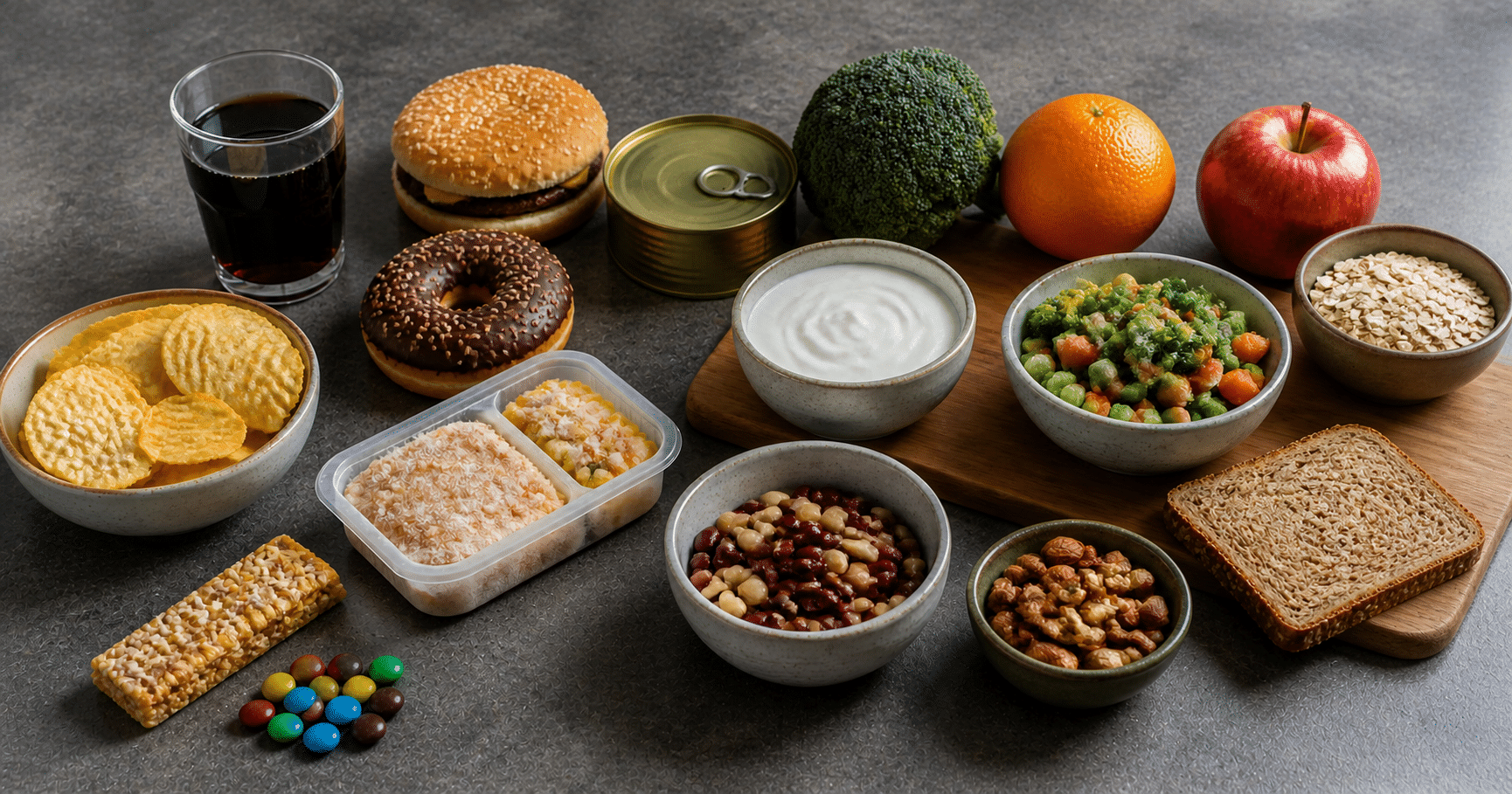
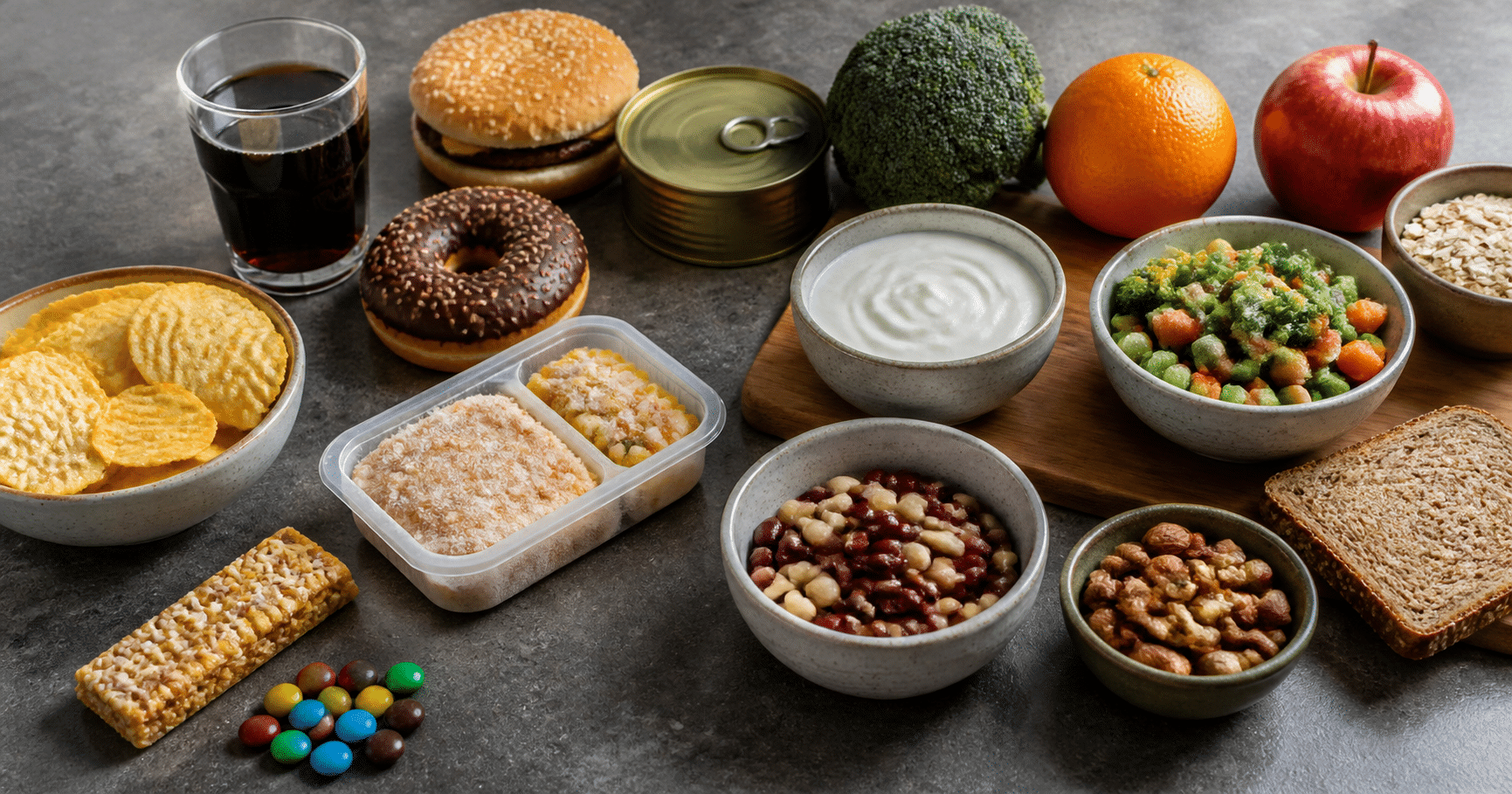
Many studies use the NOVA system, which groups foods according to how they are made and what they contain. Ultra-processed foods are generally industrial formulations made with ingredients or additives not commonly used in home cooking, such as certain flavorings, colors, sweeteners, or emulsifiers. Packaged chips, sugary drinks, some ready-to-eat meals, and many sweets are common examples.
But processing is not a simple measure of nutritional quality. Canned beans, plain yogurt, frozen vegetables, and some whole-grain breads are processed too, yet can be nutritious and practical choices. Even foods grouped as ultra-processed vary widely in ingredients, fiber, protein, salt, and added sugar.
Inflammation research may examine markers such as C-reactive protein (CRP) or interleukin-6 (IL-6), which can rise for many reasons. A blood marker is not a direct score of how “inflammatory” a meal is, and a single result cannot identify a particular food as the cause. Researchers look for patterns across diets and populations.
Why These Foods Are Being Studied
1. The overall diet may matter more than one ingredient
Many ultra-processed foods are easy to eat quickly and may be high in calories, refined starches, added sugars, or sodium while offering relatively little fiber. If they regularly crowd out vegetables, beans, fruit, nuts, and whole grains, the overall eating pattern can shift in ways researchers consider relevant to metabolic health and inflammation.
That does not mean every product in the category has the same effect. A sweetened drink, a packaged whole-grain cereal, and a frozen meal are not interchangeable simply because they come in packages.
2. Eating patterns can affect weight and metabolism
In a small, tightly controlled 2019 study, adults ate ultra-processed and minimally processed diets for two weeks each. Participants consumed more calories and gained weight during the ultra-processed phase, on average. The study was not designed to prove that ultra-processed foods directly cause inflammation; it illustrates one possible indirect pathway researchers consider: a diet that encourages excess intake may affect body weight and metabolic health over time.
Weight is only one part of the picture, and results from a short study do not predict what will happen to every person. Still, it helps explain why researchers distinguish a food’s direct biological effects from the effects of the eating pattern it encourages.
3. Additives and the gut are active research questions
Some researchers are studying whether particular additives could influence the gut lining or the community of microbes living in the digestive tract. Much of the concern comes from laboratory and animal research, while evidence showing that specific additives cause chronic inflammation in people remains limited.
It is more accurate to treat these ideas as questions under investigation than as established reasons to avoid every food containing an additive. The effects may depend on the substance, amount, food matrix, and a person’s broader diet.
How to Read the Evidence Without Overstating It
Large observational studies can compare people who eat more or fewer ultra-processed foods and track health outcomes. But people’s diets are tied to many other factors, including income, access to fresh food, smoking, activity, sleep, and existing health conditions. Researchers can adjust for some of these factors, but they cannot remove every possible influence.
There is also a classification challenge: studies may count foods differently, and broad categories can hide important contrasts. A finding about a diet high in packaged snacks and sweetened drinks does not automatically apply to every packaged product.
The most careful takeaway is that diets high in ultra-processed foods are a research concern, not proof that a particular product causes inflammation. Stronger evidence will need to clarify which foods, ingredients, or eating patterns are involved and whether changing them improves meaningful health outcomes.
A Practical Way to Use What Researchers Know
You do not need to overhaul your kitchen or identify every additive to make a useful change. Start with the foods that show up most often in your routine, especially those that provide little fiber or nourishment and are easy to eat in large amounts.
- Notice patterns, not isolated foods. For a few days, observe how often meals rely on sweet drinks, packaged desserts, chips, or ready-to-eat meals.
- Make an easy swap. Try fruit and plain yogurt instead of a packaged dessert, or add canned beans or frozen vegetables to a quick meal. These options are also processed, but can contribute useful nutrients and fiber.
- Keep convenience in the plan. Frozen produce, canned fish, and low-sodium canned beans can make meals easier. Rinsing canned beans can reduce some of their sodium.
- Build meals around foods with staying power. Vegetables, fruit, beans, nuts, whole grains, and protein-rich foods can make a meal more filling and varied.
These steps are not a treatment for inflammation, and there is no single “anti-inflammatory” food that cancels out an overall pattern. They are practical ways to make meals more nourishing without demanding perfection.
The Useful Takeaway
Ultra-processed foods matter in inflammation research because they may reflect several overlapping influences: the nutrients they replace, how much they encourage people to eat, and possible effects of particular ingredients. Researchers have not established that the entire category directly causes chronic inflammation.
For everyday choices, focus less on whether food comes in a package and more on what it contributes to your usual diet. A sensible pattern is built one meal at a time—not by fearing every label.