A little seaweed can make a bowl of rice taste brighter, a soup more savory, or a salad more interesting. It can also supply iodine, a mineral your body needs to make thyroid hormones.
But seaweed is not a predictable iodine supplement. The amount can vary dramatically by species and product, and some types—especially kelp and kombu—can contain far more iodine than a person needs in a day.
That makes the practical question less about whether seaweed is “healthy” and more about which kind you’re eating, how often, and in what amount. Here’s how to enjoy its flavor while keeping iodine’s benefits and limits in view.
Why iodine matters—and why seaweed is hard to measure
Your thyroid uses iodine to produce hormones that help regulate metabolism and support other functions in the body. Adults need 150 micrograms a day; the recommended amount is higher during pregnancy and breastfeeding. Iodine is essential, but more is not automatically better.
Sea vegetables absorb iodine from seawater, and their levels can differ widely with species, growing conditions, harvest, and processing. Kelp and kombu are often especially concentrated. Nori, the crisp seaweed used for sushi and snacks, is generally a less concentrated choice, but its iodine content still varies.
For adults, the tolerable upper intake level is 1,100 micrograms a day from food and supplements. That is a ceiling, not a target, and some people with thyroid conditions may be sensitive to excess iodine at lower intakes. A pinch of seaweed seasoning and a mug of kelp-based broth are not necessarily comparable servings.
Three useful ways to think about seaweed and iodine
1. It can contribute iodine, but it isn’t a thyroid “booster”
If you get too little iodine, correcting the shortfall matters. But extra iodine does not reliably improve energy, metabolism, or thyroid function in someone who already gets enough. Seaweed is best treated as a flavorful food, not a treatment for fatigue or a substitute for prescribed thyroid care.
2. The species and serving size matter
“Seaweed” covers many different foods. Kelp and kombu can be very high in iodine, while nori is often used in smaller, more manageable portions. Even within a type, the amount in a serving may vary; if a package lists iodine, use that information, but don’t assume every brand or sheet contains the same amount.
Seaweed supplements and kelp capsules deserve particular caution: they can deliver concentrated iodine, and the dose may be hard to judge. A familiar food portion is generally easier to manage than a supplement marketed as a thyroid or mineral remedy.
3. Other foods can supply iodine, too
Fish and other seafood, dairy products, and eggs can contribute iodine. Iodized table salt is another source in the United States, but specialty salts such as sea salt are not necessarily iodized. Choose salt for its intended use and keep overall sodium intake in mind; there’s no need to add extra salt simply to obtain iodine.
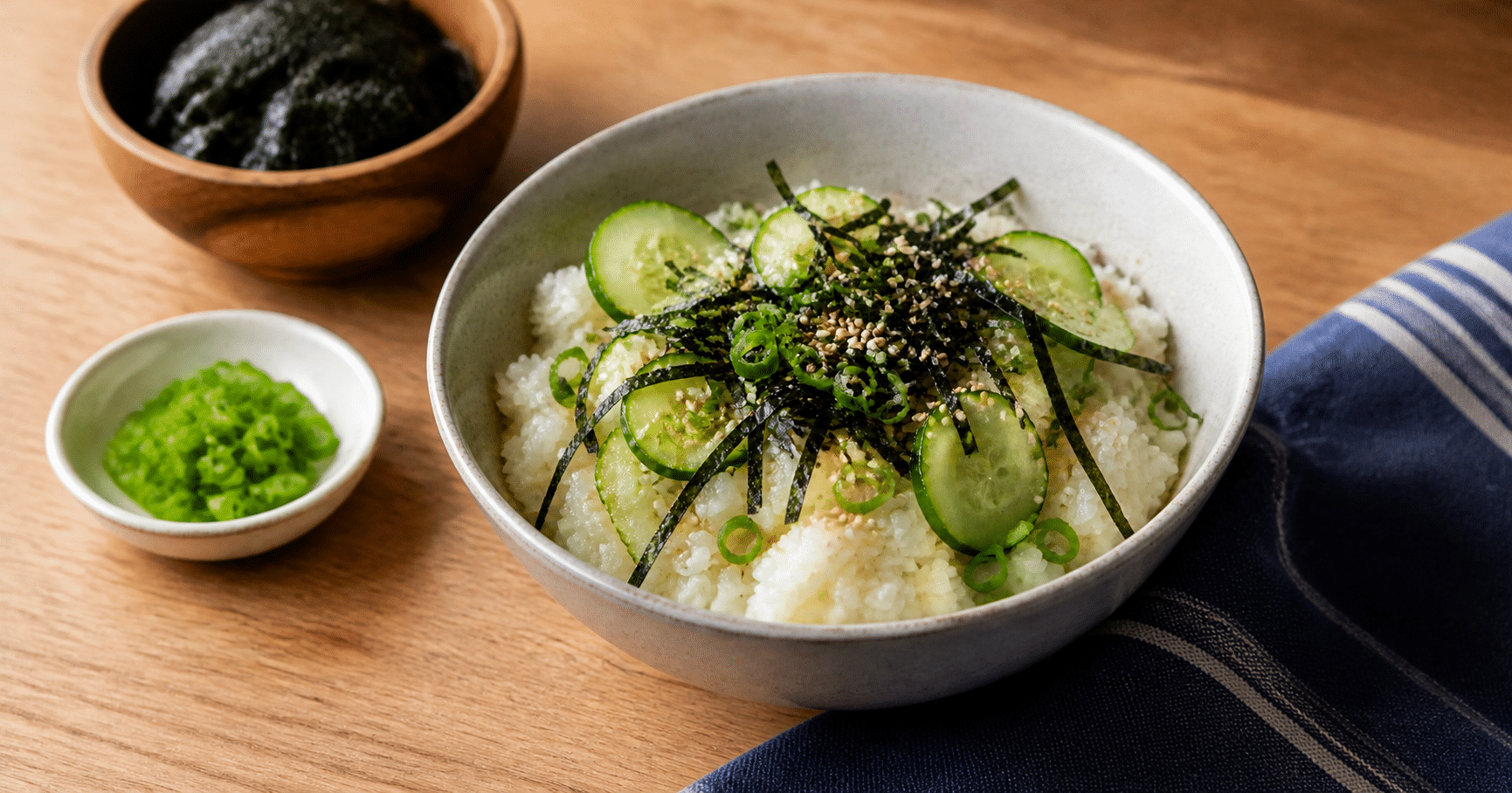
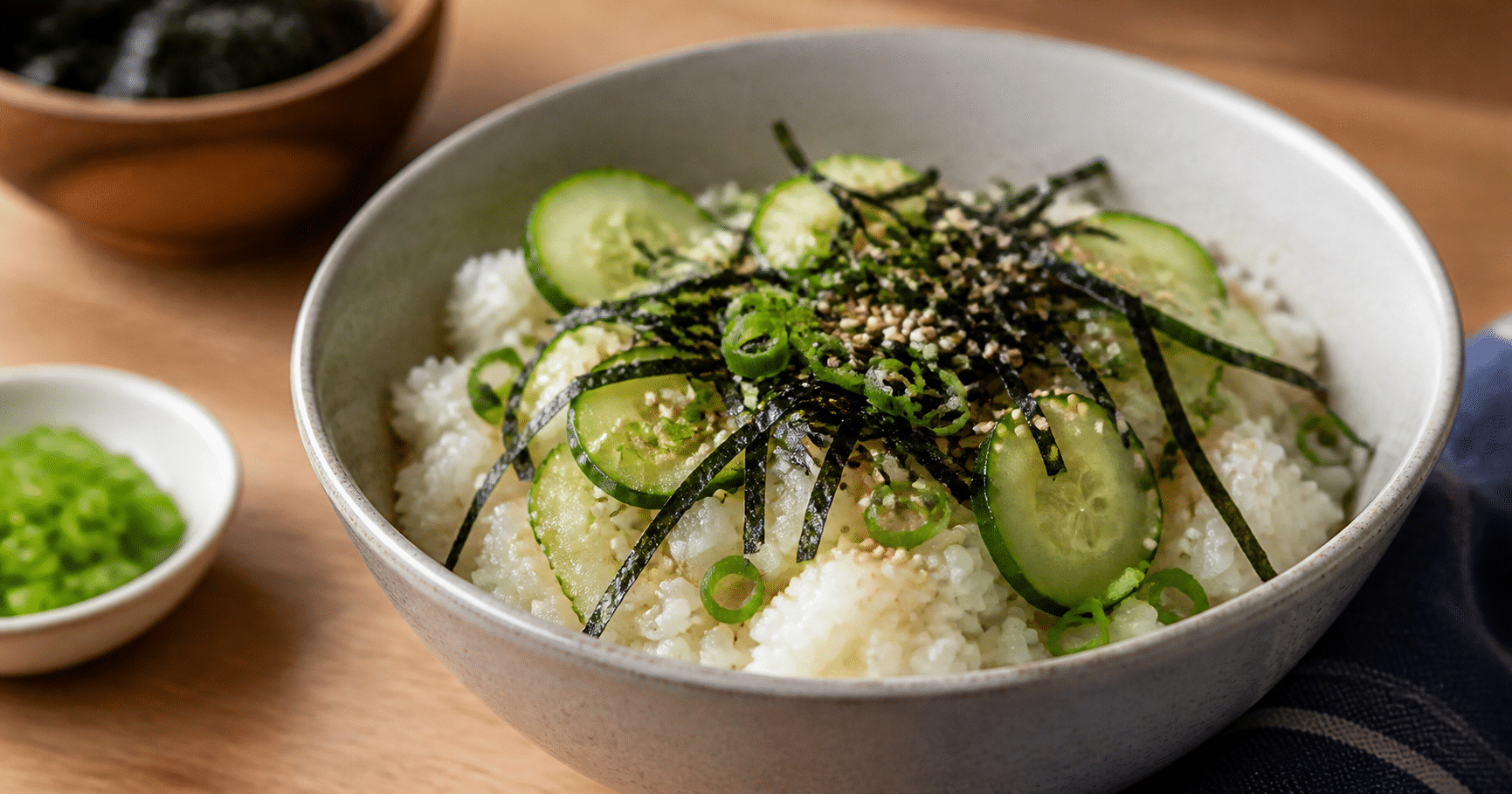
A quick nori, cucumber, and sesame rice bowl
This simple bowl uses nori for a savory finish rather than relying on a large amount of kelp or kombu. It makes two servings; the iodine content will depend on the nori brand and portion.
Ingredients
- 2 cups cooked rice, warm or chilled
- 1 small cucumber, thinly sliced
- 1 teaspoon rice vinegar
- 1 teaspoon toasted sesame oil
- 1 teaspoon sesame seeds
- 1 to 2 sheets plain nori, cut into thin strips
- Optional: sliced scallions or a little low-sodium soy sauce
Step-by-Step Instructions
- Divide the rice between two bowls.
- Toss the cucumber with the rice vinegar and sesame oil, then spoon it over the rice.
- Scatter on the sesame seeds and nori strips. Add scallions or a small splash of soy sauce if you like.
- Serve right away, while the nori is crisp. If packing ahead, keep the nori separate and add it just before eating.
Use the serving size on the nori package as a guide, particularly if you eat seaweed regularly. For a mild, savory note, a small crumble over rice, eggs, or soup can go a long way.
Small habits that help keep portions sensible
Check the species name and serving size, not just the word “seaweed” on the front of the package. If iodine is listed, compare the amount per serving with the adult daily requirement; if it is not listed, that uncertainty is another reason to avoid making concentrated kelp products a daily routine.
Cooking and soaking can change the iodine in seaweed, but the reduction is not reliable enough to turn a high-iodine product into a predictable serving. Don’t count on rinsing or boiling kelp to make its iodine content safe or consistent.
If you have thyroid disease—particularly an overactive thyroid, thyroid nodules, or autoimmune thyroid disease—ask your clinician before using seaweed or iodine supplements regularly. That is especially important if you take thyroid medication or are considering a product marketed for thyroid support. Seaweed is not a replacement for testing or treatment.
Enjoy the flavor, not the iodine gamble
Seaweed can be a useful, distinctive ingredient and a source of iodine, but its mineral content is not uniform. Choose a type and portion you can identify, favor modest servings of nori for everyday meals, and be wary of concentrated kelp products.
The simplest rule: let seaweed season the meal rather than serve as your daily iodine dose.