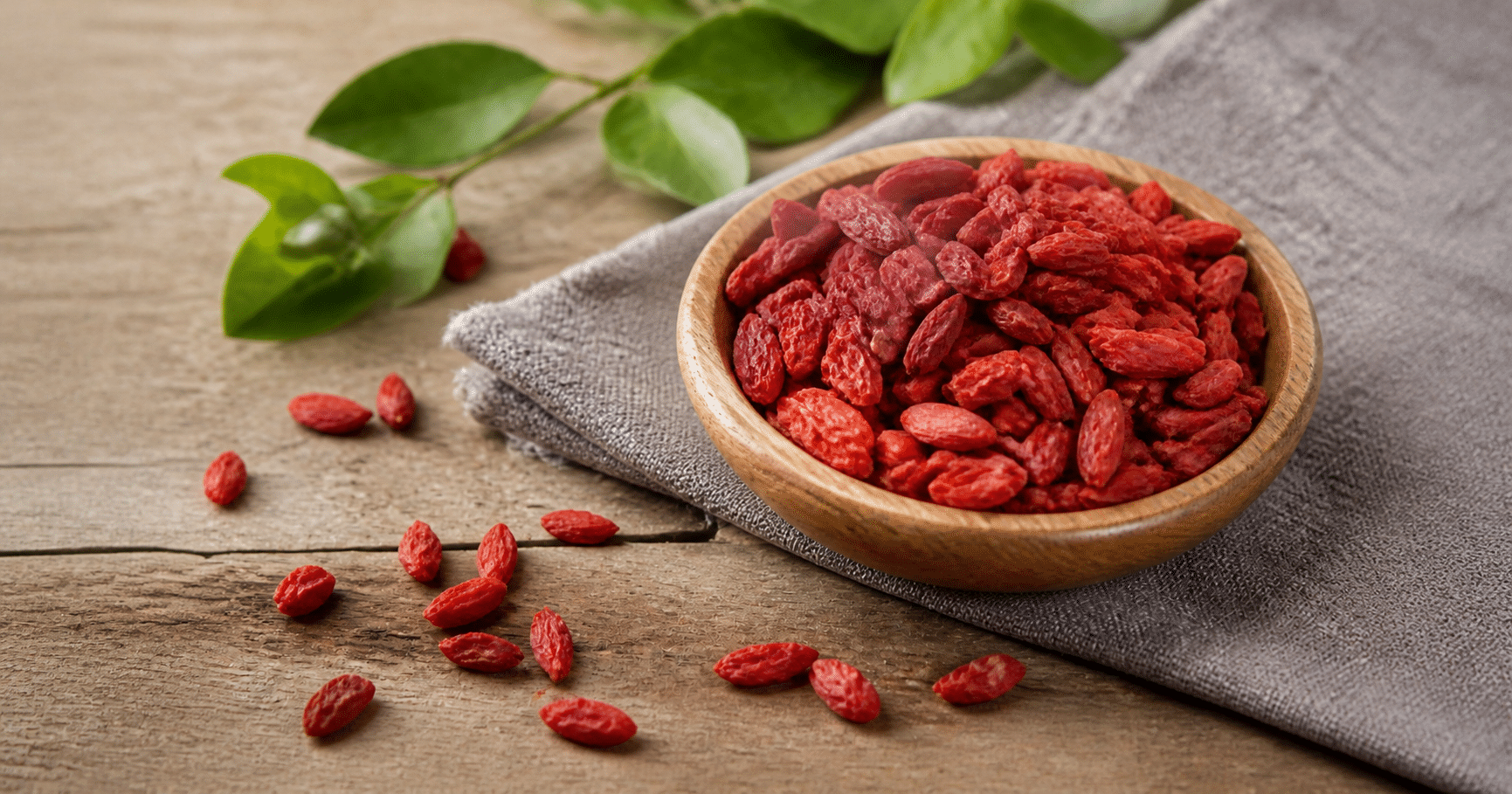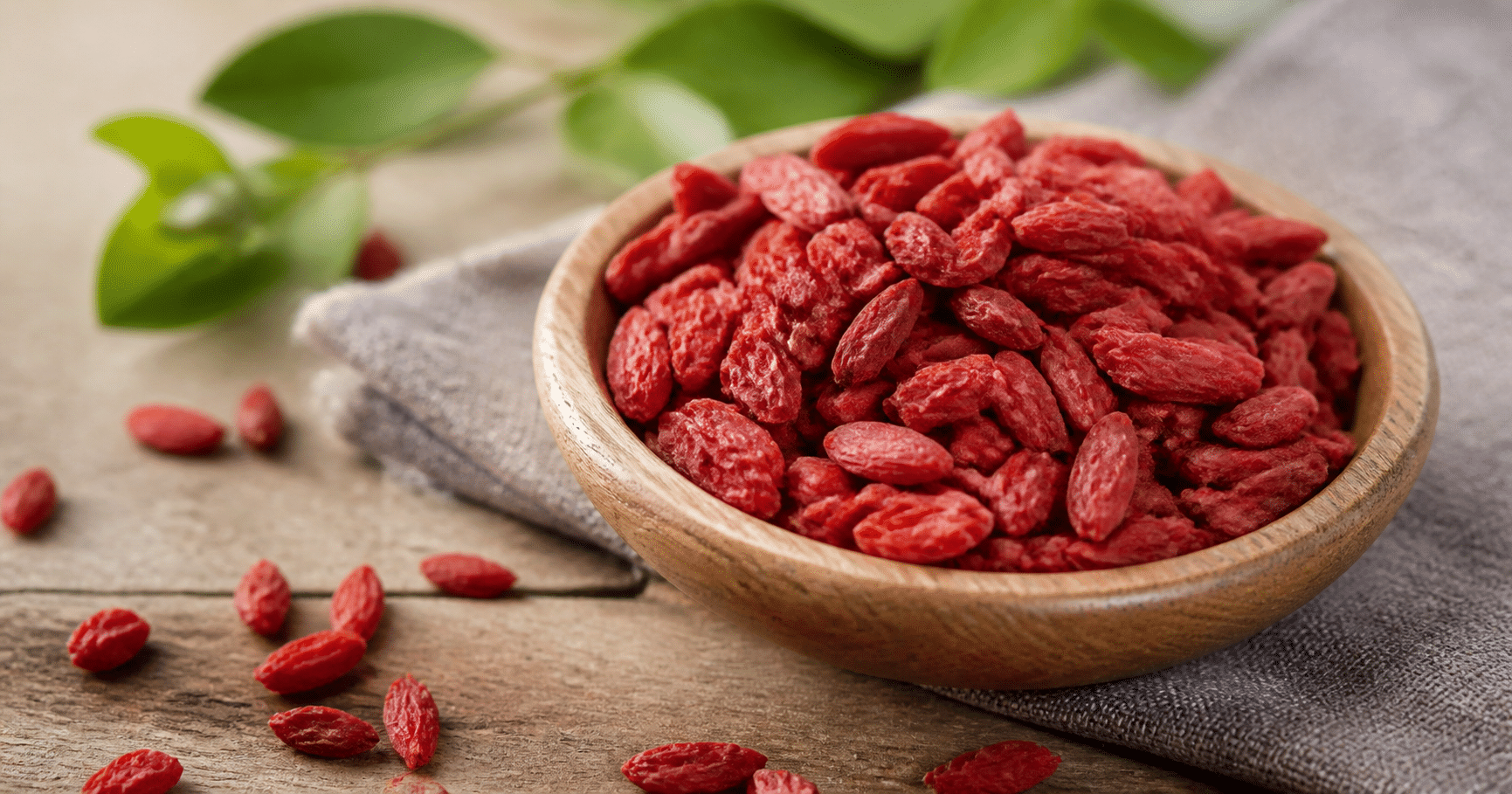
Goji berries look like tiny red jewels, but their flavor is less like a fresh strawberry and more like a chewy, mildly sweet raisin with a tart, earthy edge. They’re often sold dried, which makes them easy to keep on hand—and easy to mistake for a food that deserves a special health halo.
These berries do offer useful nutrients, including fiber and carotenoids, but they aren’t a nutritional shortcut. A small handful is also more concentrated in calories and natural sugar than the same amount of fresh fruit.
So, are goji berries worth buying? That depends on whether you enjoy their distinctive taste, how you plan to use them, and what they cost where you shop. Here’s what they contribute, what the research can and can’t tell us, and a simple way to try them without committing to a large bag.
What Goji Berries Offer—and What They Don’t
Goji berries, also called wolfberries, are the fruit of plants in the Lycium genus. In U.S. stores, they’re most often sold dried. Drying removes water, giving them a longer shelf life and a concentrated, chewy texture. It also means a small portion contains more calories and sugar than an equal volume of fresh berries.
Dried goji berries provide carbohydrates, some fiber and a modest amount of protein for a fruit. They also contain carotenoids, including zeaxanthin and beta-carotene. Carotenoids are plant pigments; zeaxanthin is also found in the eye. That makes goji an interesting food, but it does not mean eating the berries has been shown to prevent or treat eye disease.
Research on goji includes studies of extracts and concentrated products as well as the whole fruit. Findings from one form don’t automatically apply to another, and current evidence doesn’t support treating goji berries as a cure-all. Think of them as one flavorful dried fruit—not a replacement for a varied diet or medical care.
Three Things to Know Before You Buy
1. The taste is distinctive, not universally “berry-like”
Expect a soft, leathery chew and a sweet-tart flavor, often with a faint herbal note. They’re not as juicy or bright as fresh blueberries or raspberries. Some people like them straight from the bag; others find them more appealing softened in oatmeal, soup or tea.
If you’re unsure, buy the smallest package available. A few berries mixed into a familiar food are an easier test than a bowlful on their own.
2. A little goes a long way in recipes—and on the nutrition label
Because most packages contain dried fruit, compare serving sizes on the label rather than judging by handful. Calories, added ingredients and portion sizes vary by brand. Choose a product with goji berries as the main ingredient, and check for added sugar or preservatives if those matter to you.
They can add chew and sweetness to yogurt, oatmeal, grain bowls or homemade trail mix. They’re not automatically a better choice than raisins, dried cranberries or other dried fruit; the best option is one you enjoy and will use.
3. The wellness claims deserve a closer look
Goji berries are sometimes promoted for immunity, longevity or sharper vision. Their nutrients can be part of a healthy eating pattern, but claims that the fruit itself delivers those outcomes go beyond what the evidence establishes. In particular, the presence of zeaxanthin is not proof that eating goji will protect eyesight.
Also, goji can interact with warfarin, a blood-thinning medication. People taking warfarin should check with their clinician or pharmacist before adding goji berries or goji products to their routine. If you take prescription medication, ask a pharmacist about a possible interaction rather than relying on a product’s health claims.
Easy Goji Berry Oatmeal
Simmering goji berries with oats softens their chewy texture and spreads their tart-sweet flavor through breakfast. This makes two modest servings; adjust the sweetness after tasting, since dried fruit varies.
Ingredients
-
- 1 cup old-fashioned rolled oats
-
- 2 cups water or milk of your choice
-
- 2 tablespoons dried goji berries
-
- Pinch of salt
-
- ½ teaspoon cinnamon, optional
-
- Chopped walnuts or a spoonful of plain yogurt, for serving, optional
Step-by-Step Instructions
-
- Combine the oats, water or milk, goji berries and salt in a small saucepan. Add cinnamon if using.
-
- Bring to a gentle simmer over medium heat, then lower the heat. Cook for about 5 minutes, stirring occasionally, until the oats are tender and the berries have softened.
-
- Let stand for a minute, then divide between two bowls. Add walnuts or yogurt if you like. Taste before adding any sweetener.
Refrigerate leftovers promptly in a covered container and use within a few days. Reheat with a splash of water or milk to loosen the oats.
How to Make the Most of a Bag
Goji berries can be tough when eaten dry. Soak a small portion in warm water for about 10 minutes if you prefer a softer texture, or stir them into something hot and moist. The soaking water is fine to use in a recipe, though soaking doesn’t turn the berries into a more potent remedy.
For savory dishes, try a tablespoon in lentil soup, brown rice or a grain salad with citrus and toasted nuts. Their sweetness works best as an accent. If a recipe calls for dried cranberries, raisins or chopped apricots, goji berries may fit too, though their flavor will be different.
Store the package according to its label, sealed in a cool, dry place. If you buy in bulk, keep the berries protected from moisture and check them for changes in smell, appearance or texture before using.
So, Are Goji Berries Worth Buying?
They can be worth buying if you like their sweet-tart, chewy character and will use them in everyday foods. They offer fiber and plant pigments, but their reputation can outrun what research proves—and they’re not essential if you prefer other fruit.
Start with a small bag, use a tablespoon or two at a time, and judge them by flavor as well as price. The best “superfood” is often simply a good ingredient you’ll actually enjoy eating.