

For years, yogurt was the undisputed champion of grocery store probiotics. But a quiet revolution has been happening in the dairy aisle: Kefir is rapidly becoming the new go-to for serious gut health.
Kefir, a fermented milk drink with origins in the Caucasus Mountains, is seeing unprecedented demand. It’s no longer just a niche product; it’s being hailed by nutritionists as the superior, more potent option for balancing the gut microbiome.
But if you’ve made the switch and haven’t felt much difference, you may be making a crucial mistake in how you consume it.
The Probiotic Wars: Why Kefir is Winning the Trend
The reason for kefir’s surging popularity comes down to one simple factor: Diversity.
Yogurt is typically fermented using two or three specific strains of lactic acid bacteria. Kefir, on the other hand, is made using “kefir grains”—a symbiotic culture of bacteria and yeasts.
The Scientific Edge: More Strains, More Power
-
Yogurt: Usually contains 2–5 types of beneficial bacteria.
-
Kefir: Typically contains 10 to 30 diverse strains of bacteria and yeasts.
This high diversity means that kefir can populate your gut with a wider variety of beneficial microbes. Furthermore, the yeast component in kefir (which is absent in most yogurts) gives it extra benefits, including assisting with the breakdown of lactose and potentially fighting off harmful yeasts in the gut.
Kefir is essentially a probiotic cocktail offering a much broader and more resilient benefit to your entire digestive tract than a typical cup of yogurt.
The Biggest Mistake You’re Making with Kefir (And How to Fix It)
You’ve bought the best probiotic source on the market – now don’t sabotage it. There are two common errors that can negate kefir’s benefits:
Mistake 1: Heating It Up
Many people mix kefir into warm oatmeal, stir it into a hot soup, or use it as a base for warm baked goods. Stop immediately. Probiotics are living organisms. High heat (above 100°F / 40°C) will kill the delicate bacteria and yeasts, leaving you with just an expensive source of protein, but zero probiotic benefit.
Mistake 2: Drinking Too Much Too Fast
Kefir is potent. If you have an unbalanced gut microbiome, introducing a sudden, massive dose of new bacteria can lead to temporary side effects like cramping, gas, and ironically – bloating.
-
The Fix: Start slow. Begin with just 2 ounces (1/4 cup) per day for the first week. Gradually increase to a full 6-ounce serving once your system has adjusted.
The Right Way: 3 Simple, Gut-Maxing Kefir Boosts
To get the full probiotic power, consume kefir cold and pair it with a prebiotic to feed the new bacteria.
1. The Prebiotic Power-Up
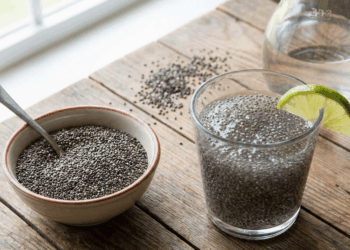
Mix your cold kefir with a source of prebiotic fiber, such as a tablespoon of ground flaxseed or chia seeds. This gives the probiotics the fuel they need to thrive and colonize your gut, maximizing their effectiveness.
2. The Digestion Shot
Forget your morning juice. Pour 4–6 ounces of plain kefir into a small glass and add a small squeeze of fresh lemon juice or a dash of ginger powder. This makes for a perfect pre-breakfast or mid-afternoon digestive shot.
3. The Savory Dip Substitute
Use plain kefir mixed with garlic powder and chives as a healthy, high-probiotic substitute for sour cream or mayonnaise in dips, on baked potatoes, or in salad dressings. Since these are served cold, the probiotics remain fully active.
Medical Disclaimer
This article is for informational purposes only. While kefir is safe for most people, those who are severely immunocompromised should consult their doctor before adding any fermented foods to their diet.