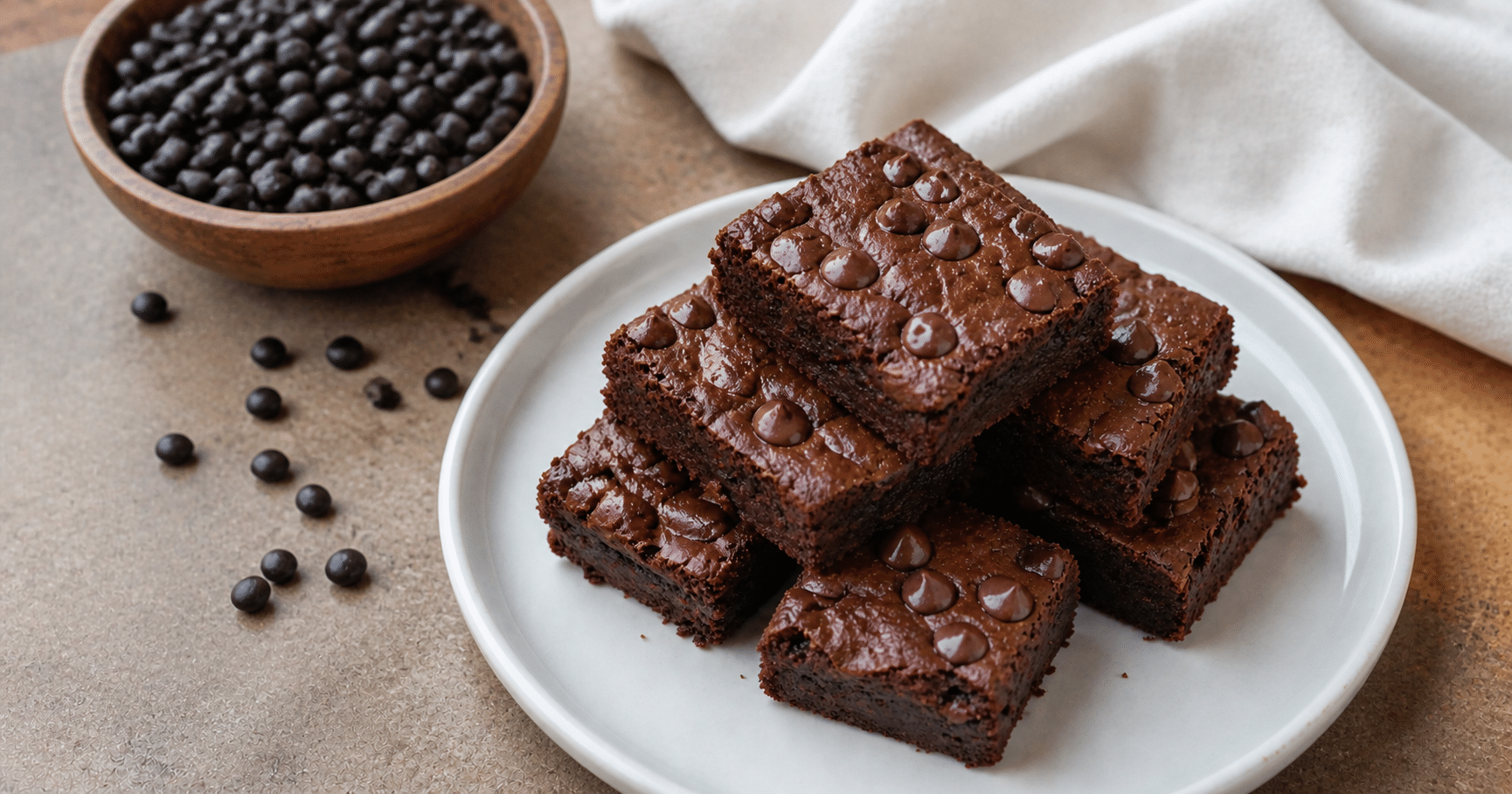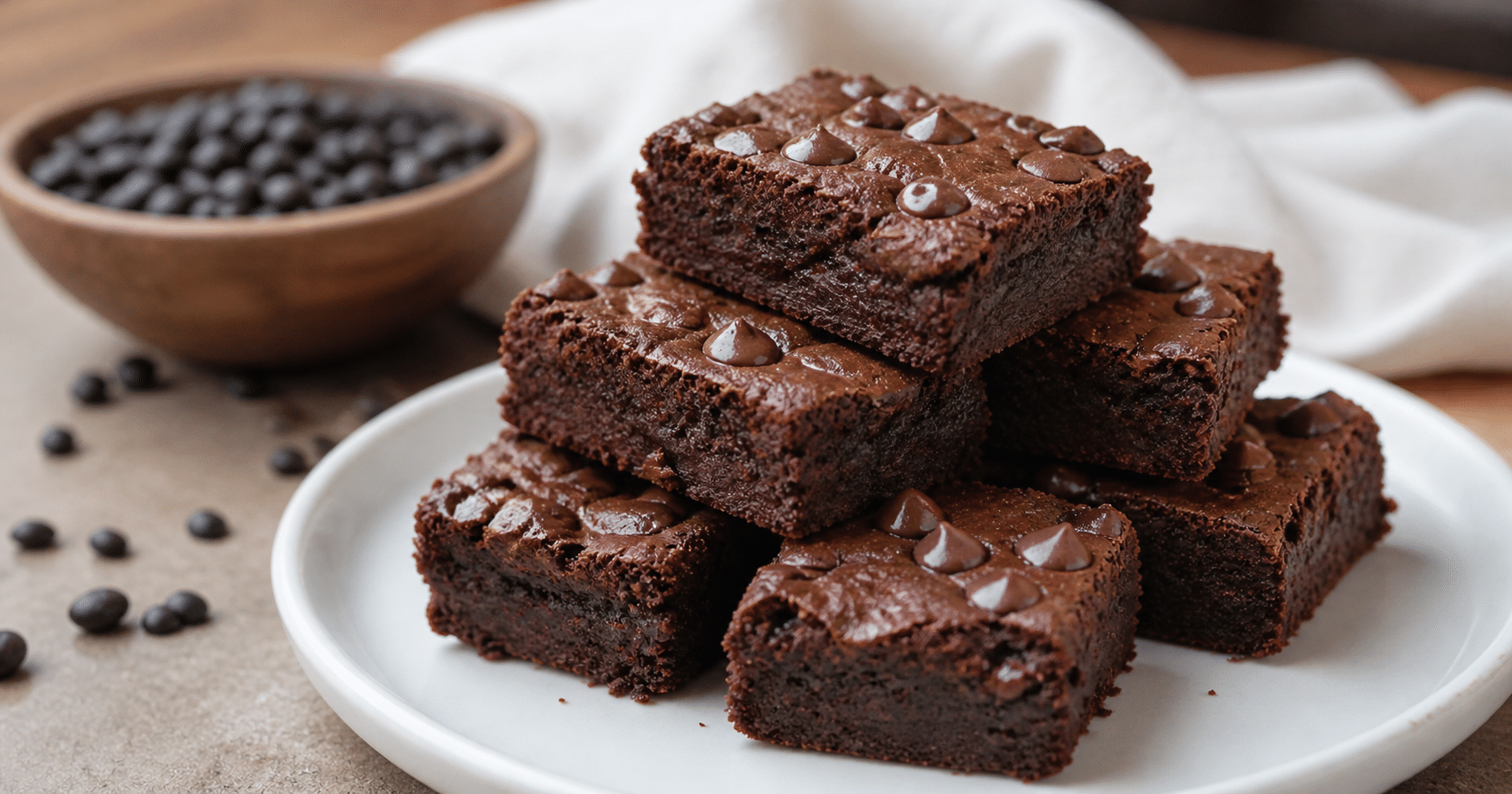
Black bean brownies sound like a kitchen trick—and, in a way, they are. A can of beans replaces the flour in a fudgy chocolate dessert, adding moisture and a little more fiber and protein than you’d get from many traditional recipes.
But these brownies are not simply classic brownies with a nutrition upgrade. They have a softer, denser texture, and the beans don’t erase the sugar, oil, or calories contributed by the other ingredients. How they compare depends on the recipes and serving sizes you put side by side.
The good news: when the beans are blended until completely smooth, the chocolate takes center stage. Here’s what changes, what doesn’t, and a straightforward recipe to try if you’re curious.
What Black Beans Change in a Brownie
In a classic brownie, flour helps create structure, while butter or oil contributes richness and moisture. In a black bean version, blended beans take the place of flour and provide a thick, moist base. Their starch helps the brownies hold together, while their fiber and plant protein change the nutritional profile.
That swap affects the bite. Black bean brownies tend to be fudgy and compact rather than chewy, cakey, or crisp at the edges. They can also seem softer straight from the oven; cooling gives them time to set. A gritty texture usually means the beans weren’t blended thoroughly enough.
Beans can contribute fiber and protein, but that doesn’t automatically make a brownie low in sugar or calories. Sugar, chocolate chips, and oil still count, and the nutrition comparison depends on the particular classic recipe and portion size. Think of this as a different kind of brownie, not a health food in disguise.
Three Differences You’ll Notice in the Kitchen
1. The texture is fudgy, not identical
Without flour, the crumb is usually denser and more moist. That can be a plus for people who like a rich, almost truffle-like brownie, but it may disappoint anyone expecting the familiar chew of a flour-based version. Let the pan cool completely before cutting for the neatest squares.
2. The nutrition changes, but the dessert stays dessert
Black beans bring fiber and plant-based protein that refined flour does not provide in the same way. Still, a brownie made with beans can contain plenty of added sugar and fat. If you’re watching carbohydrates, remember that beans contain carbohydrates too; “flourless” does not mean carb-free.
3. Blending matters more than you might expect
Rinsing the beans helps remove some of the canning liquid and its flavor. Then blend them with the eggs and oil until the mixture looks silky, with no visible bean pieces. A food processor or high-powered blender usually works better than hand-mashing.
How to Make Fudgy Black Bean Brownies
This small-batch recipe makes a dense, chocolate-forward brownie in an 8-inch square pan. It is flourless as written, though anyone avoiding gluten should check labels on the cocoa and chocolate chips and consider cross-contact.
Ingredients
-
- 1 can (15 ounces) black beans, drained and rinsed (about 1½ cups)
-
- 2 large eggs
-
- ¼ cup neutral oil, such as canola
-
- ⅔ cup granulated sugar
-
- ½ cup unsweetened cocoa powder
-
- 1 teaspoon vanilla extract
-
- ½ teaspoon baking powder
-
- ¼ teaspoon salt
-
- ½ cup semisweet chocolate chips, plus a few extra for the top if desired
Step-by-Step Instructions
-
- Heat the oven to 350°F. Line an 8-inch square baking pan with parchment, leaving a little overhang to lift out the brownies.
-
- In a food processor or blender, combine the drained beans, eggs, oil, sugar, and vanilla. Blend until very smooth, stopping to scrape down the sides as needed.
-
- Add the cocoa powder, baking powder, and salt. Pulse or blend just until combined. Stir in the chocolate chips.
-
- Spread the batter evenly in the prepared pan. Sprinkle a few extra chips on top if you like.
-
- Bake for about 22 to 28 minutes. The edges should look set, and a toothpick inserted near the center should come out with moist crumbs, not wet batter. Avoid waiting for it to come out completely clean, which can mean the brownies are overbaked.
-
- Cool completely in the pan before lifting out and cutting. The brownies will firm up as they cool.
Store leftovers in an airtight container in the refrigerator for up to four days. For a softer bite, let a piece sit at room temperature briefly before serving. You can also freeze individually wrapped squares and thaw them as needed.
How to Get the Best Flavor and Texture
Use unsweetened cocoa and ripe, good-quality chocolate chips so the chocolate flavor stays prominent. If you’re sensitive to the taste of beans, don’t skimp on blending or rinsing. A small pinch of instant espresso powder can deepen the chocolate flavor without making the brownies taste like coffee.
For a less sweet result, you can reduce the sugar slightly, but expect a change in both flavor and texture: sugar contributes more than sweetness in baked goods. Make a small adjustment the first time rather than cutting it drastically. And if the finished brownies seem unusually soft, give them more time to cool before deciding they need extra baking.
Helpful tip: If you’re comparing recipes, look at the whole batch and the serving size—not just whether one uses beans. A smaller portion of a classic brownie may have a different nutritional profile from a larger piece of a bean-based one.
The Bottom Line on Black Bean Brownies
Black bean brownies offer a useful way to add beans to a chocolate dessert, with a moist, dense texture and some added fiber and plant protein. They won’t taste or feel exactly like classic brownies, and the beans don’t cancel out the sugar or fat.
Choose them for the fudgy texture and the ingredient swap—not because the word “bean” turns dessert into a free pass. Blend well, cool completely, and let the first bite decide whether this is your kind of brownie.