Winter is when citrus earns its place on the counter: oranges are easy to peel, mandarins make a tidy snack, and grapefruit can brighten a breakfast that feels a little too heavy. All three offer juicy, tart-sweet flavor and useful nutrients—but they’re not interchangeable in the kitchen or in every person’s medication routine.
The simplest choice often comes down to what you want: a dependable all-purpose fruit, a small snack with minimal fuss, or a bittersweet addition to a meal. Their flavor, size, and amount of edible fiber differ, too.
One detail is especially important: grapefruit can interact with certain medicines, while oranges and mandarins generally do not have the same well-known effect. Here’s how to choose among the three, what they offer nutritionally, and an easy way to bring their flavors together.
Oranges, Grapefruit, and Mandarins: What’s the Difference?
These fruits all belong to the citrus family, so they share some nutritional qualities. They provide vitamin C, water, and plant compounds, while whole fruit also supplies fiber. Vitamin C supports normal immune function and helps the body absorb iron from plant foods, but eating citrus is not a guarantee against catching a cold.
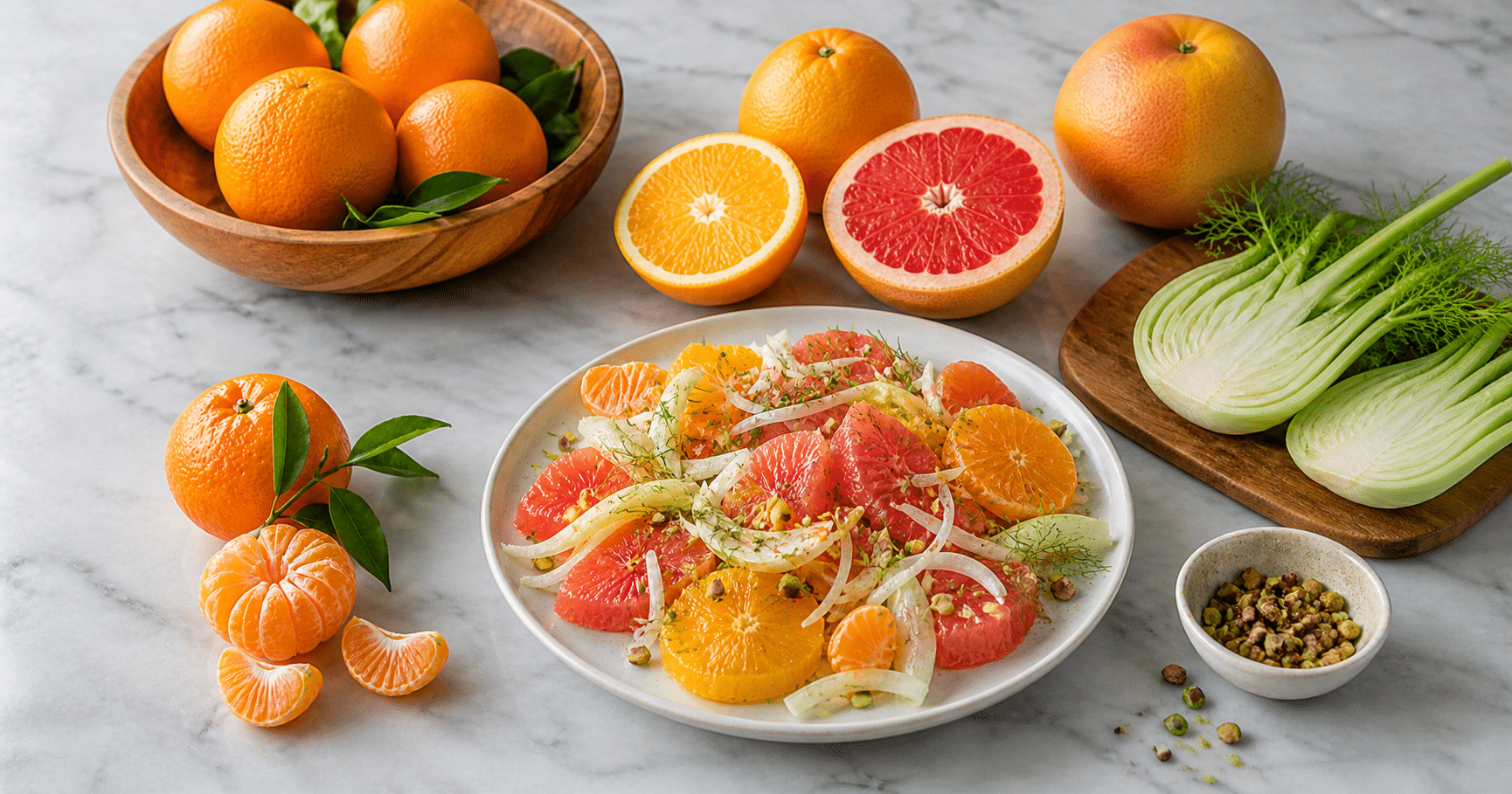
Oranges are the versatile middle ground. They’re usually sweet and juicy, with enough size to make a satisfying snack or contribute segments to a salad. Mandarins—including clementines and tangerines—are typically smaller, sweeter, and easier to peel. Grapefruit is larger, with a more assertive balance of sweetness, acidity, and bitterness.
Nutrition varies with fruit size and variety, but whole oranges and mandarins are convenient sources of fiber and vitamin C. Grapefruit contributes both as well. Juice contains much less fiber than the intact fruit, and it is easy to drink the juice of several fruits faster than you would eat them whole.
Which Citrus Fits Your Table Best?
1. Choose oranges for an all-purpose staple
Oranges work in lunchboxes, salads, sauces, and desserts. Their sweet-acid balance pairs well with greens, nuts, yogurt, and savory ingredients such as olives or roasted vegetables. For a snack, eating the fruit whole provides more fiber than drinking a glass of orange juice.
To get more juice from an orange, let it come to room temperature and roll it gently on the counter before cutting. If you’re zesting the peel, wash and dry the fruit first, then grate only the colored outer layer; the white pith underneath can taste bitter.
2. Pick mandarins when convenience matters
Mandarins are often the easiest citrus to eat on the go. Their loose skin makes them quick to peel, and their small segments are useful in salads or as a sweet-tart addition to oatmeal. They’re also handy when you want a modest snack rather than a large piece of fruit.
“Mandarin” refers to a broad group of citrus fruits, so sweetness, seediness, and peelability vary. Clementines and tangerines are familiar types, but labels and varieties can differ by store and season.
3. Use grapefruit for a sharper, more complex flavor
Grapefruit’s bittersweet taste can balance rich foods and add contrast to a fruit bowl. Choose fruit that feels heavy for its size and has smooth, firm skin. If its bitterness is stronger than you like, pair the segments with sweeter orange or mandarin rather than covering them with lots of sugar.
Grapefruit deserves an extra check if you take prescription medicine. Compounds in grapefruit can affect how the body processes some drugs, changing medication levels. The interaction depends on the specific medicine, so check the label and ask a pharmacist or prescriber; don’t stop a medicine or change its dose on your own. Some related citrus, including Seville oranges and pomelos, may also matter for certain drugs.
A Bright Winter Citrus and Fennel Salad
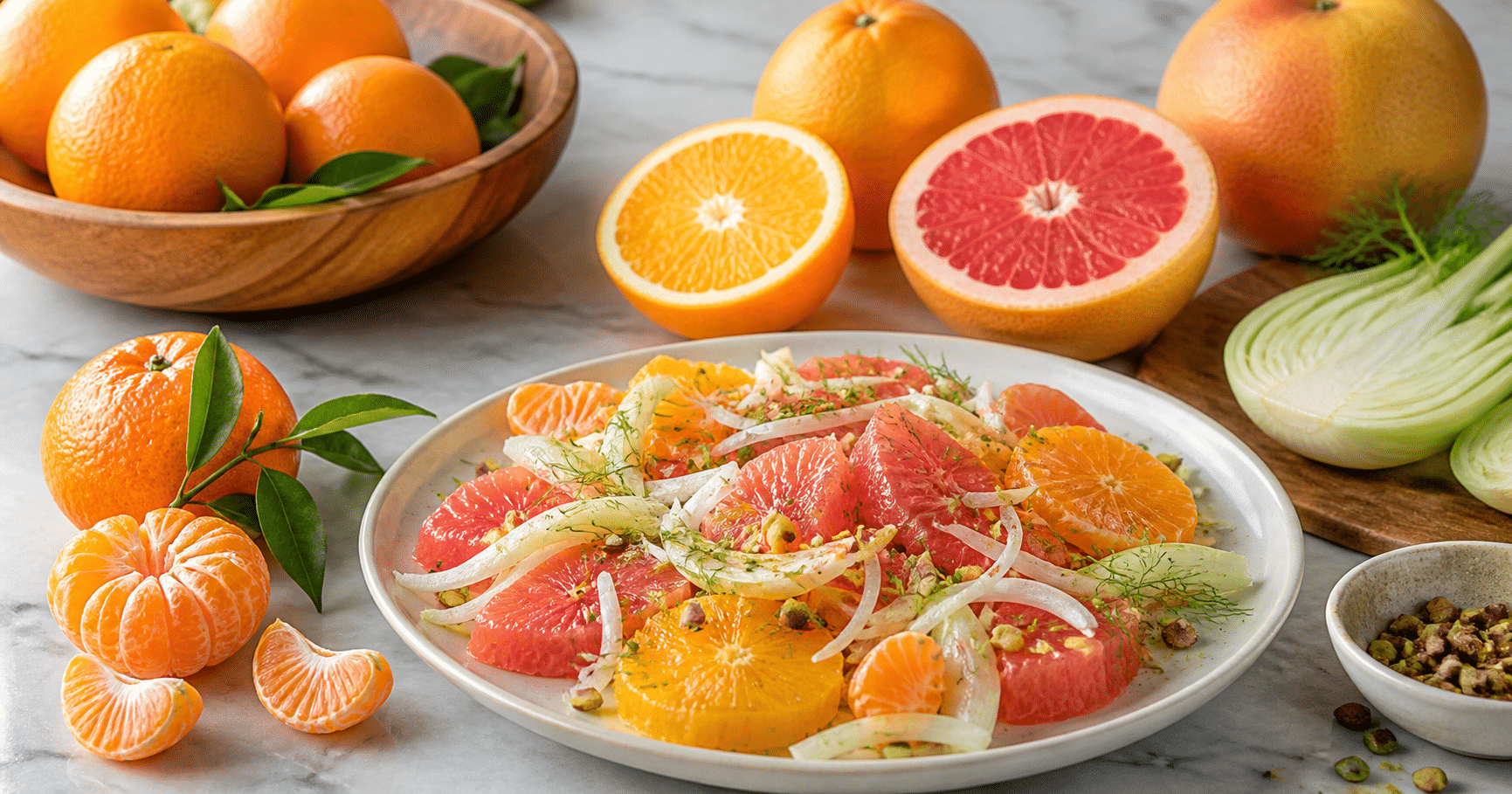
This simple salad balances sweet orange and mandarin with grapefruit’s gentle bitterness. It makes about four side servings and takes roughly 15 minutes to prepare.
Ingredients
-
- 1 orange
-
- 1 grapefruit
-
- 2 mandarins
-
- 1 small fennel bulb, very thinly sliced
-
- 2 tablespoons extra-virgin olive oil
-
- 1 tablespoon lemon juice or white wine vinegar
-
- Pinch of salt and a few grinds of black pepper
-
- 2 tablespoons chopped toasted pistachios or walnuts, optional
Step-by-Step Instructions
-
- Peel the orange, grapefruit, and mandarins. Remove as much of the white pith as you like, then separate the fruit into segments. For a neater presentation, cut away the peel and pith with a knife and slice the fruit into rounds over a bowl to catch the juice.
-
- Arrange the citrus and sliced fennel on a platter. Whisk the olive oil with the lemon juice or vinegar, salt, and pepper.
-
- Spoon the dressing over the salad. Add the chopped nuts, if using, and serve right away.
Leftovers can be covered and refrigerated for up to a day, though the fennel will soften and release liquid. For a more substantial plate, serve the salad alongside fish, beans, or roast chicken. If grapefruit may interact with one of your medicines, leave it out and use extra orange or mandarin instead.
Small Choices That Make Citrus More Enjoyable
For everyday eating, whole fruit is usually the more filling choice than juice because it retains the fruit’s structure and fiber. If you do drink juice, treat it as a beverage rather than assuming it is nutritionally identical to eating the whole fruit.
Store citrus in a cool, dry place for short-term use, or refrigerate it to help it keep longer. Wash the peel before zesting or cutting through it, since a knife can carry surface residue from the skin onto the fruit. And if grapefruit tastes too sharp, combine it with sweeter citrus or use a smaller amount in a mixed salad.
The Best Winter Citrus Is the One You’ll Enjoy
Oranges are the most adaptable, mandarins are the easiest to peel, and grapefruit brings the boldest bittersweet flavor. All can contribute vitamin C and fiber when eaten whole, but grapefruit has a medication-interaction issue that makes checking with a pharmacist especially worthwhile.
Keep a mix on hand if you can: one fruit for snacking, another for cooking, and grapefruit only when it fits your medication guidance. A little variety can make winter meals brighter without making citrus more complicated than it needs to be.