On a hectic day, a full plate can feel like one more task—and when your appetite is low, even deciding what to eat may take more energy than you have. The answer usually isn’t to force down a large meal. A few small, satisfying choices can be easier to manage and still provide useful nourishment.
That matters especially after 50, when changes in taste, dental comfort, digestion, medications, or daily routine can affect how appealing food feels. Busy schedules add another hurdle: it’s easy to realize late in the day that coffee and a handful of crackers were lunch.
One common mistake is choosing only “light” foods that don’t offer much staying power. A small snack can do more when it pairs a source of protein with calories from foods such as yogurt, eggs, nut butter, avocado, or olive oil.
Here are practical ways to eat when you have little appetite, plus a quick smoothie recipe that can serve as a mini-meal—not a substitute for finding out why your appetite has changed if the problem persists.
Think in Mini-Meals, Not Full Plates
When appetite is low, a large portion can seem overwhelming. Smaller meals and snacks spread across the day may feel more manageable. Rather than waiting until you’re very hungry, try having something modest at regular intervals that fit your routine.
Build each mini-meal around foods that offer more than one useful nutrient. Greek yogurt with fruit, for example, provides protein along with carbohydrates; an egg on toast combines protein and energy. If you tolerate them, adding a little olive oil, cheese, avocado, or nut butter can make a small portion more substantial without adding much volume.
Liquids can be easier to sip than solid food, but they don’t work for everyone: a drink taken just before a meal may leave some people feeling full. Try sipping between eating occasions if that happens. The aim is not a strict schedule or a perfect menu—it’s making nourishment convenient enough to happen.
Four Ways to Make Eating Easier on Busy, Low-Appetite Days
1. Choose a small portion with staying power
Start with a snack-sized serving rather than a full meal. Try cottage cheese and peaches, hummus with pita, or a hard-cooked egg with a piece of toast. If you finish and still feel comfortable, have more; if not, you’ve still eaten something more balanced than a few bites of plain snack food.
2. Add nourishment to foods you already like
It can be easier to enrich a familiar food than to introduce a new meal when nothing sounds appealing. Stir powdered milk into oatmeal or mashed potatoes, add shredded cheese to soup, or spread nut butter on toast. These additions contribute energy and, depending on the food, protein—without requiring a larger serving.
3. Keep a short list of no-cook options
Decision fatigue is real, particularly when the day is already crowded. Keep a few convenient choices within reach, such as shelf-stable milk, nuts, canned tuna or salmon, crackers, fruit cups, and individual yogurt containers. Choose options that fit your dietary needs and any advice from your health care team.
4. Notice whether drinks are crowding out food
Staying hydrated matters, but large drinks right before eating can blunt appetite for some people. If that sounds familiar, have most of your fluids between mini-meals instead of immediately beforehand. If swallowing is difficult or certain textures cause problems, don’t try to solve it with a smoothie alone; ask a clinician what’s appropriate.
A Quick Yogurt-and-Banana Smoothie for a Mini-Meal
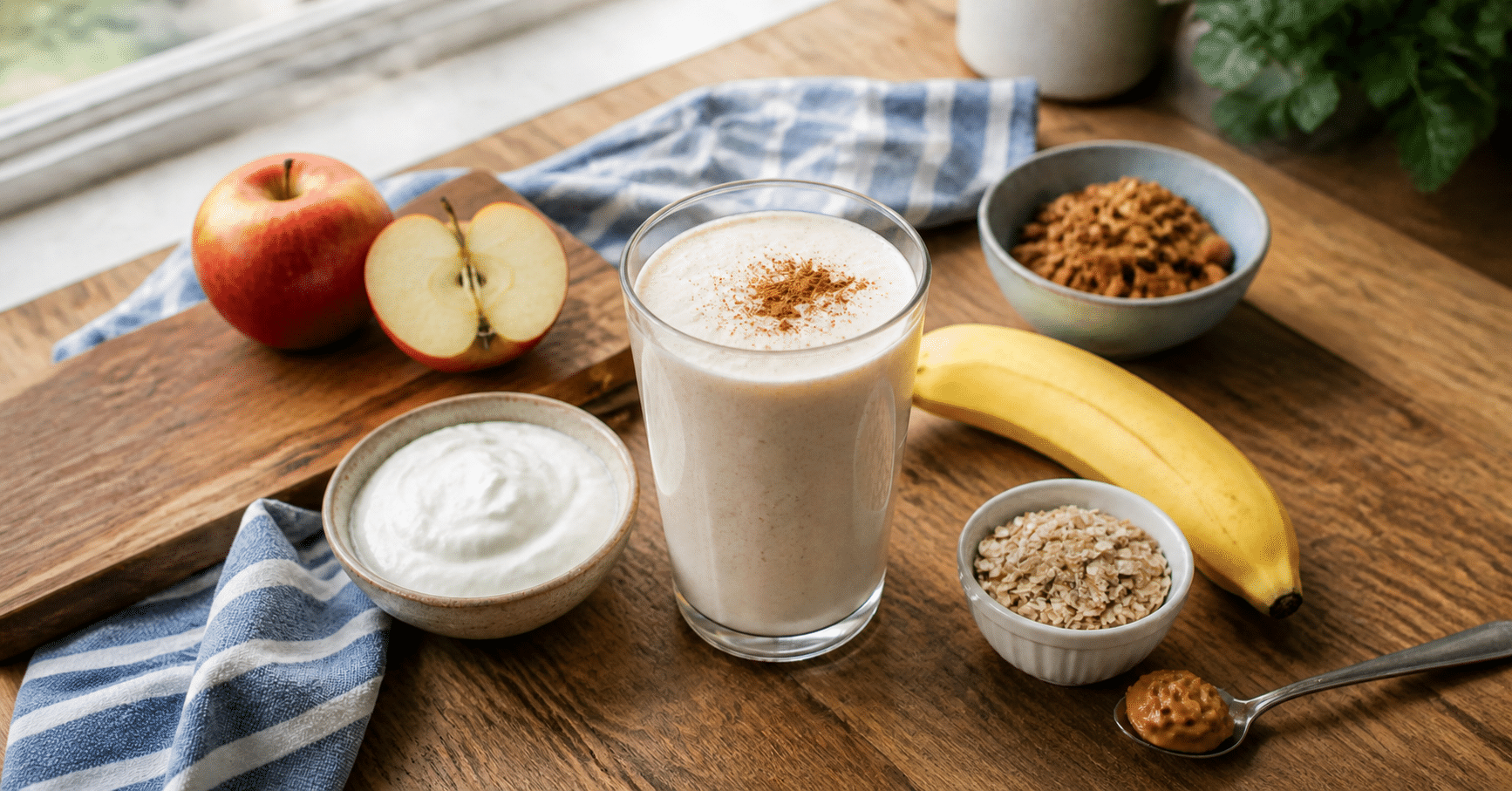
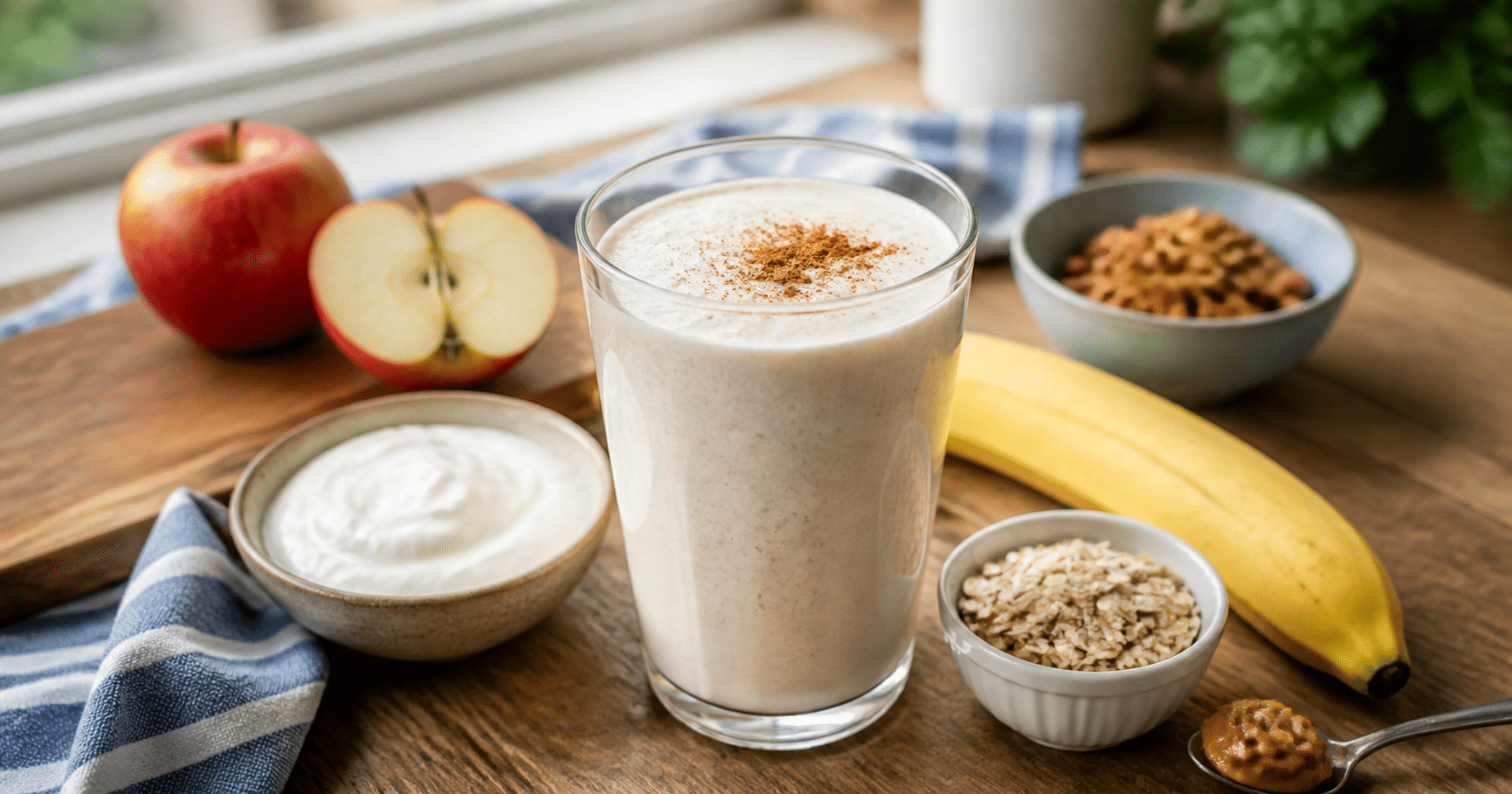
This mild, creamy smoothie combines protein from yogurt with carbohydrates from banana and oats. It takes about five minutes to prepare. It can be useful when sipping feels easier than chewing, though it may not suit people who get full quickly from liquids.
Ingredients
-
- ¾ cup plain Greek yogurt
-
- ½ ripe banana
-
- ¼ cup milk or an unsweetened fortified soy beverage
-
- 2 tablespoons rolled oats
-
- 1 tablespoon smooth peanut butter or almond butter
-
- A pinch of cinnamon, optional
Step-by-Step Instructions
-
- Add the yogurt, banana, milk, oats, nut butter, and cinnamon, if using, to a blender.
-
- Blend until smooth, about 30 to 60 seconds. Add another splash of milk if you prefer a thinner drink.
-
- Pour into a small glass and sip at a comfortable pace. If a full serving feels like too much, start with half and save the rest in a covered container in the refrigerator. Shake or stir before drinking.
For a less sweet option, leave out the banana and blend the yogurt and milk with a few spoonfuls of cooked, cooled oatmeal and a pinch of cinnamon. If you have a milk allergy, use a suitable alternative; plant beverages vary in protein, so check the label rather than assuming they’re nutritionally identical.
When a Smaller Appetite Deserves Attention
A busy day or temporary stress can make food less appealing, but a lasting appetite change can have many causes, including illness, medication effects, dental discomfort, or mood changes. If you’re regularly eating much less, losing weight without trying, or having trouble chewing or swallowing, contact your health care professional. Bring a list of what you’re eating and any recent medication changes; that can help guide the conversation.
Make the Next Bite Easy
On a low-appetite day, aim for a small, convenient choice that combines a few useful foods—not a perfect meal. Keep two or three easy options stocked, and make the first portion small enough to feel doable.
A modest snack eaten now is often more helpful than waiting for the appetite or schedule to become ideal.