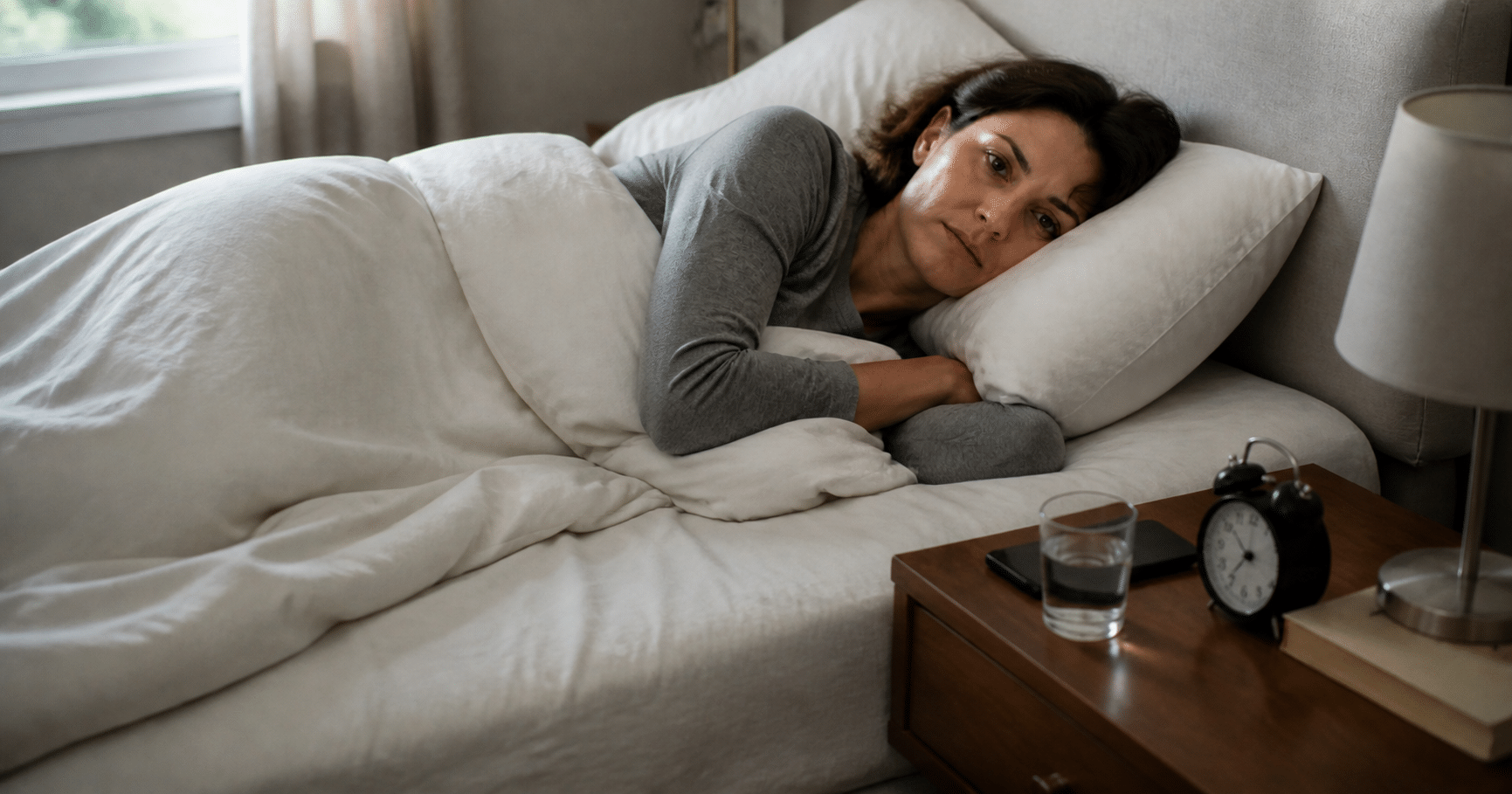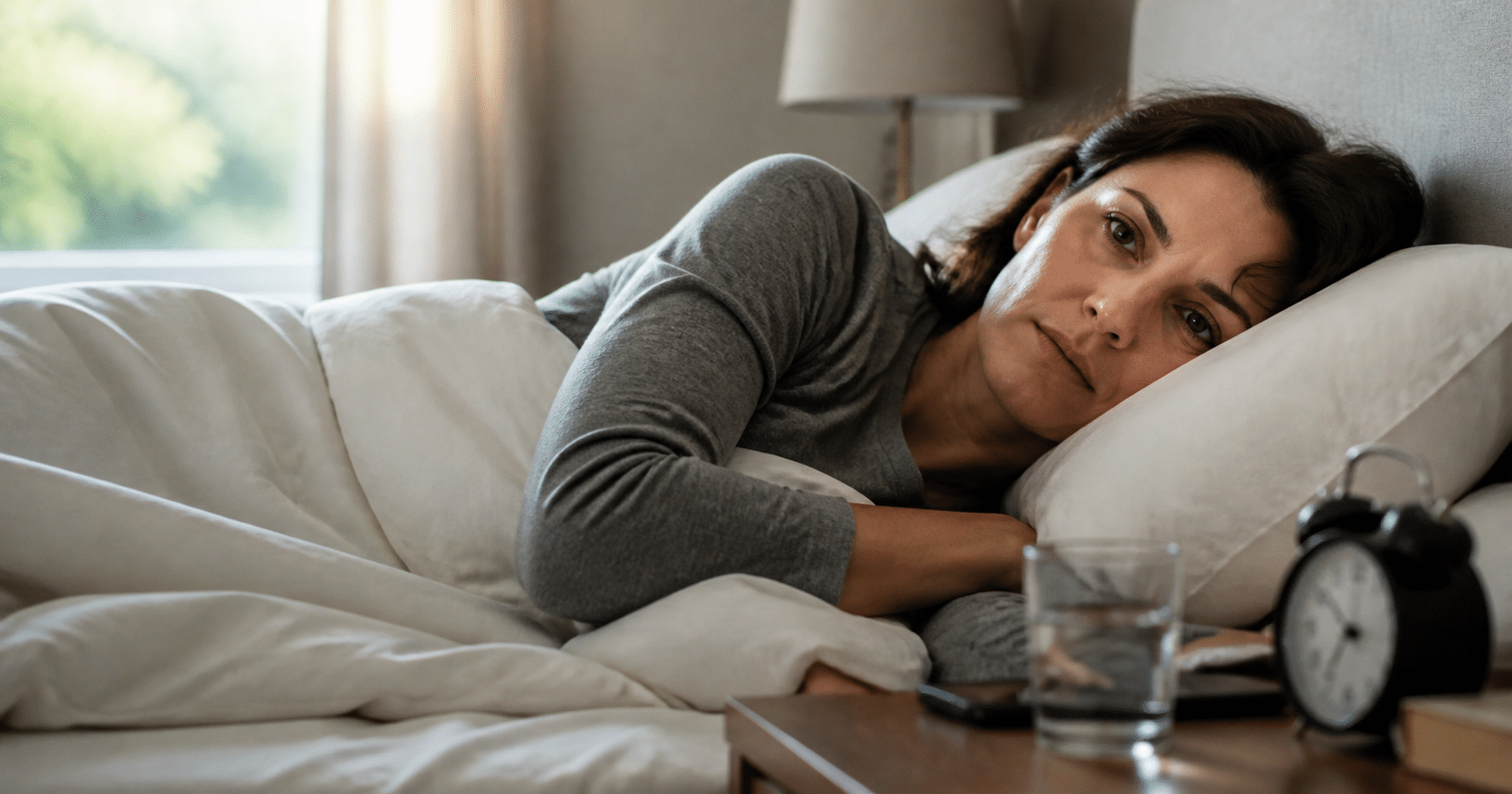
You can feel sleepy after a short night and still sleep poorly the next time you get into bed. You can also spend what seems like a full night in bed and wake up unrefreshed. Those experiences may sound contradictory, but they point to two different things: the urge to sleep and the quality of the sleep you get.
The distinction matters because feeling drowsy is not proof that your sleep is restorative. And feeling alert at bedtime does not necessarily mean your sleep is healthy. Age, daily routines, medications, pain, and conditions such as sleep apnea can all influence how sleepy you feel and how well you sleep.
Understanding the difference can help you choose more useful next steps than simply trying harder to feel tired. Here’s what sleepiness and sleep quality mean, what can affect each one, and how to spot patterns worth discussing with a health professional.
Sleepiness Is the Urge to Sleep; Sleep Quality Is What Happens After
Sleepiness is the body’s pressure to fall asleep. It generally builds the longer you have been awake, while your internal body clock also affects when you naturally feel alert or ready for bed. A late afternoon slump, for example, may reflect the timing of your circadian rhythm as well as how much sleep you got the night before.
Sleep quality describes how well sleep meets your needs. It includes whether you fall asleep without a long struggle, stay asleep reasonably well, and wake feeling restored. Time in bed is only one part of the picture: a person can spend eight hours in bed but have sleep repeatedly interrupted by breathing problems, discomfort, noise, or other causes.
The two often overlap, but they are not interchangeable. A person who has slept too little may feel very sleepy, while someone whose sleep is frequently disrupted may feel tired or foggy without easily dozing off. Neither sensation alone can identify the cause.
Four Clues That Help Separate Sleepiness From Poor Sleep
1. Notice the difference between dozing and feeling drained
Sleepiness often shows up as heavy eyelids, nodding off while reading, or struggling to stay awake during a quiet activity. Fatigue may feel more like low energy, reduced motivation, or mental weariness. People can experience both, but feeling exhausted does not always mean the body is ready to fall asleep.
Consider when the feeling appears. Drowsiness during the day can follow inadequate sleep, an irregular schedule, or a medication effect, among other possibilities. Persistent fatigue has a wider range of potential causes, so it is worth mentioning to a clinician rather than assuming it is just a sleep problem.
2. Look beyond how long you were in bed
A long night in bed does not guarantee uninterrupted sleep. Brief awakenings are common, and some are quickly forgotten. More frequent or prolonged awakenings can leave you feeling unrefreshed even when your bedtime and wake time add up to what seems like enough hours.
Pay attention to patterns: repeated bathroom trips, waking with pain, a noisy bedroom, or a partner noticing loud snoring or pauses in breathing. These details may offer more useful clues than the number of hours alone.
3. Track the rhythm, not just one rough night
A single night is a poor measure of your usual sleep. For a week or two, jot down when you go to bed, roughly when you fall asleep, awakenings you remember, your final wake time, naps, caffeine, alcohol, and how alert you feel during the day. A brief record can reveal whether the problem follows a schedule or seems more persistent.
Keep the notes simple. The goal is to identify a pattern, not to monitor every minute or judge yourself for a bad night.
4. Remember that sleep can change with age—but persistent problems still matter
Many adults notice changes in sleep timing or more wakefulness during the night as they get older. That does not mean constant poor sleep or disruptive daytime sleepiness should be dismissed as inevitable. Health conditions, medications, mood, and breathing-related sleep disorders can also affect rest.
If you regularly struggle to stay awake during the day, or sleep problems are affecting daily life, discuss them with a health professional. Loud habitual snoring, witnessed pauses in breathing, or waking up gasping are especially useful details to report.
Practical Ways to Support More Restorative Sleep
Start with a steady wake-up time. A reasonably consistent schedule helps anchor the body clock, even after a restless night. Get daylight during the day, and make the bedroom dark, quiet, and comfortable at night. If you nap, notice whether long or late naps make it harder to fall asleep at your usual bedtime.
Caffeine can linger for hours, so an afternoon coffee may affect some people well into the evening. Alcohol may make a person feel drowsy at first, but it can disrupt sleep later in the night. Rather than relying on either substance to manage sleep, observe how timing and amount affect your own nights.
If you are lying awake and becoming frustrated, try a quiet, low-light activity until you feel sleepy, then return to bed. Avoid turning the clock into a test of whether you are sleeping “well enough.” For ongoing insomnia, cognitive behavioral therapy for insomnia (CBT-I) is a structured, evidence-based treatment to ask a clinician about; it is different from simply practicing general relaxation.
A useful question is not only “How many hours did I sleep?” but also “How often was my sleep interrupted, and how do I function during the day?”
When Sleepiness Deserves a Closer Look
Occasional drowsiness after a late night is expected. But regularly falling asleep unintentionally, struggling to stay awake while driving, or feeling persistently unrefreshed deserves attention. Do not drive when you are too sleepy to do so safely.
Bring your sleep notes and a list of medications and supplements to an appointment. Some medicines can affect alertness or sleep, but do not stop a prescribed medication on your own. A clinician can help assess possible causes and decide whether further evaluation is appropriate.
The Takeaway: Sleepy and Well-Rested Are Not the Same
Sleepiness is the urge to sleep; sleep quality is how continuous and restorative sleep feels. One can offer clues about the other, but neither tells the whole story. Track your schedule and daytime alertness, make practical changes where they help, and seek advice when sleep problems persist.
The most useful measure of a good night is not simply the time spent in bed—it is whether your sleep supports the day that follows.