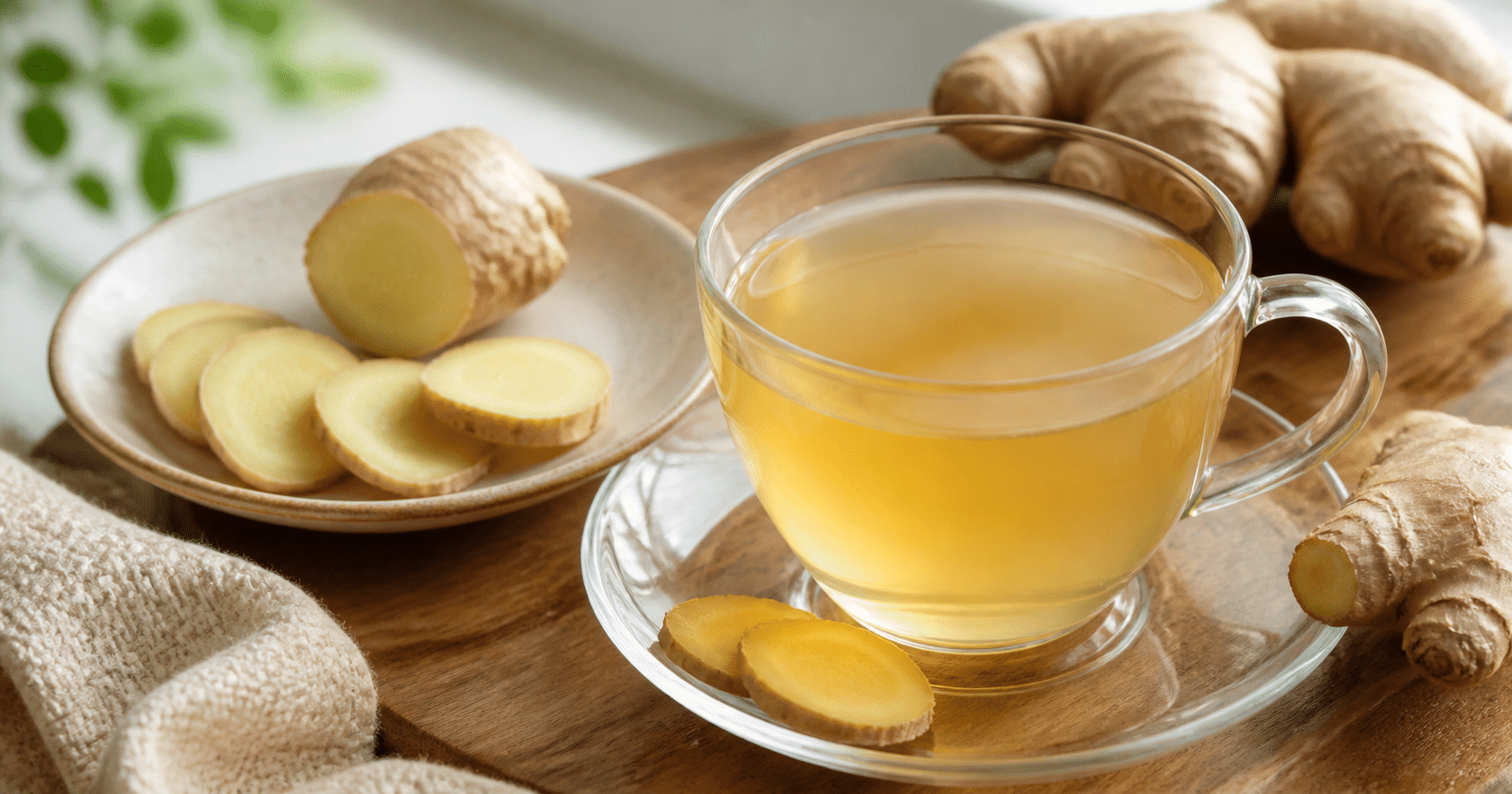
Ginger tea can be warming and fragrant without making your mouth feel as if it is on fire. The difference often comes down to a few easy-to-control choices: how much ginger you use, how finely you cut it, and how long it stays in the water.
A common mistake is to boil a large handful of chopped ginger for a long time, then wonder why the tea tastes sharp, hot, or almost medicinal. That may suit some people, but it is not the only way to brew it.
A gentler cup starts with modest amounts and a short steep. You can taste it as it brews, stop when it is pleasant, and adjust the next batch to your liking.
Here’s a simple method for making mild ginger tea, plus practical ways to rescue a cup that turns out too strong.
Why Ginger Tea Gets So Pungent
Fresh ginger contains aromatic compounds, including gingerols, that give it its distinctive warm, peppery bite. The amount of ginger in the pot matters, but so does how much of its surface is exposed to the water. Finely grated or minced ginger releases flavor quickly; larger slices tend to brew more gently.
Time and heat also shape the taste. A brief steep in hot water usually makes a milder drink than simmering ginger for an extended period. The strength can vary from one piece of ginger to another, so a recipe is best treated as a starting point—not a guarantee of identical flavor every time.
There is no need to make ginger tea intensely spicy for it to count as ginger tea. Its flavor is a matter of preference, and a stronger-tasting cup does not necessarily mean greater health benefits. Research on ginger and health often examines specific preparations or amounts, which cannot be assumed to match a homemade tea.
Three Simple Ways to Keep the Flavor Gentle
1. Start with less ginger than you think you need
For two cups of water, begin with four to six thin slices from a piece of fresh ginger about an inch long. If you like a stronger cup, add more next time. Starting small is easier than trying to tame an overly spicy brew.
2. Slice, don’t grate
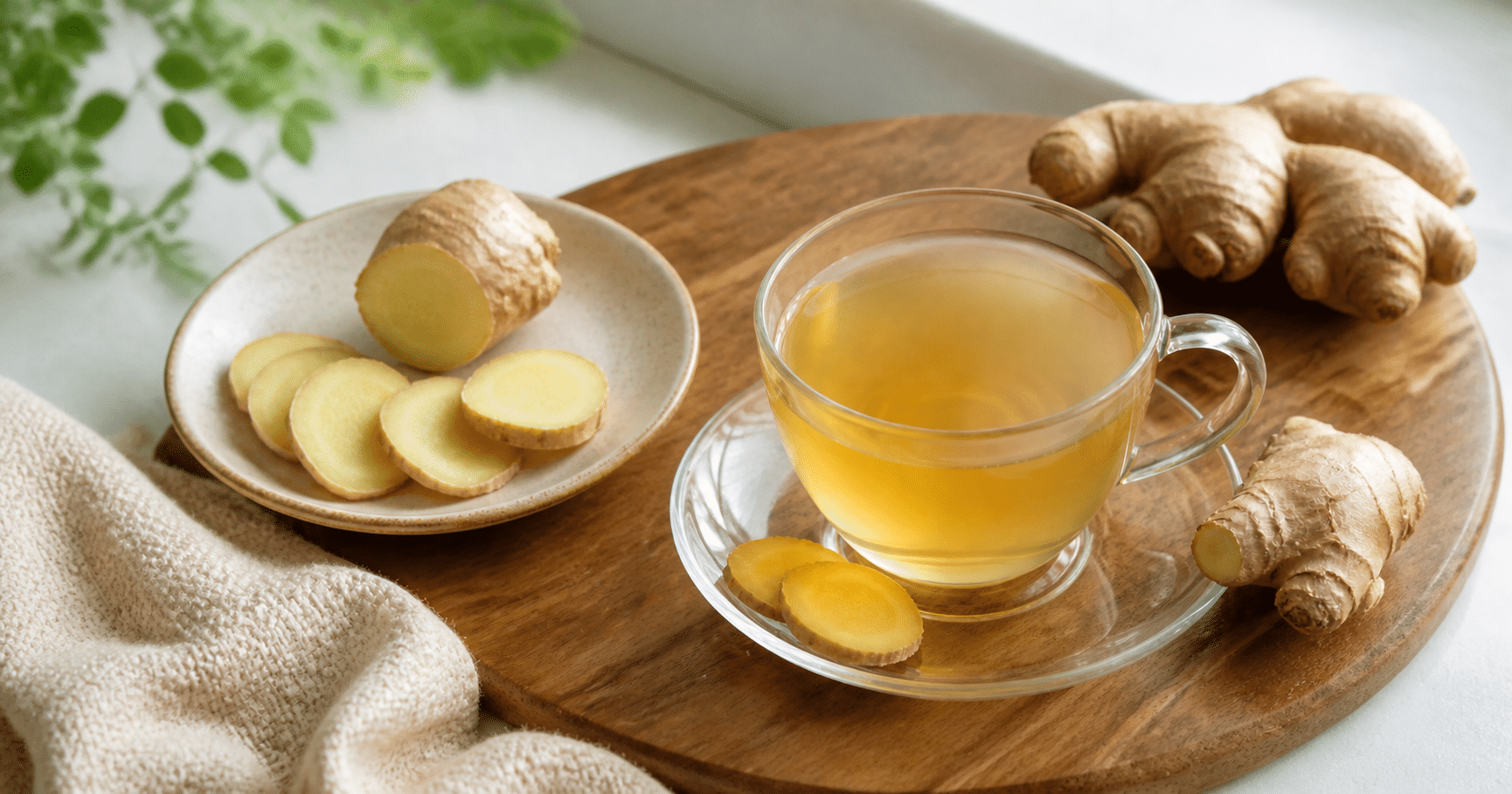
Thin slices expose less surface area than grated ginger, so the flavor develops more gradually. There’s no need to peel ginger if it is clean and you are comfortable using the skin; rinse it well and trim away any dry or damaged spots.
3. Use a short steep and taste as you go
Pour hot water over the ginger and let it steep for about five minutes. Taste it, then steep another minute or two if you want more flavor. Covering the cup or pot while it steeps helps keep the drink warm and holds in some of its aroma.
How to Make Mild Fresh Ginger Tea
This method produces a lightly warming tea that is easy to customize. It makes about two cups, and the ginger can be strained out once the flavor is where you want it.
Ingredients
- 2 cups water
- 4 to 6 thin slices of fresh ginger, cut from a piece about 1 inch long
- Optional: lemon, honey, or a splash of milk
Step-by-Step Instructions
- Rinse the ginger and slice it thinly. For a milder brew, avoid grating or crushing it.
- Heat the water until it is steaming and just beginning to simmer. Pour it over the ginger in a heat-safe pot or teapot.
- Cover and steep for 5 minutes. Taste a small sip; steep for 1 to 2 minutes longer if you want a fuller flavor.
- Strain the tea into cups. Add lemon or a little honey if you like, tasting before adding much—both can change the drink’s balance.
For a single cup, use 1 cup of water and two or three thin slices. If you make extra, cool it promptly, refrigerate it in a covered container, and use it within a few days. Reheat gently rather than boiling it for a long time, which can make the flavor more intense.
If Your Cup Is Too Strong, Adjust It This Way
The quickest fix is to strain out the ginger and add hot water a little at a time. A squeeze of lemon or a small spoonful of honey can soften the sharp edge, though neither removes ginger’s pungency. If the drink is still too spicy, dilute it further or pour it over ice.
Next time, reduce the number of slices or shorten the steep. Keep the ginger in larger pieces, too. If you enjoy a noticeable ginger flavor but not the heat, a little lemon or honey can make the cup taste rounder without requiring a longer brew.
Easy adjustment: Brew a concentrated cup only if you want one. For a gentler drink, add more hot water after steeping rather than leaving the ginger in the pot while you sip.
Ginger can cause heartburn or stomach discomfort for some people, especially in larger amounts. If you take medication that affects bleeding or are considering concentrated ginger products, ask a health professional about your situation; a strong homemade tea is not a substitute for medical advice.
A Softer Cup Starts with a Short Steep
For mild ginger tea, use a few thin slices, pour over hot—not vigorously boiling—water, and taste after five minutes. You can always add more time or ginger, but it is harder to take the intensity back out.
The best cup is the one you enjoy drinking: fragrant and warming, with just enough ginger to notice.