A potato fresh from the pot and one that has been chilled overnight may look much the same, but their starch is not quite the same. Cooking and cooling can change a portion of potato starch into a form that is harder for the small intestine to digest.
That change has made cooled potatoes a popular topic among people looking for ways to support digestion or soften a meal’s effect on blood sugar. The real answer is useful—but less dramatic than many online claims suggest.
Here’s what happens when potatoes cool, how much the change may matter, and a straightforward way to prepare them. You’ll also see why a chilled potato is still a carbohydrate-rich food, not a nutritional loophole.
What Happens to Potato Starch When It Cools?
Raw potato starch is packed into tiny structures called granules. When potatoes are boiled or baked, heat and moisture cause those granules to swell and soften. This process, called gelatinization, makes much of the starch easier for digestive enzymes to break down.
As cooked potatoes cool, some starch molecules—especially amylose—can line up and form tighter structures. This process is known as retrogradation. The resulting starch is called resistant starch because it resists digestion in the small intestine and travels to the large intestine, where gut microbes can ferment it.
Cooling can therefore increase the amount of resistant starch in potatoes. But it doesn’t transform all their starch, and the amount formed varies with the potato, cooking method, cooling time, and how the potatoes are served. There’s no single amount that applies to every batch.
Resistant starch is often discussed as a type of dietary fiber because of how it behaves during digestion. Still, the practical effects of eating cooled potatoes vary from person to person. They remain a source of digestible carbohydrate, and cooling does not remove their calories or make them a treatment for a health condition.
Three Useful Things to Know About Cooled Potatoes
1. Cooling changes some starch, not the whole potato
Refrigerating cooked potatoes gives starch molecules time to reorganize. That can raise the resistant-starch content compared with eating the potatoes freshly cooked, but the increase is only part of the picture: potatoes still contain starch that the body can digest.
The variety and preparation matter, too. A boiled potato, a baked potato, and a potato that has been mashed or processed may not behave identically. The amount of water, cooking conditions, and surface area can all affect the final texture and starch structure.
2. Blood-sugar effects aren’t guaranteed
Because resistant starch is digested differently, cooling may affect how a potato meal influences blood glucose. But it does not guarantee a smaller glucose rise for everyone. Portion size, the rest of the meal, cooking method, and individual responses all matter.
If you monitor blood glucose, your own readings can be more informative than a general claim about “low-glycemic” cooled potatoes. Pairing a sensible portion with protein, vegetables, or other fiber-rich foods can also make a meal more balanced.
3. Reheating doesn’t necessarily erase the change
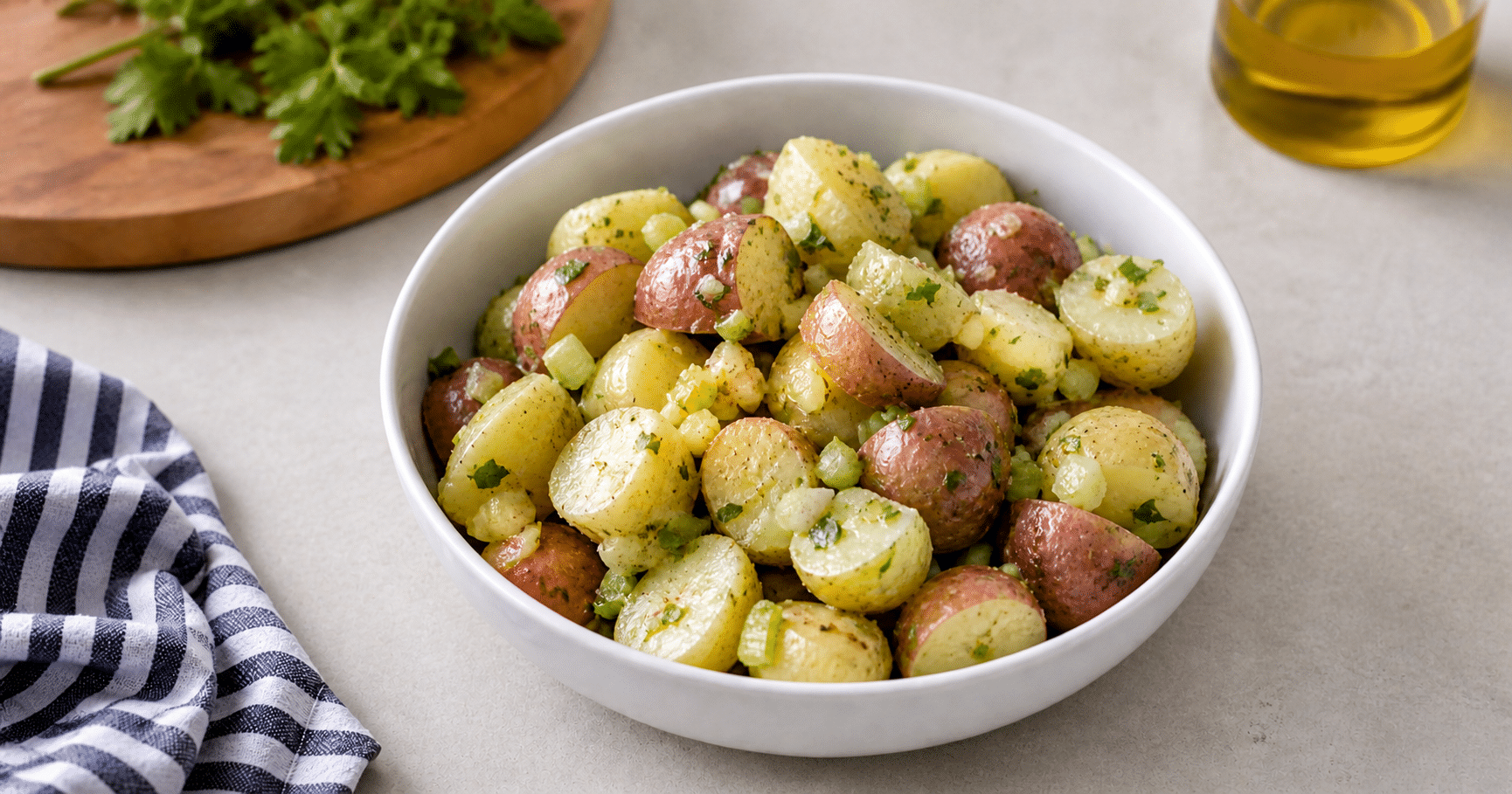
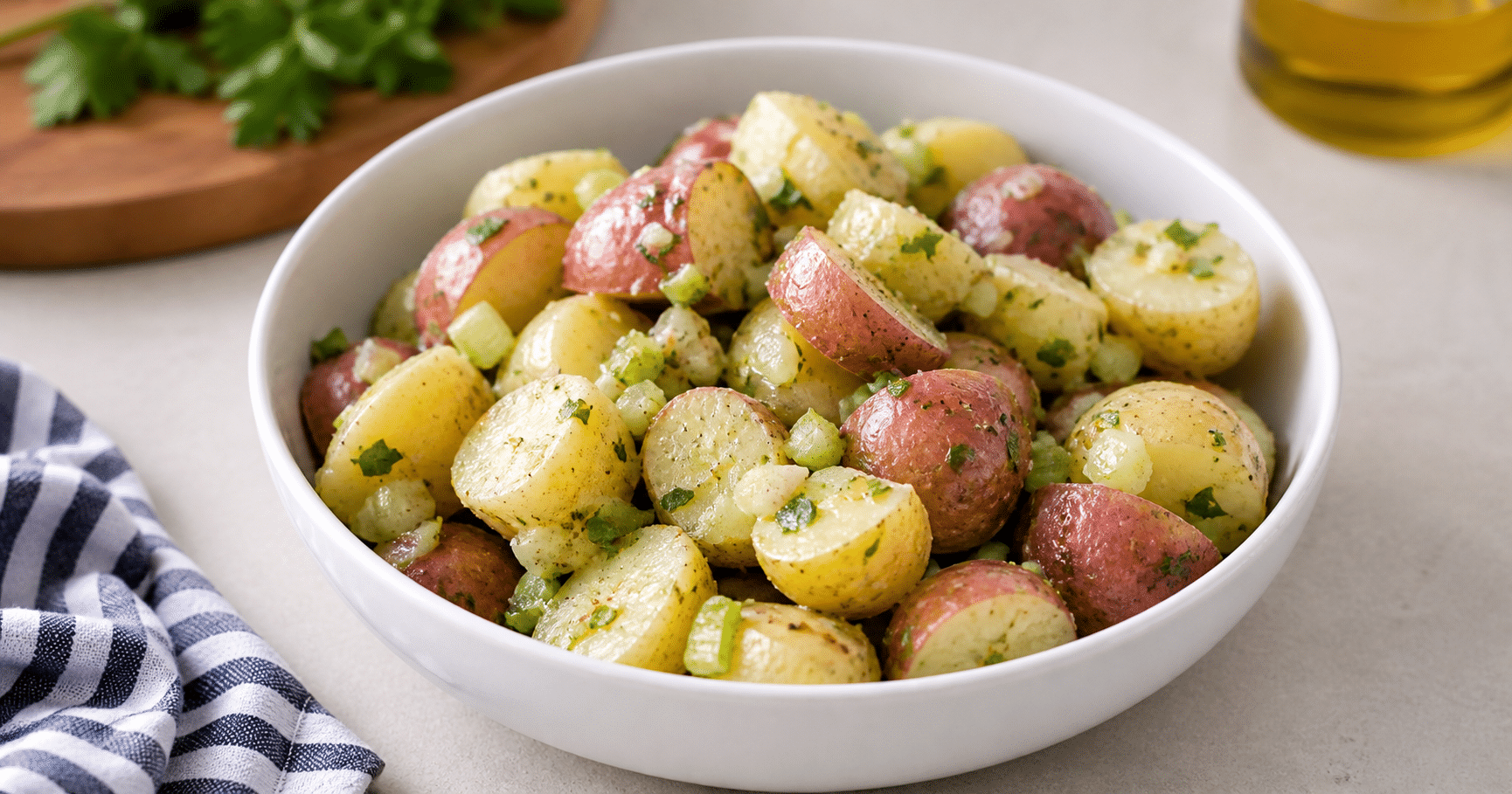
Cold potato salad is one easy way to eat cooked-and-cooled potatoes, but chilled potatoes can also be warmed again. Some resistant starch may remain after reheating, although the final amount depends on how the potatoes were prepared and heated.
Choose the temperature and texture you enjoy. There’s no need to eat potatoes cold if you prefer them warm, and reheating doesn’t make them a special “free” food.
A Simple Cook-Cool Potato Salad
This method makes a basic potato salad with time for the cooked potatoes to cool in the refrigerator. The chilling is part of the preparation, not a way to guarantee a particular nutritional effect.
Ingredients
-
- 1½ pounds small red or yellow potatoes
-
- 2 tablespoons olive oil
-
- 1 tablespoon apple cider vinegar or lemon juice
-
- 1 teaspoon Dijon mustard
-
- 2 tablespoons chopped parsley or dill
-
- Salt and black pepper, to taste
-
- Optional: 2 chopped celery stalks or 2 sliced scallions
Step-by-Step Instructions
-
- Scrub the potatoes and cut larger ones into roughly equal pieces. Put them in a saucepan and cover with cold water.
-
- Bring the water to a boil, then simmer until the potatoes are tender when pierced with a fork, about 12 to 18 minutes depending on their size.
-
- Drain the potatoes. When they’re cool enough to handle, cut them into bite-size pieces. For a less oily finish, let them cool briefly before adding the dressing.
-
- Whisk together the olive oil, vinegar or lemon juice, mustard, herbs, salt, and pepper. Toss with the potatoes and add celery or scallions, if using.
-
- Transfer the salad to a shallow covered container and refrigerate promptly. Serve chilled, or warm a portion later if you prefer.
For food safety, refrigerate cooked potatoes within two hours of cooking—or within one hour if the temperature is above 90°F. Keep the refrigerator at 40°F or below and use refrigerated leftovers within three to four days. Reheat leftovers to 165°F if serving them hot.
Make the Change Part of a Balanced Meal
Cooling is a small preparation choice, not a substitute for portion awareness or an overall eating pattern. Try cooled potatoes in a salad with leafy greens, beans, eggs, fish, or chicken. A modest serving alongside vegetables and protein may make a more satisfying meal than a large plate of potatoes on its own.
Some people notice gas or bloating when they eat more resistant starch, since gut bacteria ferment it. If that happens, start with a smaller serving rather than forcing a change that doesn’t feel comfortable.
The Bottom Line on Cooking and Cooling Potatoes
Cooking makes potato starch easier to digest; cooling allows some of it to reorganize into resistant starch. The change is real, but it doesn’t remove most of the potato’s carbohydrate or guarantee a particular blood-sugar response.
Chill potatoes because you enjoy them in a salad or like the texture—not because you expect a dramatic health effect. A good potato meal is still about the whole plate.