A bowl of oatmeal is warm, filling, and easy to customize—but plain oats are not especially high in protein. A half-cup serving of dry rolled oats provides about 5 grams, so a breakfast that looks hearty may still leave you with a modest amount of protein.
The good news is that you don’t need a special supplement or a complicated recipe to change that. Milk, yogurt, eggs, nuts, seeds, and even a spoonful of peanut butter can all help, though they contribute different amounts.
The best choice depends on what you enjoy, how much protein you want from breakfast, and whether you prefer creamy, nutty, or savory oatmeal. Here are practical ways to boost a bowl without losing the simple appeal of oats.
Why Adding Protein Makes Oatmeal More Filling
Oats provide carbohydrates, fiber, and a little protein. Adding a protein-rich ingredient makes the meal more substantial and can help you work toward your daily protein needs. That can be useful at any age, including for adults over 50 who may be paying closer attention to maintaining strength and eating well throughout the day.
There’s no single protein target that suits everyone. Needs vary with body size, activity, health, and medical guidance, so think of oatmeal as one opportunity to include protein—not a meal that must meet a particular number.
Also, you don’t need to combine specific foods in one bowl to make their proteins “complete.” A varied diet over the course of the day can provide the essential amino acids your body needs. The practical priority is choosing additions you like and using enough to make a meaningful difference.
Six Easy Ways to Add Protein to Oatmeal
1. Cook the oats with milk or soy milk
Replacing water with dairy milk adds about 8 grams of protein per cup. Fortified soy milk often provides a similar amount, though labels vary. This is one of the easiest upgrades: use the same amount of milk you would use for water, and cook the oats according to the package directions.
Other plant milks, such as almond or oat milk, can add creaminess but are often much lower in protein. Check the nutrition label if protein is your main reason for choosing a milk alternative.
2. Stir in Greek yogurt or cottage cheese
Plain Greek yogurt can add roughly 10 grams of protein per half cup, depending on the brand. Stir it into oatmeal after cooking so it stays cool and creamy rather than getting grainy. Cottage cheese is another option, with about 12 grams per half cup in many varieties; its mild flavor works with fruit or savory toppings.
3. Add an egg while the oats cook
An egg contributes about 6 grams of protein. For a creamy, custard-like texture, beat one egg in a small bowl, then slowly whisk in a spoonful of hot oatmeal. Stir that mixture back into the pot and cook over low heat, stirring constantly, until the oats are thick and the egg is fully cooked.
Don’t simply crack an egg into a finished bowl and leave it uncooked. If you prefer a savory breakfast, top the cooked oats with a fully cooked egg instead.
4. Use peanut butter, nuts, or seeds
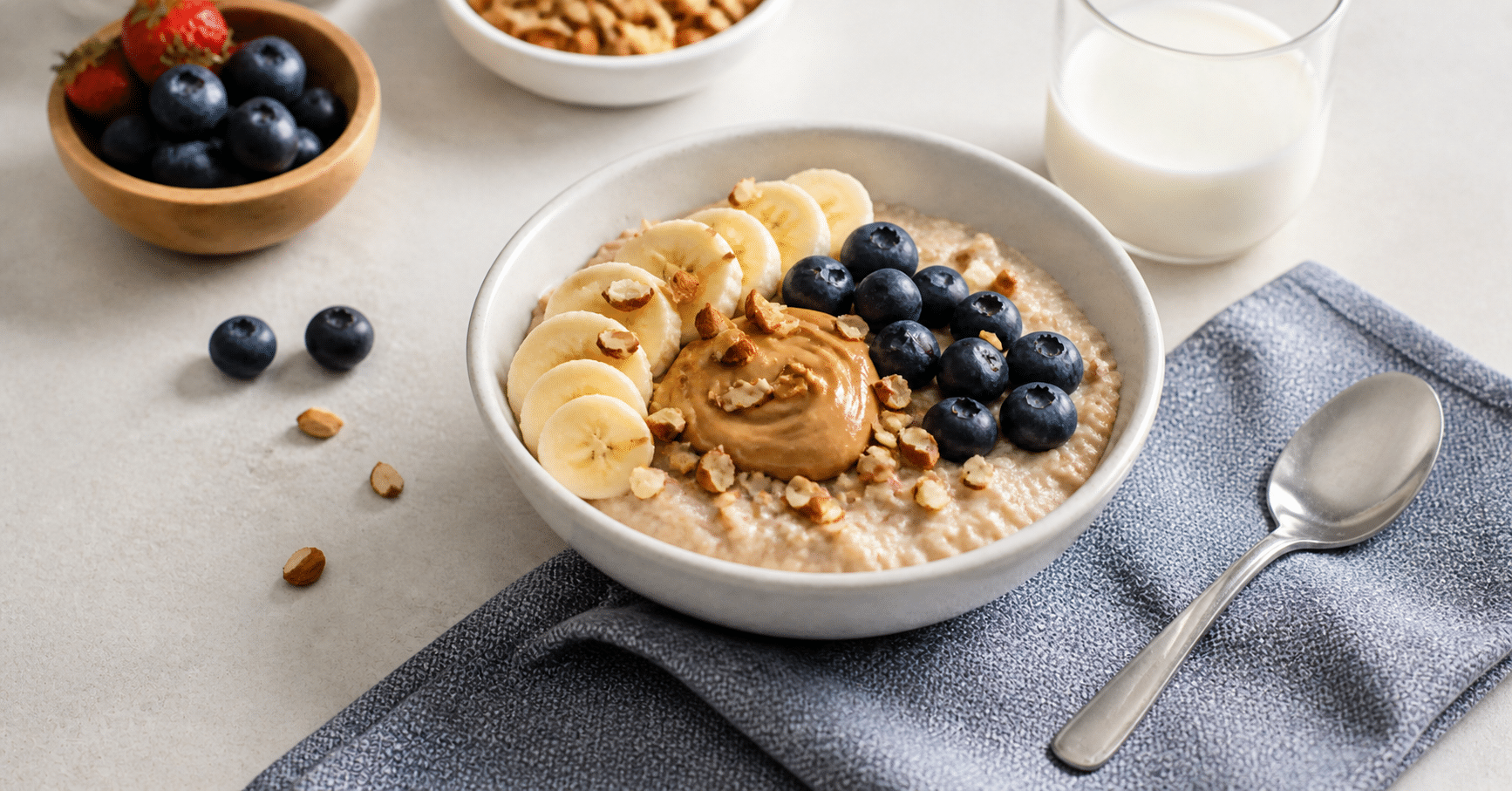
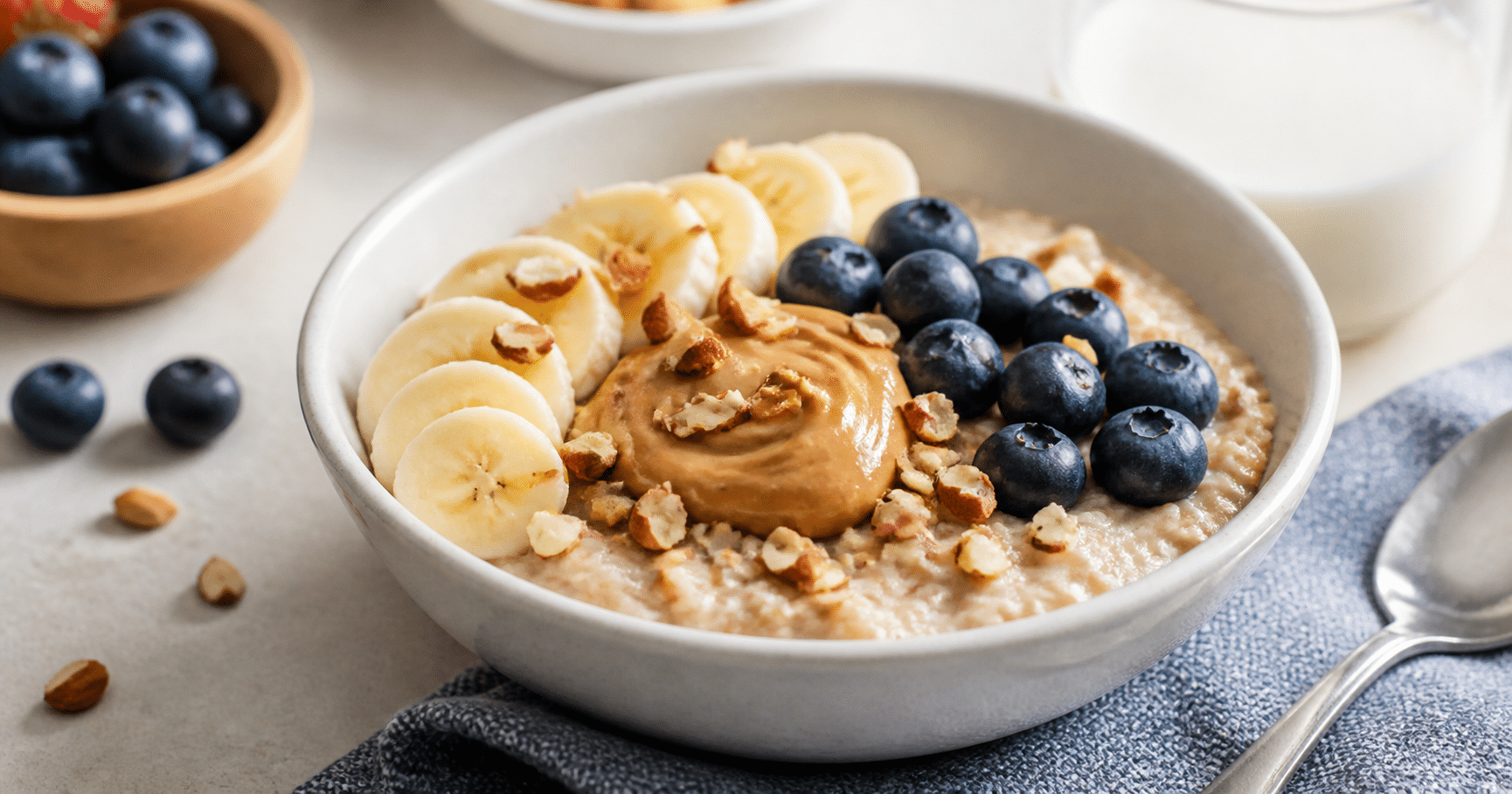
Two tablespoons of peanut butter provide around 7 grams of protein, along with fat that adds richness. Almond butter is similar, though amounts vary. A couple of tablespoons of pumpkin seeds or hemp hearts can also contribute several grams, while chia and flax seeds add fiber and healthy fats but less protein per spoonful.
These toppings are nutritious but calorie-dense, so a modest spoonful or sprinkle may be enough. They work especially well with banana, berries, cinnamon, or diced apple.
5. Mix in protein powder if it suits you
A scoop can add a substantial amount of protein, but products vary widely. Check the serving size and nutrition label rather than assuming every scoop provides the same amount. To reduce clumping, mix the powder with a little cool milk or water first, then stir it into cooked oatmeal after taking the pot off the heat.
6. Try powdered milk for a low-fuss boost
A few tablespoons of nonfat dry milk can add protein without changing the bowl as much as a large serving of yogurt or nut butter. Stir it into the oats as they cook, following the package directions. It’s a handy pantry option, especially when you want a boost without opening another container.
A Creamy High-Protein Oatmeal Bowl
This simple version combines oats, milk, and Greek yogurt for a breakfast that’s easy to adapt. Depending on the brands and amounts used, it provides roughly 20–25 grams of protein before toppings.
Ingredients
-
- ½ cup old-fashioned rolled oats
-
- 1 cup dairy milk or protein-rich soy milk
-
- Pinch of salt
-
- ½ cup plain Greek yogurt
-
- ½ cup berries or sliced banana
-
- Optional: cinnamon, chopped nuts, or a small drizzle of honey
Step-by-Step Instructions
-
- Combine the oats, milk, and salt in a small saucepan.
-
- Bring to a gentle simmer over medium heat, then lower the heat and cook, stirring occasionally, for about 5 minutes, or until the oats reach your preferred texture. Follow the package directions if they differ.
-
- Take the pan off the heat and let the oatmeal cool for a minute or two. Stir in the Greek yogurt. Adding it after cooking helps keep the texture smooth.
-
- Top with fruit and any extras you like. If the oatmeal is thicker than you prefer, loosen it with a splash of milk.
For a faster morning, cook the oats with milk in the microwave according to the package directions, then stir in the yogurt once the bowl is out. Oatmeal is best fresh; if you prepare it ahead, refrigerate it promptly in a covered container and reheat it thoroughly with a splash of liquid to restore its texture.
Make the Protein Addition Work for Your Bowl
One common mistake is relying on a sprinkle of seeds or a few nuts to transform the protein content. They add flavor and nutrients, but a small garnish usually contributes less protein than a serving of yogurt, milk, eggs, or nut butter. For a bigger increase, combine two sources—for example, cook oats with milk and add yogurt after cooking.
Keep an eye on added sugar in flavored yogurt, sweetened milk, and packaged protein powders. Plain options let you control the sweetness with fruit, spices, or a little honey. If you have a medically prescribed protein restriction or a condition affecting kidney function, ask your health care professional what amount is appropriate for you.
A Better Bowl Starts With One Simple Addition
To add protein to oatmeal, start with an ingredient you already enjoy: cook the oats in milk, stir in Greek yogurt, or top them with an egg or peanut butter. The most useful choice is one that fits your taste, routine, and overall eating plan.
Even a small change can make a familiar breakfast more substantial. Let the oats be the base, then build the bowl around the protein source you’ll actually want to eat.