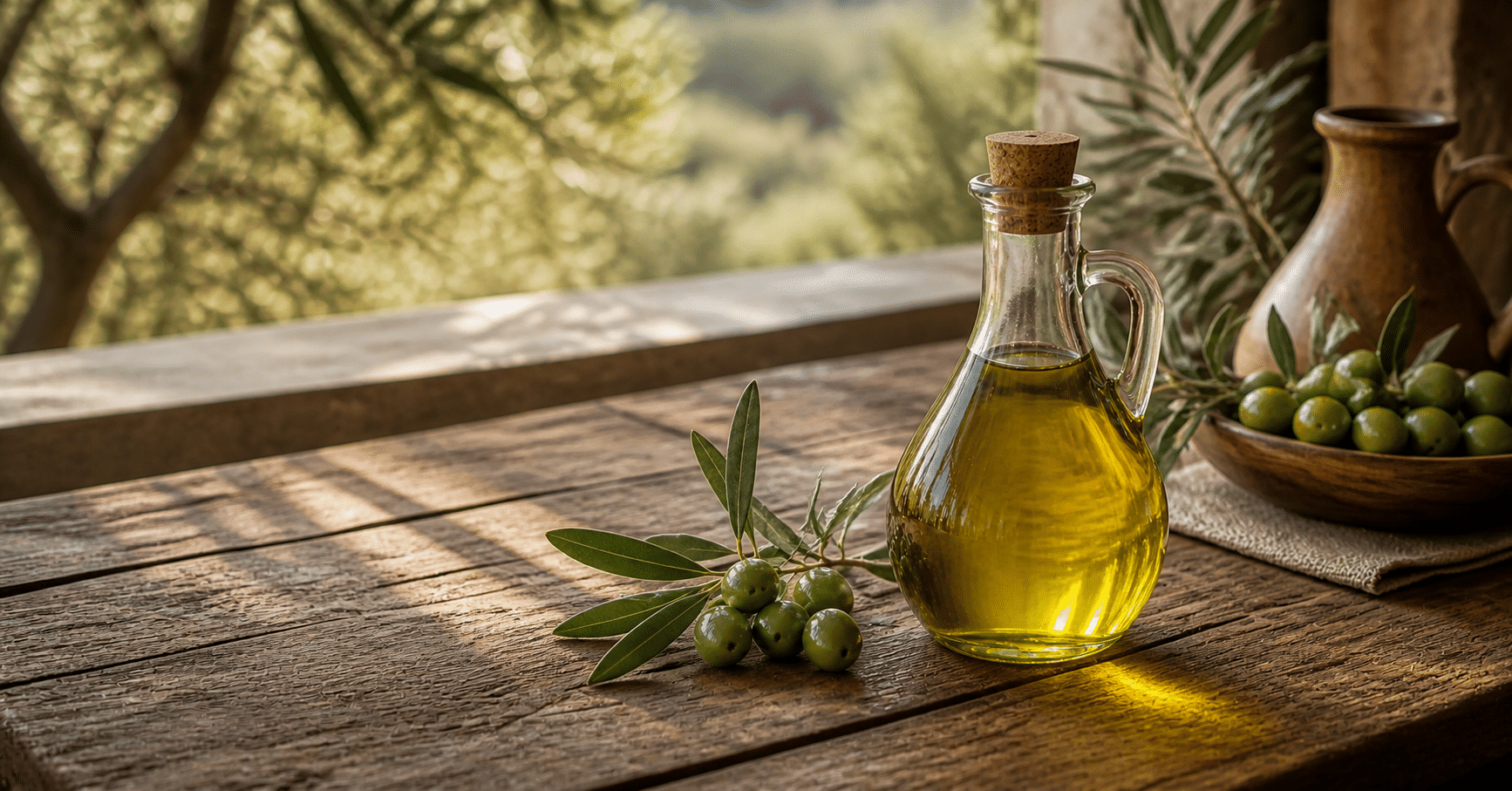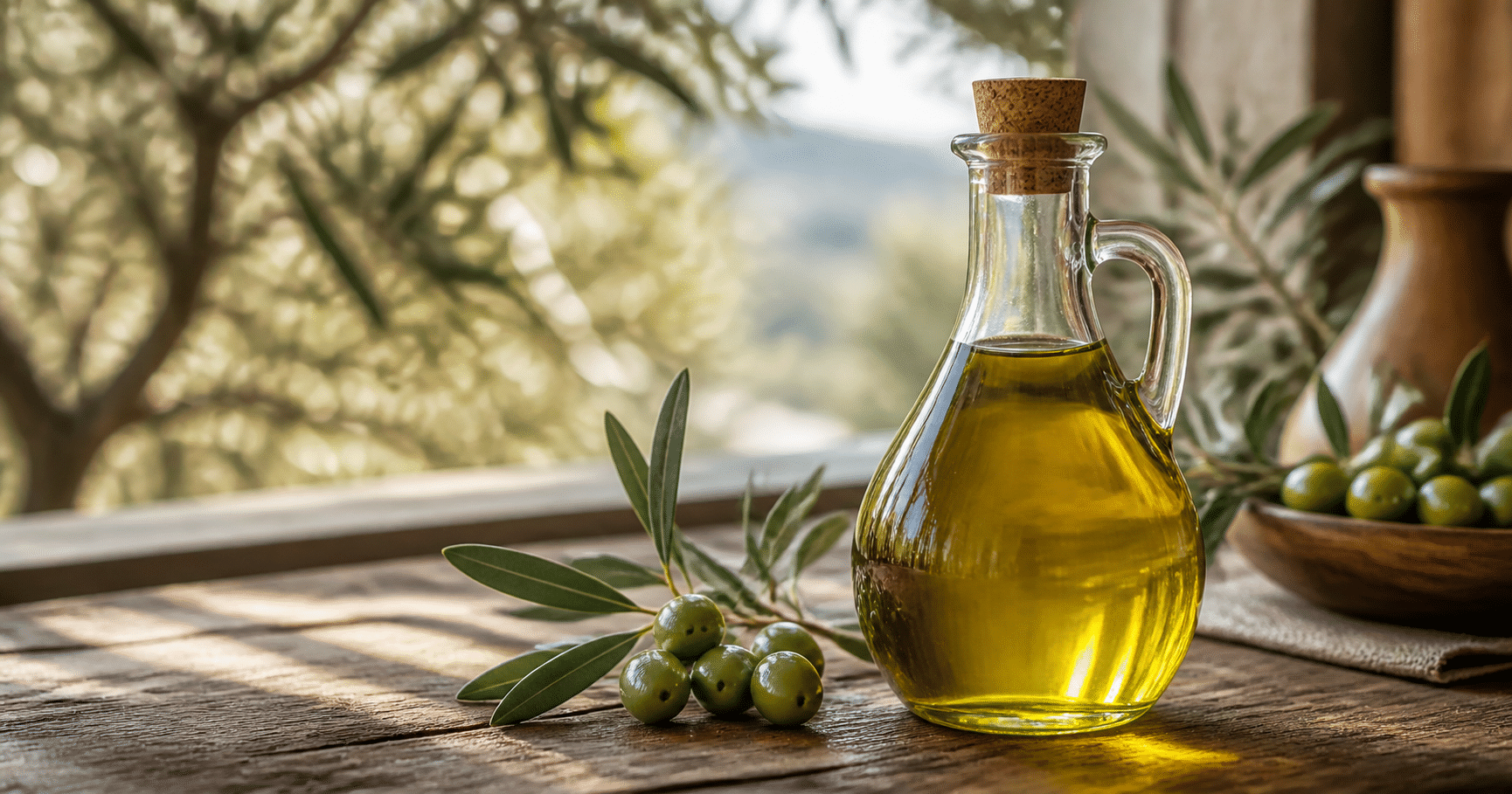
A beautiful olive oil bottle can look like it belongs on a restaurant table. But a handsome label, a heavy glass container, or a picture of a sunlit grove cannot tell you whether the oil inside is fresh—or whether it tastes good.
That matters because olive oil is vulnerable to time, light, heat, and air. Even a carefully made oil can lose its lively flavor if it sits too long in a warm, bright place. Meanwhile, an unassuming bottle with a recent harvest date may be the better buy.
For shoppers, the challenge is knowing which details on the label are useful and which are mostly decoration. Here’s how to judge olive oil quality, what packaging can and cannot do, and how to keep a good bottle tasting its best.
Freshness and handling matter more than a fancy label
Most olive oil is made by crushing olives and separating the oil from the fruit’s water and solids. Extra-virgin olive oil is the highest-grade category under recognized standards: it must meet chemical requirements and pass a sensory evaluation for defects. It is not simply a marketing term for oil in a premium-looking bottle.
Olive oil’s flavor comes from its variety of olives, growing conditions, harvest timing, and processing. Fresh extra-virgin oil may taste grassy, fruity, bitter, or peppery. Those sensations can reflect naturally occurring compounds, including polyphenols, but a peppery finish alone does not prove that an oil is fresh or superior. Flavor varies, and personal preference matters.
After production, exposure to oxygen, light, and warmth gradually dulls flavor and aroma. Packaging can slow that process, but it cannot reverse it—or make old oil fresh again. The practical goal is to find a well-made oil with useful freshness information, then store it thoughtfully.
What to look for when buying olive oil
1. Look for a harvest date
A harvest date tells you more about an oil’s age than a best-by date does. The best-by date is useful, but it is a shelf-life estimate, not a record of when the olives were picked. When harvest information is available, choose a recent one and compare bottles rather than assuming the most expensive option is freshest.
Olive oil is not like wine: it generally does not improve with age. Once opened, its flavor continues to fade, so buy an amount you expect to use within a reasonable time.
2. Treat “extra virgin” as a starting point
The words extra virgin identify a grade, not a promise that every bottle will taste equally fresh or appealing. Production, storage, and time all matter. A credible certification or testing seal may offer added reassurance that an oil has been checked against particular standards, but it does not tell you whether you will enjoy its flavor or how recently it was harvested.
Terms such as “premium,” “pure,” or “first cold pressed” can sound impressive, but they are less useful than clear information about origin, harvest, and the producer. “Cold extracted” describes processing conditions; it does not, by itself, guarantee freshness.
3. Choose protective packaging—not decorative packaging
Dark glass, opaque containers, and tins help shield oil from light. Clear glass makes the color easy to admire, but color is not a reliable measure of quality; oils naturally range from green to golden. A clear bottle displayed under bright store lighting may be less protected than an opaque one.
Still, packaging is only one part of the picture. A beautifully designed dark bottle can contain old oil, while a plain tin can hold an excellent one. Check that the container is intact and sealed, and look for bottles stored away from direct sunlight or heat.
4. Use your senses once you open it
Fresh olive oil often has a recognizable fruit-like aroma. Depending on the oil, you might notice green leaves, herbs, ripe fruit, or a mild bitterness and peppery sensation. None of these notes is mandatory, but an oil should not smell or taste distinctly stale.
Rancid oil may seem waxy, greasy, or reminiscent of old nuts or crayons. If the aroma is flat or unpleasant, replacing it is more useful than trying to disguise it in a dish. There is no need to taste an oil straight if you do not enjoy doing so; a small amount on bread or a plain vegetable is enough to assess its character.
A simple way to choose a bottle in the store
What to check
- A harvest date, if available
- Extra-virgin grade and clear producer or origin information
- Dark glass, an opaque container, or a tin
- A sealed, undamaged container stored away from strong light and heat
- A bottle size you can use before the oil loses its freshness
Step-by-step shopping method
- Compare dates first. If several bottles list harvest dates, use them to identify the freshest option.
- Check the grade and details. Look for extra-virgin olive oil and enough information to identify its producer or origin.
- Consider the container. Prefer packaging that blocks light, but do not let an expensive-looking bottle outweigh freshness information.
- Buy for how you cook. A smaller bottle can make sense if you use olive oil occasionally; frequent cooks may prefer a larger container kept in a cool cupboard.
- Store it well at home. Close the cap tightly after each use and keep the oil away from the stove, sunny windows, and other warm spots.
Keep good oil from going flat at home
Think of olive oil as a fresh pantry ingredient, not a bottle that lasts indefinitely. Heat, light, and air are the main enemies, so a cool, dark cupboard is usually a better home than the countertop beside the range. Keep the bottle tightly closed, and avoid pouring oil into a decorative cruet that sits exposed to light for weeks.
Refrigeration is not necessary for everyday storage and can make olive oil cloudy or firm. That change is generally reversible when the oil returns to room temperature, but frequent chilling and warming is inconvenient. A cupboard is simpler.
Buy the bottle for the oil inside, then give it the storage conditions its packaging is designed to provide.
If you enjoy a robust, peppery oil, use it where its flavor can stand out, such as on beans, soup, or roasted vegetables. A milder oil may suit a delicate salad or a simple vinaigrette. There is no single flavor profile that makes an oil right for everyone.
The best bottle is the one that stays fresh
Packaging matters when it protects olive oil from light, but luxury design is no substitute for freshness, sound production, and proper storage. Start with the harvest date when available, choose a well-sealed dark or opaque container, and buy an amount you will use.
A good olive oil does not need to look expensive. It needs to smell inviting, taste clean, and be stored where light and heat cannot quietly take the flavor away.