A tense afternoon can make a cup of tea sound appealing—and a slow breath feel almost too simple to matter. Both are popular ways to handle everyday stress, but they work differently, and neither is a guaranteed fix.
Breathing exercises are free and available in the moment. Herbal remedies may offer comfort through taste, warmth, and ritual, though evidence that a particular herb reliably relieves ordinary stress is limited. Supplements also bring medication-interaction concerns that a breathing exercise does not.
For adults over 50, that difference matters: a product marketed as “natural” can still affect prescription medicines or cause side effects. Here’s how to weigh breathing against herbs, try a gentle technique, and make a soothing cup of tea without expecting more from it than the evidence supports.
Breathing and herbs ease stress in different ways
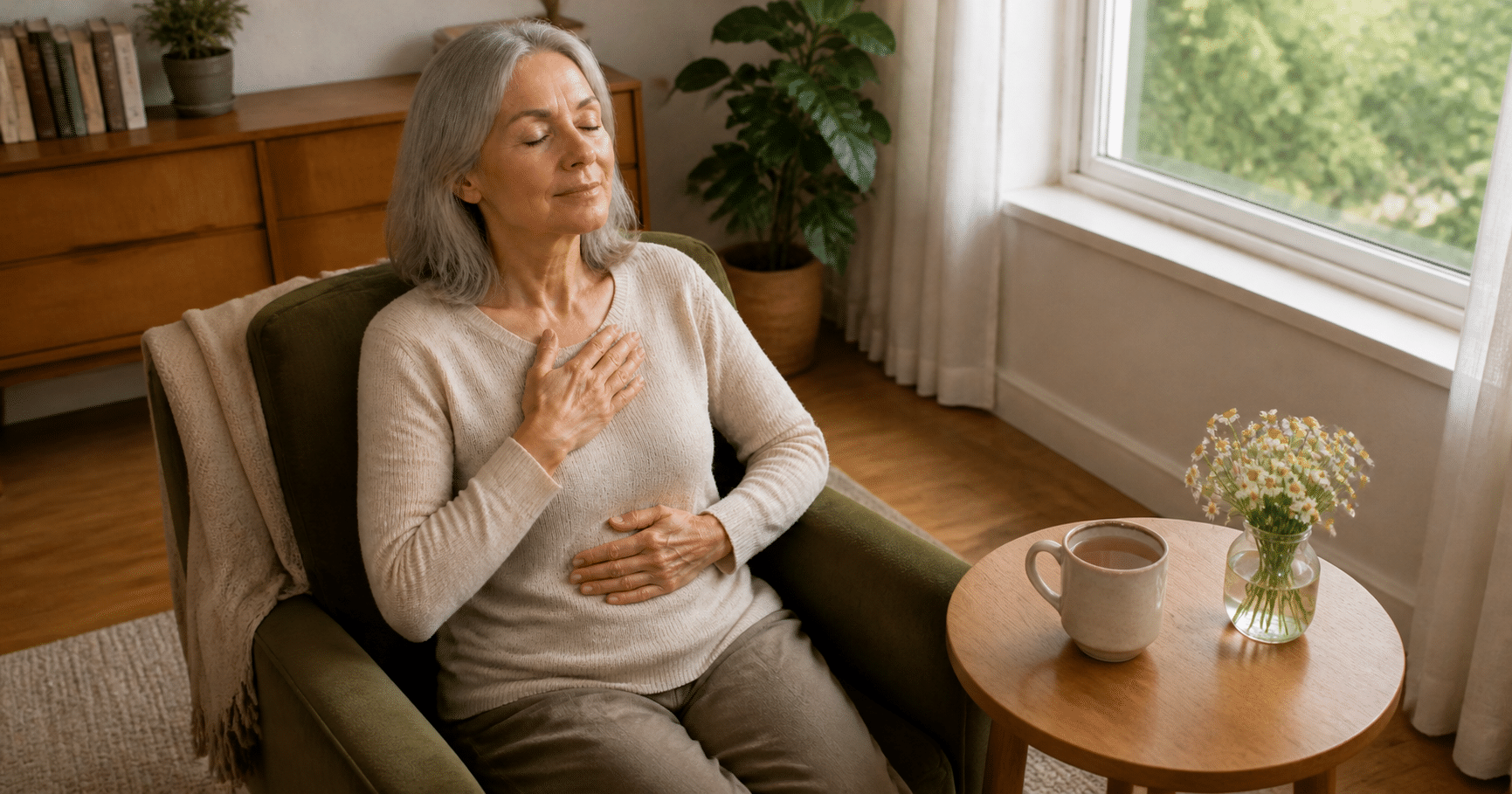
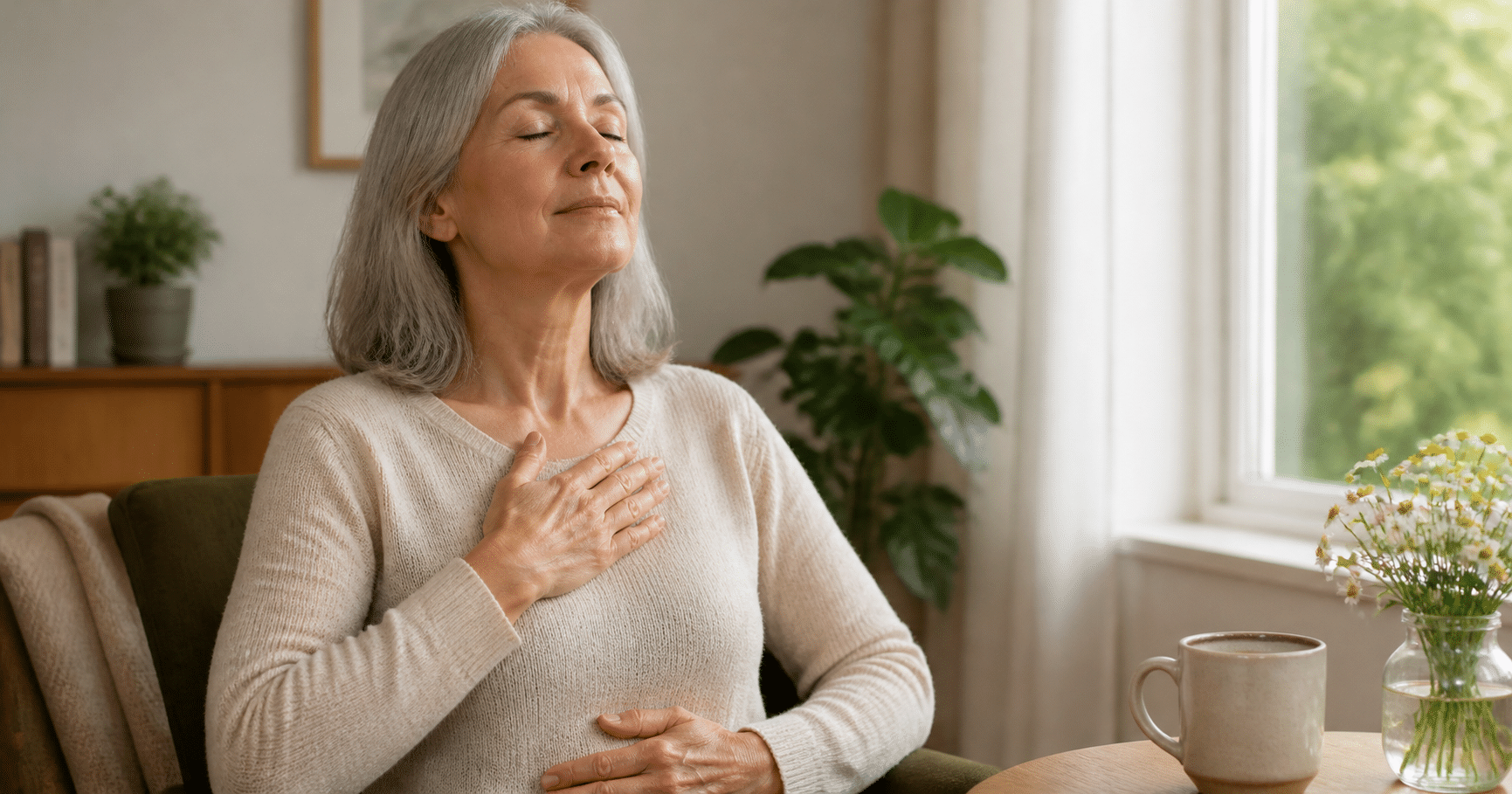
When stress rises, breathing can become quick or shallow. Slowing it down—especially by making the exhale comfortable and unhurried—can help some people feel calmer. Research supports slow breathing as a promising relaxation practice, but the response varies, and it is not a treatment for every cause of anxiety or distress.
Herbal remedies are a broader category. A warm, caffeine-free drink can create a calming pause, while herbs such as chamomile or lemon balm are also studied for possible effects on mood and relaxation. However, research is limited and often focuses on specific preparations or people with anxiety symptoms, not the ordinary stresses of a busy day. A tea’s soothing effect may come partly from the ritual itself.
In practical terms, breathing is the easier first step when stress hits. Tea can complement it as a pleasant routine, but concentrated capsules and extracts deserve more caution than a cup brewed from a familiar tea bag.
What to expect from each approach
1. Breathing offers an on-the-spot pause
You can try a few slow breaths before a difficult phone call, while waiting for an appointment, or after noticing your shoulders tighten. The aim is not to take the deepest breath possible. Forcing big breaths or holding them can feel uncomfortable and may make some people lightheaded.
Breathing exercises may not feel relaxing to everyone. If focusing on your breath brings on dizziness, panic, or discomfort, return to normal breathing and try another grounding activity, such as noticing the sights and sounds around you.
2. Herbal tea can make relaxation feel like a routine
A caffeine-free cup gives you a reason to stop, sit down, and take a break. Chamomile tea is widely used as a calming drink, but evidence does not establish that a cup reliably relieves everyday stress. Lemon balm is another traditional choice; research is still developing, and results from one type of extract cannot automatically be applied to tea.
Tea is also not the same as a supplement. Capsules, tinctures, and extracts can deliver different amounts of plant compounds, and their effects and risks may differ. Don’t assume that a product is safe simply because it is sold as natural.
3. Medication checks matter more with herbs
Herbal products can interact with medicines. St. John’s wort, for example, can interfere with many prescription drugs; it is not a casual stress remedy. Other herbs may add to drowsiness or present concerns for people with particular health conditions.
If you take prescription medicines, use several supplements, or have ongoing health concerns, ask a pharmacist or clinician before trying an herbal product—especially a concentrated extract. A familiar cup of tea is a different exposure from a supplement, but allergies and individual sensitivities still matter.
Try a gentle breathing exercise, then add tea if you like
This simple practice takes about a minute. It should feel comfortable, not like a test of how long you can breathe.
Step-by-step instructions
- Sit with your feet supported and let your shoulders drop. Keep your breathing natural for a moment.
- Breathe in gently through your nose for a count of about three or four, if comfortable.
- Let the breath out slowly for a count of about four or five. Don’t squeeze out the last bit of air or hold your breath.
- Repeat for five or six easy cycles, then return to your usual breathing. Stop if you feel dizzy or uneasy.
Counts are only a guide. If counting makes you tense, skip it and simply allow each exhale to be a little slower than the inhale. You can do this sitting at a table or in a chair; there is no special equipment or schedule.
What you’ll need for a calming cup
- 1 chamomile tea bag or 1 teaspoon dried chamomile intended for tea
- 8 ounces hot water
- Honey or lemon, optional
Step-by-step instructions
- Place the tea bag or dried chamomile in a mug and pour in hot water.
- Steep according to the package directions, usually about five minutes, then remove the tea bag or strain the flowers.
- Add honey or lemon if you enjoy it. Let the cup cool to a comfortable temperature.
Have it as an evening wind-down or during a daytime break, alongside—not instead of—other support you find helpful. Chamomile can trigger reactions in people allergic to plants in the daisy family. If you take medicines such as warfarin, or are unsure whether chamomile is appropriate for you, check with a pharmacist or clinician.
Choose the tool that fits the moment
For an immediate, low-risk reset, try comfortable slow breathing first. For a more settled pause, a caffeine-free tea may be enjoyable, but treat it as a soothing ritual rather than a proven stress treatment. If stress is persistent, interferes with sleep or daily life, or feels overwhelming, talk with a health professional instead of relying on a remedy alone.
The best option is often the one you can use comfortably: a few unforced breaths now, and a warm cup when you have time to sit and enjoy it.