When cold and flu season arrives, it’s tempting to look for one food that can “boost” your immune system: a citrus shot, a spoonful of honey, or a supplement with an impressive label. But immunity isn’t a switch that a particular ingredient can flip—and a healthy diet can’t guarantee that you’ll avoid an infection.
That doesn’t mean food is unimportant. Your immune system relies on nutrients to build and maintain its many parts, from protective barriers in the skin and gut to the cells that respond to germs. If your diet falls short, correcting a shortfall can matter; adding extra nutrients when you already get enough is a different story.
For adults over 50, the useful question is less “What should I eat to supercharge immunity?” and more “Am I consistently getting the nutrients my body needs?” Here’s what nutrition can realistically do, which foods help cover the basics, and an easy meal that brings several of them together.
“Immune-Boosting” Is a Catchy Phrase, Not a Nutrition Plan
The immune system is a network, not a single function that can be turned up without consequences. It needs adequate energy, protein, vitamins, and minerals to work normally. But there’s no reliable evidence that a particular food can strengthen immunity beyond its normal function or prevent you from catching a cold, flu, or other infection.
Nutrients such as vitamin C, vitamin D, and zinc are involved in immune processes. Protein supplies building blocks for immune cells and antibodies, while fiber-rich foods help nourish gut microbes. These are reasons to eat a varied diet—not proof that a megadose or “superfood” offers extra protection.
Food is also only one part of the picture. Staying up to date on recommended vaccines, getting enough sleep, being physically active, and managing health conditions all contribute to overall health. Nutrition supports the body’s defenses; it doesn’t replace those measures or medical care.
Three Nutrition Priorities That Make a Real Difference
1. Cover the basics instead of chasing a miracle ingredient
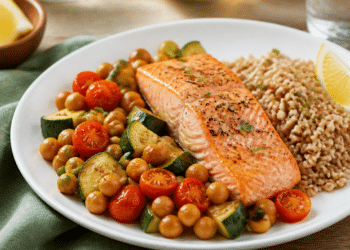
Vitamin C is found in citrus, strawberries, tomatoes, broccoli, and bell peppers. Vitamin D occurs naturally in a smaller range of foods, including fatty fish, and is added to some milk and plant-based alternatives. Zinc is found in foods such as meat, seafood, dairy, beans, nuts, and whole grains.
Eating a mix of these foods helps provide nutrients your body uses. It doesn’t mean that loading up on oranges or taking extra zinc will necessarily improve immune function if your intake is already adequate.
2. Don’t overlook protein and variety
Protein helps the body maintain and repair tissues and make immune components. Include a source at meals—such as eggs, yogurt, fish, poultry, tofu, lentils, or beans—especially if appetite or meal size has decreased. Needs vary with health, activity, and individual circumstances, so ask a clinician or registered dietitian for personalized guidance if you’re losing weight or struggling to eat enough.
Vegetables, fruit, legumes, whole grains, nuts, and seeds add fiber and a range of nutrients. No single food has to do all the work. A varied pattern is more practical than trying to fit every supposed “immune superfood” into one meal.
3. Treat supplements as a targeted tool, not insurance
A supplement can be useful when a deficiency is diagnosed or a clinician identifies a reason to take one. But more isn’t automatically better: high doses of some nutrients can cause harm or interact with medicines. Vitamin D and zinc supplements, for example, can be inappropriate in excessive amounts.
If you’re considering a supplement, review the dose and your medication list with a health professional, particularly if you have a chronic condition. Don’t use supplements in place of prescribed treatment or recommended vaccines.
A Colorful Bean and Pepper Bowl for an Everyday Meal
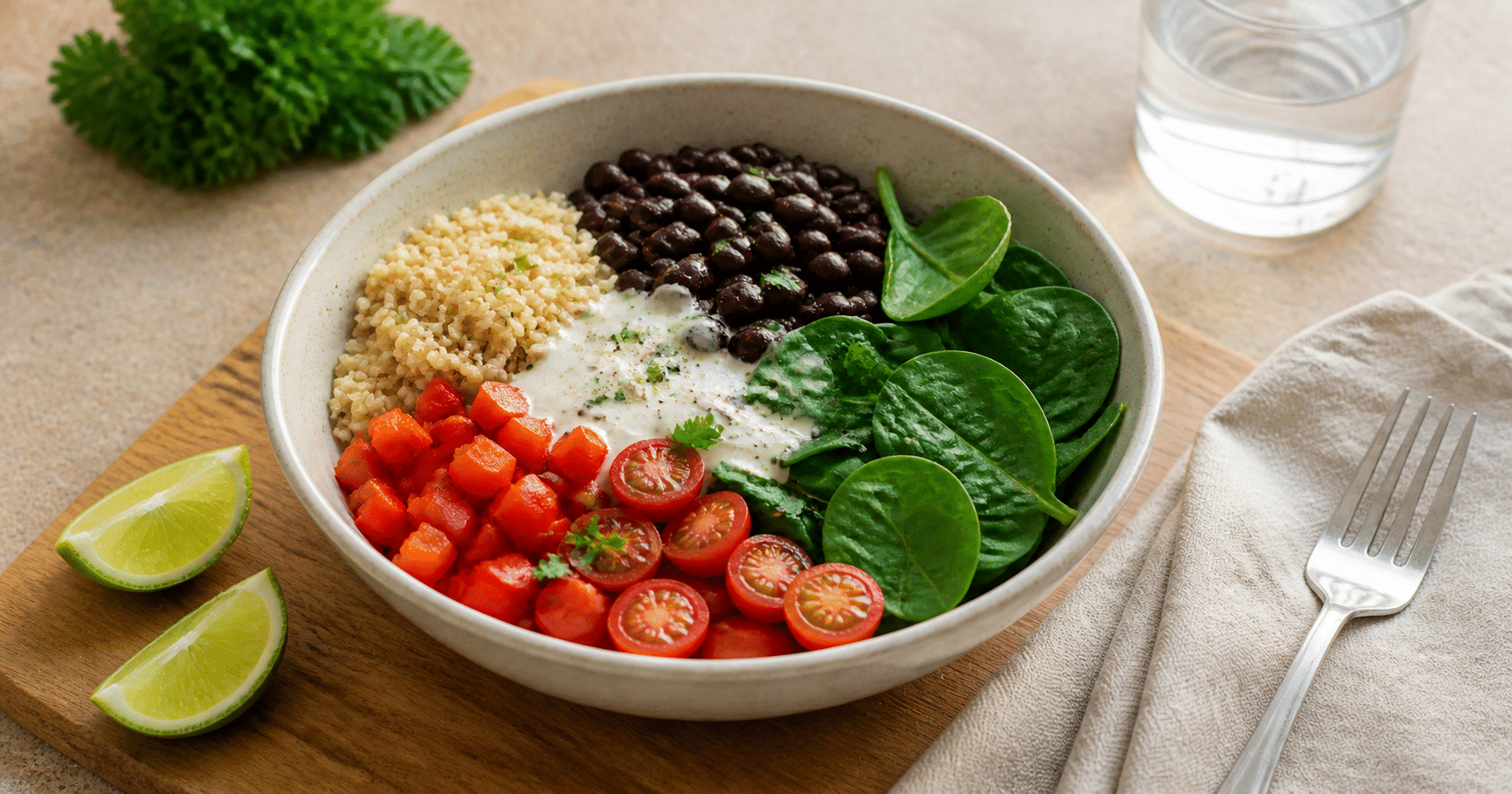
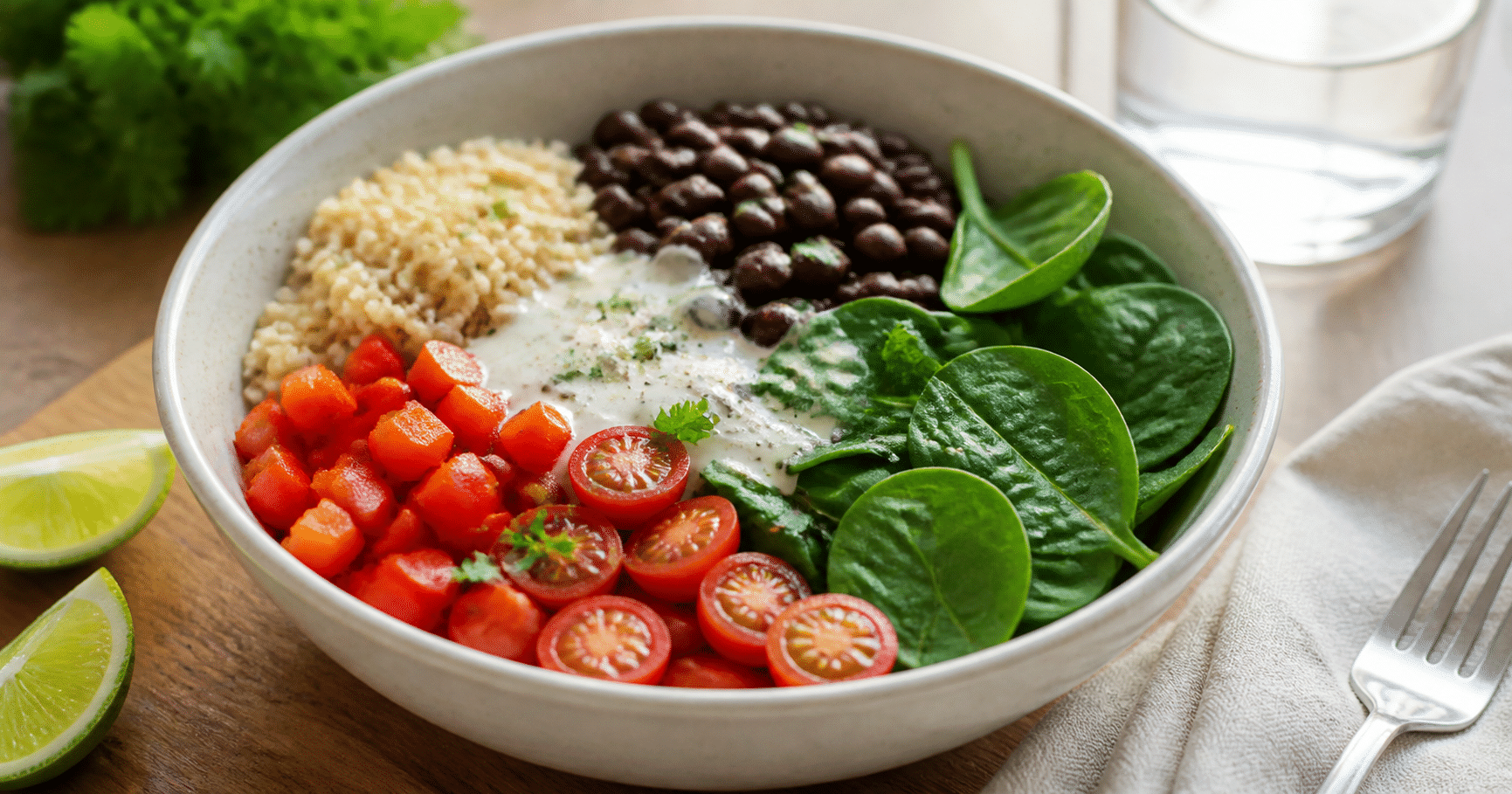
This simple bowl combines beans for plant-based protein and fiber with vegetables that contribute vitamin C. It’s a nourishing meal, not an immune remedy—and it can be adapted to whatever you have on hand.
Ingredients
- 1 cup cooked brown rice or quinoa
- 1 cup no-salt-added canned black beans, rinsed and drained
- 1 red bell pepper, diced
- 1 cup cherry tomatoes, halved
- 1 cup baby spinach
- 2 tablespoons plain Greek yogurt or unsweetened plant-based yogurt
- 1 tablespoon lime juice
- 1 teaspoon olive oil
- ¼ teaspoon ground cumin
- Black pepper to taste
Step-by-Step Instructions
- Prepare the rice or quinoa according to its package directions, if it isn’t already cooked. Canned beans are ready to eat once rinsed and drained.
- In a small bowl, stir together the yogurt, lime juice, olive oil, cumin, and black pepper.
- Divide the warm grain between two bowls. Add the beans, bell pepper, tomatoes, and spinach.
- Spoon the dressing over the bowls and serve. The recipe makes two portions and takes about 10 minutes if the grain is already cooked.
Refrigerate leftovers promptly in a covered container and use within a few days. For a different flavor, swap in roasted vegetables or add a hard-boiled egg, cooked fish, or tofu. If you’re watching sodium, rinsing canned beans and choosing no-salt-added options can help.
Make the Pattern Easier to Keep
Small, repeatable choices are more useful than a one-day “immune reset.” Keep frozen vegetables and fruit on hand, add beans to soups or salads, and choose fortified foods when they fit your diet. If chewing, appetite, budget, or food access makes balanced meals difficult, a clinician or dietitian can help find workable options.
Remember, a food’s nutrient content doesn’t promise a particular health outcome. The goal is to meet your needs consistently—not to make your immune system work harder than it should.
The Bottom Line: Support, Not Supercharge
There are no proven foods that reliably prevent infection or dramatically “boost” immunity. A varied eating pattern with enough protein and essential nutrients supports normal immune function, while supplements are best used for a specific, well-founded reason.
Think less about finding one magic ingredient and more about building meals your body can count on. That’s a realistic nutrition strategy—and a useful one well beyond cold season.