Cinnamon can make a bowl of oatmeal taste warmer, a cup of coffee smell richer, and a simple fruit dessert feel complete. It also has a reputation as an anti-inflammatory spice—an appealing idea for anyone hoping to get more from everyday foods.
There is a scientific reason for the interest: cinnamon contains compounds that affect inflammatory processes in laboratory experiments. But that is not the same as showing that a sprinkle on breakfast meaningfully reduces inflammation in the body or treats a health condition.
The practical distinction matters. Research on cinnamon supplements is limited and mixed, while cinnamon used in cooking is best thought of as a flavorful ingredient—not a proven remedy. Here’s what the evidence can tell us, how to use cinnamon in the kitchen, and why the type of cinnamon matters if it’s a frequent part of your routine.
What “anti-inflammatory” means for cinnamon
Inflammation is part of the immune system’s normal response to injury and infection. Problems can arise when inflammatory activity is prolonged or poorly regulated. Researchers study foods and plant compounds to see whether they influence this activity, but a change in a laboratory measure does not automatically translate into a noticeable health benefit.
Cinnamon contains plant compounds, including cinnamaldehyde and polyphenols. In laboratory and animal research, some cinnamon compounds have shown effects on pathways involved in inflammation and oxidative stress. These findings help explain why cinnamon is studied, but they do not establish that eating it has the same effect in people.
Human studies have generally examined cinnamon supplements, often in people with particular health conditions, rather than ordinary amounts sprinkled on food. Some trials and reviews report changes in inflammation-related markers; results are inconsistent, and studies vary in size, preparation, and dose. There is not strong evidence that culinary cinnamon prevents or treats chronic inflammatory disease.
Three useful distinctions between research and the spice jar
1. A promising mechanism is not a proven outcome
A compound can affect cells in a lab without producing the same effect after digestion. The amount used in an experiment, how the compound is absorbed, and how the body processes it can all differ from everyday cooking. Even when a study finds a change in a blood marker, that alone does not show that people feel better or have fewer health problems.
2. Supplements are not the same as a sprinkle
Studies often use concentrated extracts or measured supplement doses. Their findings cannot be directly applied to the small, variable amount of cinnamon used in a recipe. Supplements may also bring more exposure to cinnamon compounds than normal food use, along with greater potential for side effects or interactions.
3. “Cinnamon” can mean different species
Two common types are Cinnamomum cassia, often sold as cassia cinnamon, and Cinnamomum verum, also called Ceylon cinnamon. Cassia is widely available and typically contains more coumarin, a naturally occurring compound that can harm the liver when consumed in high amounts over time. Ceylon cinnamon generally contains much less.
For most people, using cinnamon as a seasoning is different from taking large amounts regularly. If you use it often or are considering a supplement, choosing Ceylon cinnamon may limit coumarin exposure. People with liver disease, or those taking medicines that affect the liver, should ask a health professional before using cinnamon supplements.
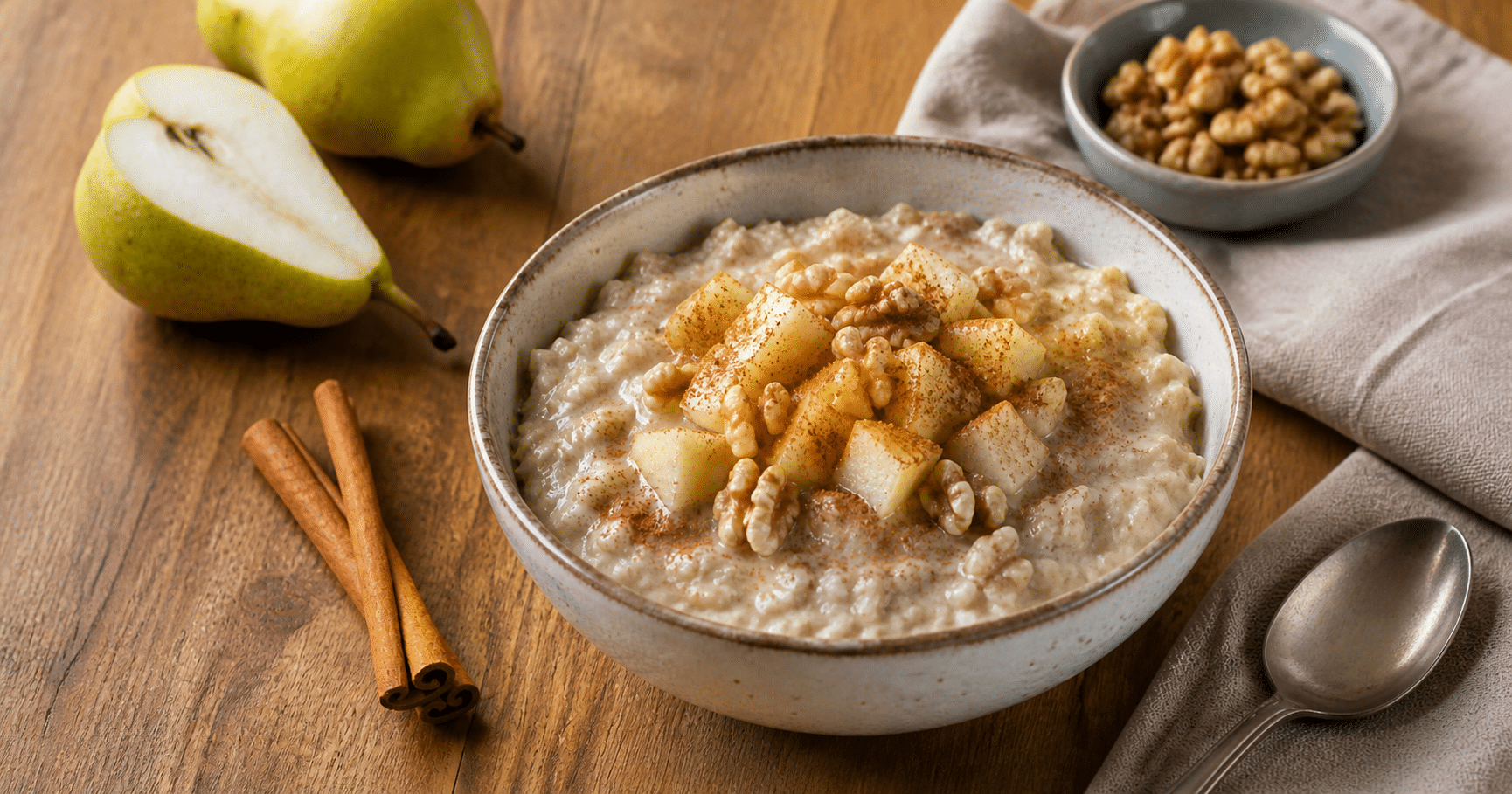
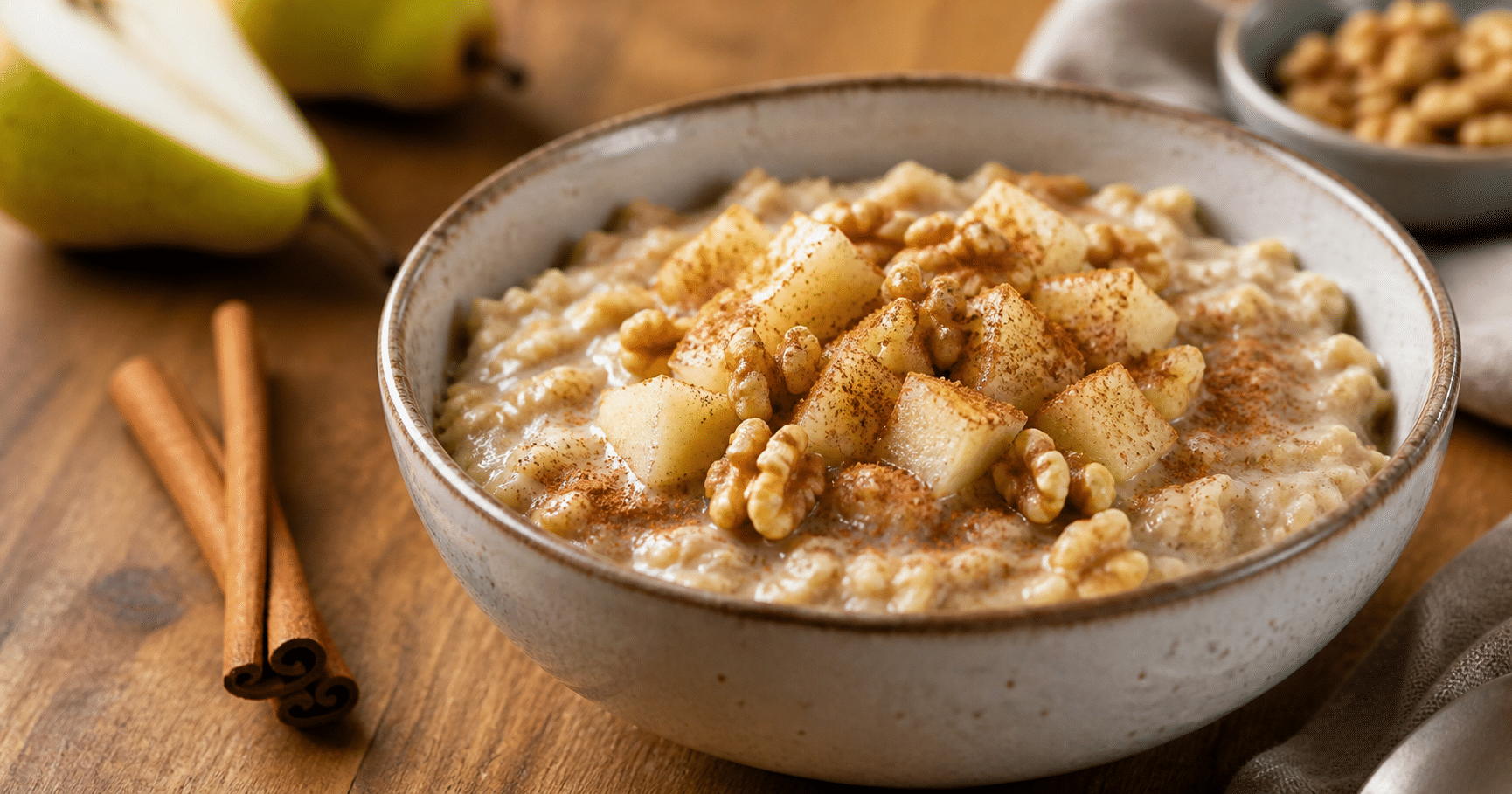
A simple way to enjoy cinnamon: pear-cinnamon oatmeal
This easy breakfast uses cinnamon for flavor and sweetness, rather than treating it as a medicinal dose. It makes two servings and takes about 10 minutes.
Ingredients
-
- 1 cup old-fashioned rolled oats
-
- 2 cups water or milk
-
- 1 ripe pear, cored and diced
-
- 1/2 teaspoon ground cinnamon
-
- A pinch of salt
-
- Chopped walnuts or plain yogurt, for serving (optional)
Step-by-Step Instructions
-
- Combine the oats, water or milk, diced pear, cinnamon, and salt in a small saucepan.
-
- Bring to a gentle simmer over medium heat, stirring occasionally.
-
- Cook for about 5 minutes, or until the oats are tender and the pear has softened. Add a splash of liquid if you prefer a thinner consistency.
-
- Divide between two bowls. Add walnuts or yogurt if desired.
For a quicker version, stir cinnamon into cooked oatmeal and top it with fresh fruit. You can also add a pinch to unsweetened yogurt, roasted squash, or coffee. Those uses make cinnamon easy to enjoy without relying on extra sugar.
How to use cinnamon without overthinking it
For everyday cooking, use cinnamon because you like its flavor. It can help make fruit, oats, or plain yogurt taste satisfying, but it does not turn those foods into a treatment. A varied eating pattern—with vegetables, fruit, whole grains, and other nutritious foods—matters more than adding one spice.
Be cautious with capsules, extracts, and recipes that encourage large daily amounts. Cinnamon supplements may interact with medicines, including drugs that affect blood sugar or the liver, and the safety of long-term high-dose use is not well established. If you take regular medication, check with a clinician or pharmacist before starting a supplement.
The bottom line on cinnamon and inflammation
Cinnamon contains compounds with anti-inflammatory effects in laboratory research, but evidence that it meaningfully reduces inflammation or improves health in people remains limited. A sprinkle in food is a sensible way to enjoy it; it is not a substitute for medical care or a proven anti-inflammatory treatment.
Think of cinnamon as a small, fragrant upgrade to everyday meals—not a shortcut to better health.