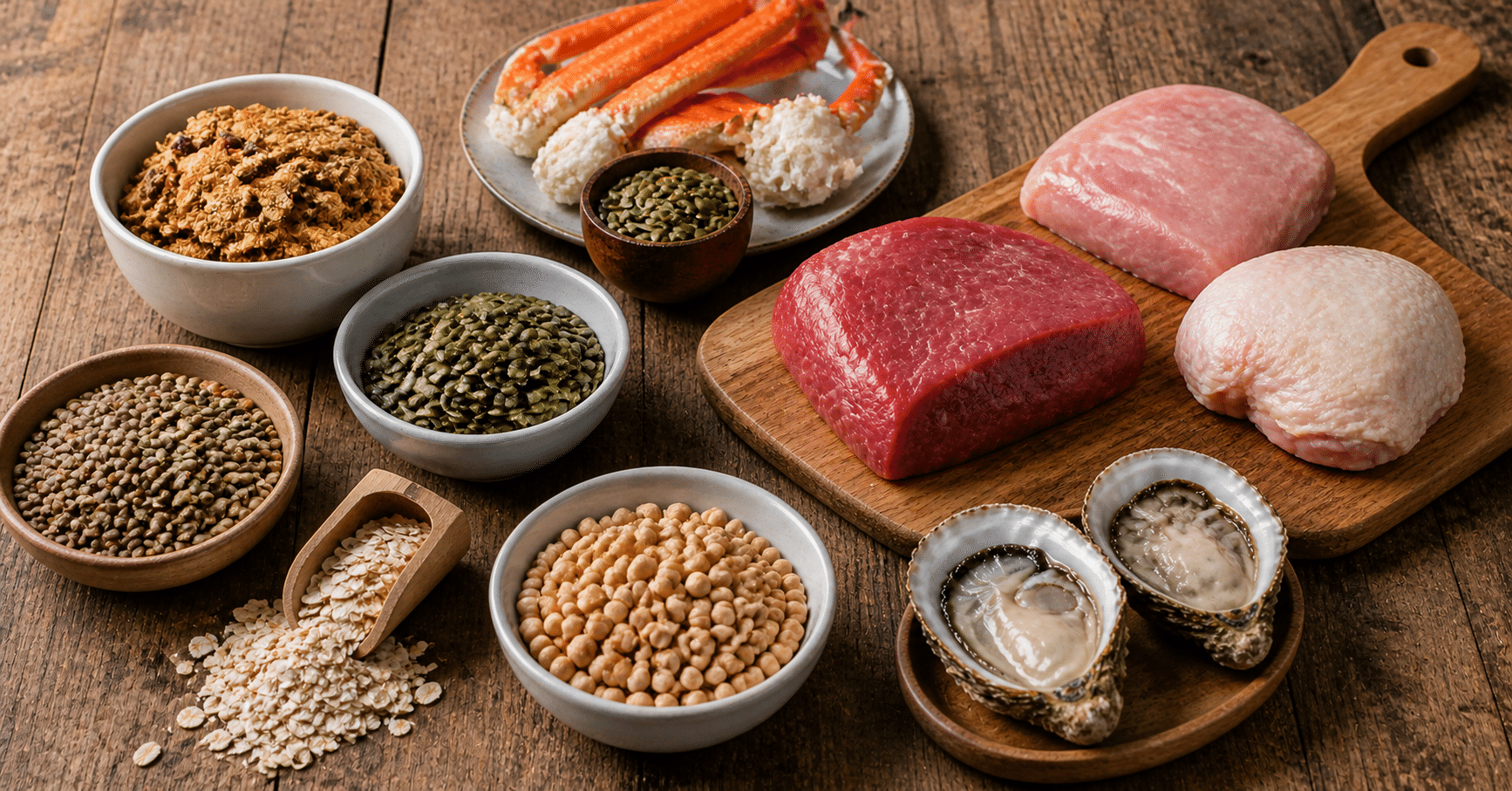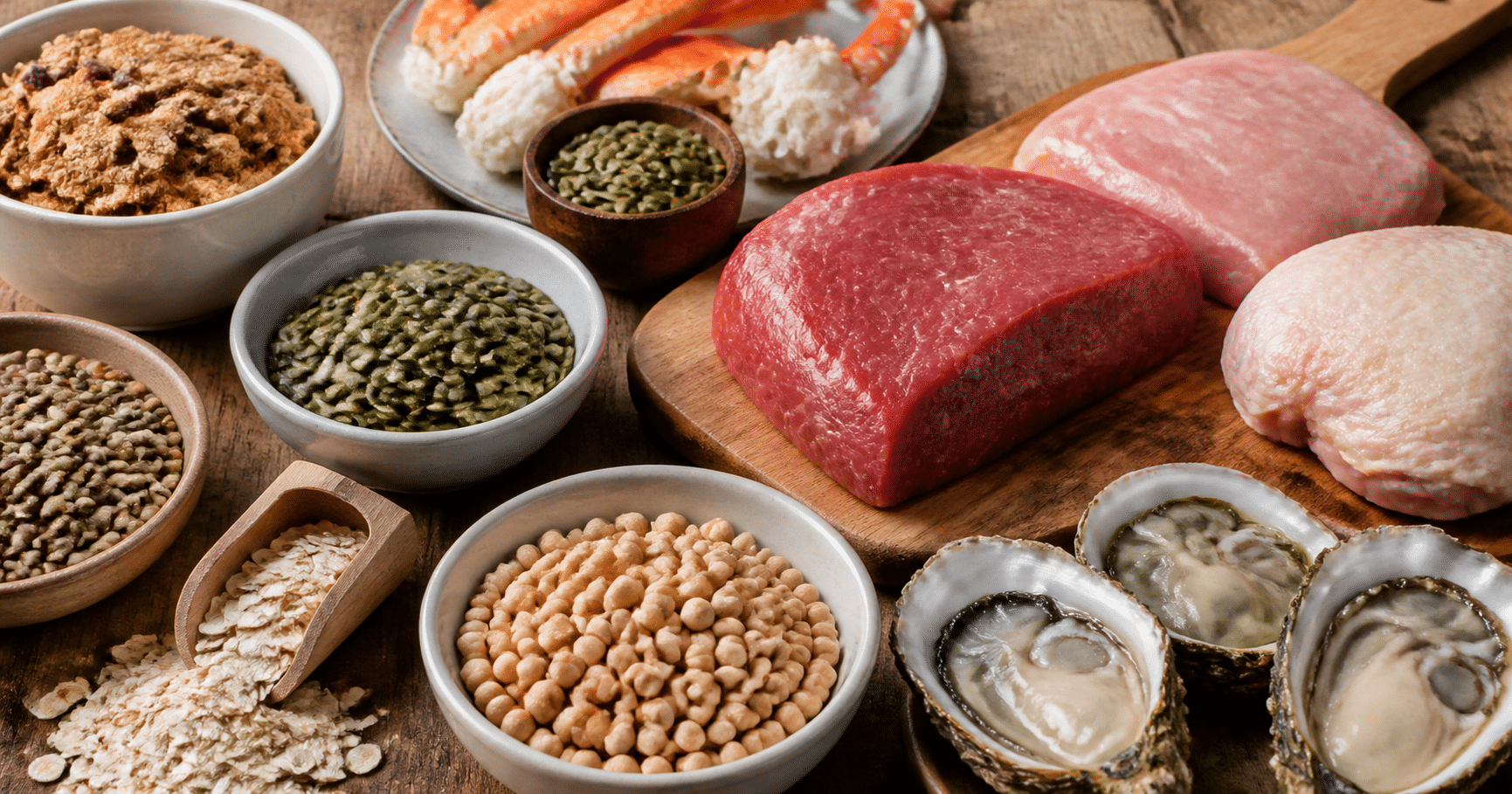
Zinc rarely gets the attention given to protein or calcium, yet your body uses it every day to make DNA and proteins, support immune function, and help you taste and smell. The good news: You don’t need an exotic ingredient to get it. Several familiar foods can make a useful contribution.
One detail can change how you plan your meals: zinc is present in both animal and plant foods, but your body generally absorbs it more readily from animal sources. That doesn’t make beans, oats, or seeds poor choices; it simply means the amount on a nutrition chart doesn’t tell the whole story.
Here are 10 everyday options, with approximate amounts per serving, plus a simple meal idea. Values can vary by brand, cut, and preparation, so treat them as helpful estimates—not exact counts.
How Much Zinc Do Adults Need?
For adults, the recommended amount is 8 milligrams a day for women and 11 milligrams for men. Those recommendations don’t increase simply because someone is over 50. Zinc supports many routine processes, but getting more than you need isn’t a shortcut to better health.
Animal foods such as meat and seafood tend to provide zinc in a form that is more readily absorbed. Beans, whole grains, nuts, and seeds also contain zinc, though natural compounds called phytates can reduce how much the body absorbs. Eating a varied diet is a practical way to draw on both groups.
10 Familiar Foods That Deliver Zinc
1. Oysters: About 25–30 mg per 3 ounces, cooked
Oysters are exceptionally rich in zinc, but their content varies considerably by species and serving. A portion can provide more than a day’s recommended amount, so they’re a concentrated source—not a food you need to eat in large quantities or every day.
2. Beef: About 5 mg per 3-ounce serving of cooked ground beef
Beef is one of the more convenient ways to add zinc to a meal. A small cooked patty or a portion of lean ground beef in chili can contribute meaningfully without requiring a special recipe.
3. Crab: About 6 mg per 3 ounces
Crab is a zinc-rich seafood option that works in salads, sandwiches, or a simple seafood dinner. The amount varies with the type of crab, so use this figure as an estimate.
4. Pork: About 2–3 mg per 3-ounce cooked serving
Pork chops and tenderloin offer a moderate amount of zinc alongside protein. Choose a lean cut if that fits your preferences, and remember that portion size and cooking method affect the final nutrition profile.
5. Chicken: About 2 mg per 3 ounces of cooked dark meat
Chicken thigh meat generally supplies more zinc than an equal serving of chicken breast. Both are useful sources of protein; the difference is a reminder that the cut matters when comparing foods.
6. Pumpkin seeds: About 2 mg per ounce
A small handful of pumpkin seeds adds zinc, crunch, and unsaturated fat. Sprinkle them over oatmeal or soup, or keep a modest portion on hand for a snack.
7. Chickpeas: About 2.5 mg per cooked cup
Chickpeas bring zinc along with fiber and plant-based protein. Add them to salads and soups, or mash them into a sandwich filling. Their zinc may be less readily absorbed than zinc from meat, but they still count toward a varied diet.
8. Lentils: About 2.5 mg per cooked cup
Lentils are an easy pantry staple for soups, stews, and grain bowls. They’re especially practical because they cook into a filling meal and pair well with vegetables and other protein sources.
9. Oatmeal: About 2 mg per cup, cooked
A warm bowl of oatmeal offers a modest amount of zinc, not a high-dose serving. Add pumpkin seeds for a little more, or enjoy oats as one part of a day that also includes other zinc-containing foods.
10. Fortified breakfast cereal: Check the label
Zinc content varies widely by product. Some cereals provide a meaningful amount per serving, while others provide little or none. Look at the Nutrition Facts label and check the serving size; a bowl filled well beyond that amount may contain more than the listed figure.
A Simple Beef, Chickpea, and Pumpkin Seed Bowl
This one-person lunch brings together three of the foods above. Depending on the products and portions, it provides roughly 7 milligrams of zinc, though the actual amount can differ.
Ingredients
-
- 3 ounces lean ground beef
-
- ½ cup cooked chickpeas, drained if canned
-
- 1 tablespoon pumpkin seeds
-
- 1 cup chopped greens or shredded lettuce
-
- ¼ cup chopped tomato
-
- 1 tablespoon lemon juice
-
- Black pepper, to taste
Step-by-Step Instructions
-
- Cook the ground beef in a skillet over medium heat, breaking it into small pieces. Cook until it reaches 160°F, then drain excess fat if needed.
-
- Warm the chickpeas in the same skillet or in a microwave-safe bowl.
-
- Arrange the greens and tomato in a bowl. Add the beef and chickpeas, then finish with pumpkin seeds, lemon juice, and black pepper.
The bowl is best assembled just before eating. For an easy variation, use leftover cooked beef or swap in lentils for chickpeas. Refrigerate cooked beef and chickpeas promptly in covered containers and use within three to four days.
Small Details That Make Zinc Easier to Get
Think in terms of meals rather than a single “superfood.” A bowl of oatmeal with seeds at breakfast, beans at lunch, and a modest serving of meat or seafood at dinner can spread zinc sources across the day. If you eat mostly plant-based foods, include legumes, whole grains, nuts, or seeds regularly; soaking or sprouting some legumes and grains may reduce phytates, but it doesn’t remove them entirely.
Food is also different from high-dose supplements. The adult upper limit for zinc from food and supplements combined is 40 milligrams a day; routinely taking too much zinc can interfere with copper absorption. Some zinc supplements can also affect how certain antibiotics are absorbed, so check with a pharmacist or clinician if you use one.
The Practical Takeaway
Beef, seafood, seeds, beans, lentils, oats, and fortified cereal can all help supply zinc. Animal sources are generally absorbed more readily, while plant foods contribute zinc along with other useful nutrients.
Rather than chasing the highest number, choose a mix of foods you enjoy—and check labels when fortification is involved. A steady, varied eating pattern is usually more useful than trying to make one ingredient do all the work.