A jar of chia seeds, a handful of blueberries or a spoonful of turmeric can all earn a place in a healthy kitchen. But no single “superfood” can supply everything the body needs—and focusing too closely on one celebrated ingredient can distract from a more useful question: What does the rest of the plate look like?
Foods marketed as superfoods often contain valuable nutrients or plant compounds. The catch is that those benefits belong within an overall eating pattern, not outside it. A food can be nutritious without being uniquely powerful, and eating more of it does not necessarily make a diet better.
For adults over 50, variety can make meals more nourishing, satisfying and practical. Here’s what it means in everyday cooking, why different foods bring different strengths, and how to add variety without turning every grocery trip into a search for exotic ingredients.
Why a varied plate can do more than one “superfood”
Foods contain different combinations of nutrients. Beans provide fiber and plant protein; leafy greens contribute folate and vitamin K; berries offer fiber and a range of colorful plant compounds; nuts and seeds provide unsaturated fats, minerals and protein. No one food supplies all of these in the same proportions.
Variety also means getting different kinds of fiber. Fiber from beans, oats, vegetables, fruit, nuts and seeds is not identical in its structure or food context. Some types are fermented by gut microbes, while others add bulk and help support regularity. Eating a mix of fiber-containing foods is one reasonable way to support a varied diet; it is not a guarantee of a particular digestive or health outcome.
Color is a useful shopping cue, but it is not a complete nutrition scorecard. Different pigments often signal different plant compounds, yet foods of the same color can have very different nutrients. A colorful plate can help broaden choices, while whole grains, legumes and other less colorful foods deserve a place too.
Research on individual nutrients and foods can help explain how they work, but it does not mean one ingredient acts like a treatment. The practical lesson is simpler: build meals around an assortment of nourishing foods over time, rather than expecting a single powder, seed or fruit to make up for an otherwise limited pattern.
Four useful ways to think about food variety
1. Different foods fill different nutritional gaps
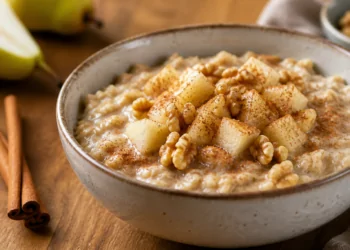
Suppose breakfast is oatmeal with walnuts and berries. It offers whole grains, nuts and fruit, but it does not represent every food group. Lunch might add lentils, vegetables and yogurt; dinner could include fish, brown rice and roasted broccoli. Variety does not require every meal to be perfectly balanced. It can take shape across the day and week.
2. Whole foods bring more than a headline nutrient
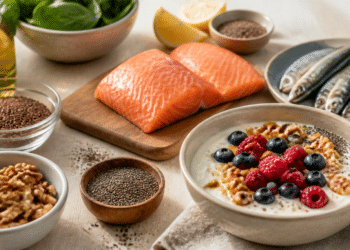
Chia is often praised for fiber and plant-based omega-3 fat. But eating chia does not provide the same overall mix as eating salmon, beans, leafy greens or fruit. Likewise, a turmeric supplement is not interchangeable with a meal containing vegetables, whole grains and protein. The food itself comes with a wider package of nutrients and, often, satisfying texture and flavor.
3. Plant diversity is useful, but there is no magic count
Rotating among fruits, vegetables, beans, nuts, seeds and whole grains can broaden the kinds of fiber and plant compounds in a diet. Scientists continue to study how dietary patterns relate to the gut microbiome, but there is no universal number of different plants that guarantees a health benefit. A manageable rotation is more helpful than treating a tally as a medical target.
4. Familiar foods count
Variety does not have to mean expensive powders or hard-to-find produce. Frozen vegetables and berries, canned beans, oats, brown rice, apples, cabbage and peanuts can all help diversify meals. Canned beans are convenient; draining and rinsing them can reduce some of their sodium.
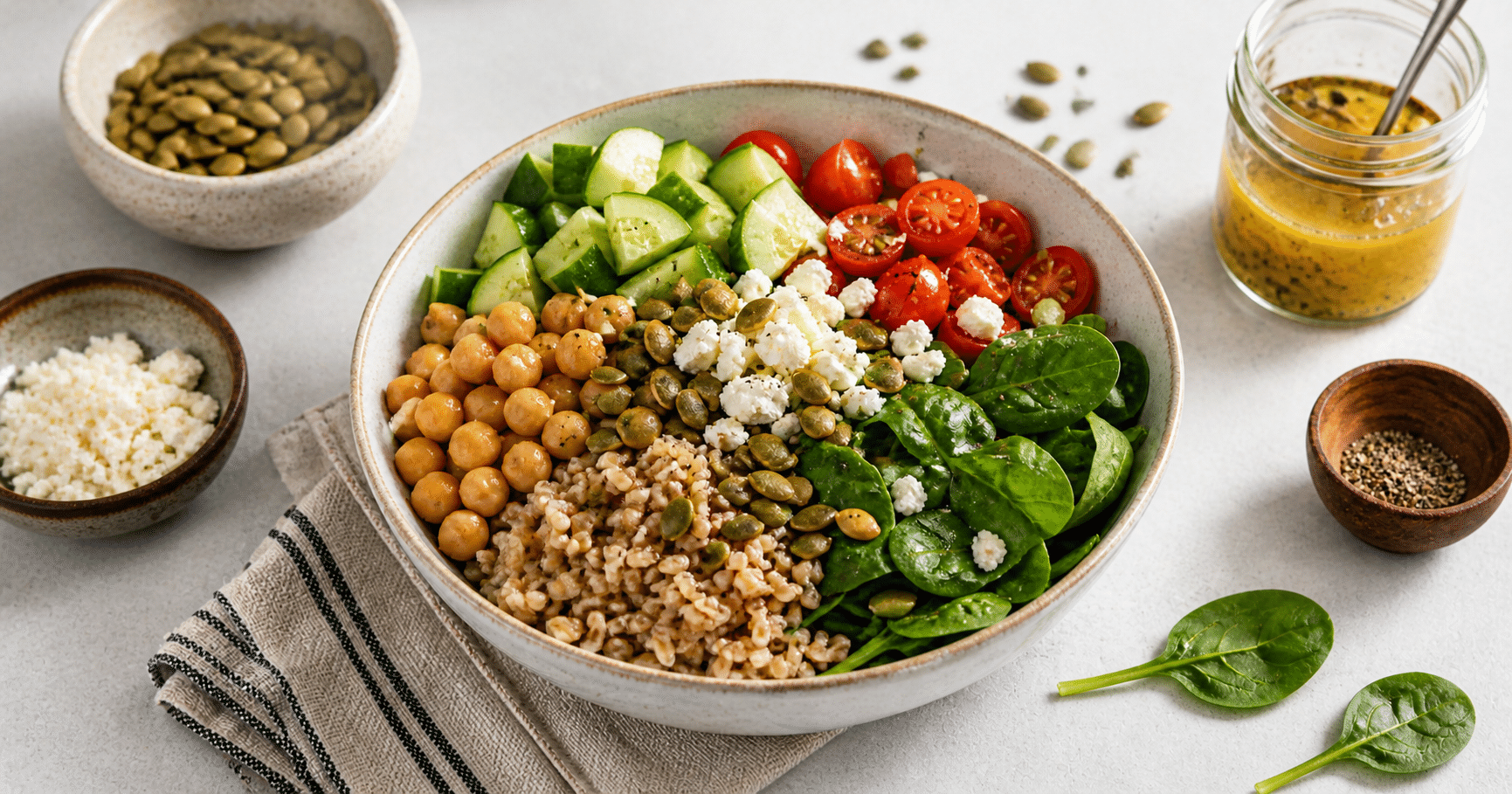
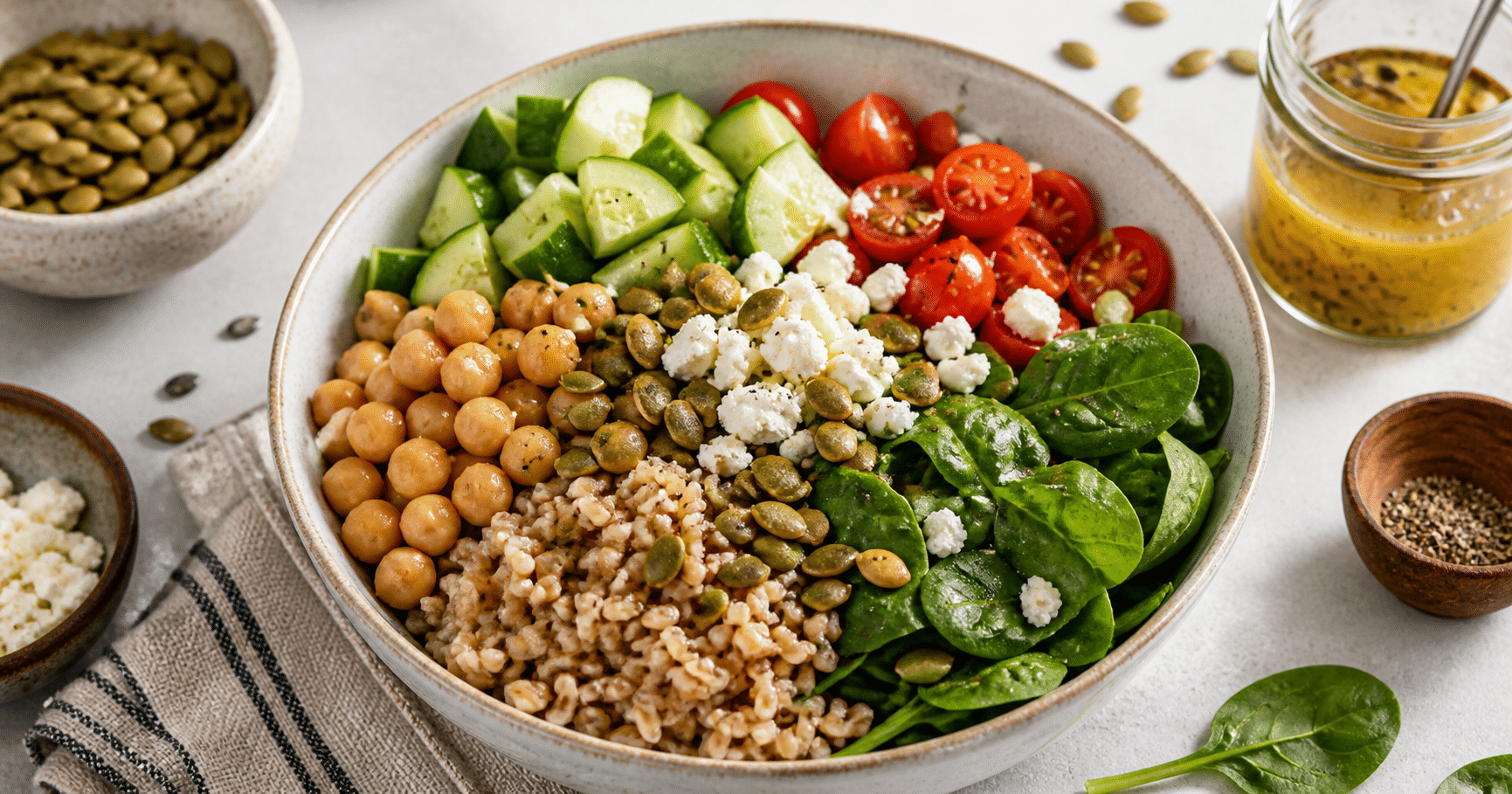
A flexible grain bowl for putting variety into practice
This simple lunch combines a whole grain, beans, vegetables, seeds and a tangy dressing. It is a template rather than a nutrition prescription: swap ingredients based on what you enjoy and have available.
Ingredients (serves 2)
-
- 1 cup cooked farro, brown rice or quinoa
-
- 1 cup rinsed canned chickpeas
-
- 1 cup chopped cucumber
-
- 1 cup halved cherry tomatoes
-
- 2 cups baby spinach or chopped romaine
-
- 2 tablespoons crumbled feta, optional
-
- 2 tablespoons pumpkin seeds
-
- 2 tablespoons olive oil
-
- 1 tablespoon lemon juice
-
- 1 teaspoon Dijon mustard, plus black pepper to taste
Step-by-Step Instructions
-
- Cook the grain according to its package instructions, if it is not already prepared. Let it cool slightly.
-
- Whisk the olive oil, lemon juice, mustard and black pepper in a small bowl.
-
- Divide the grain, chickpeas, cucumber, tomatoes and greens between two bowls.
-
- Add the dressing, then finish with feta and pumpkin seeds if using. Toss just before eating.
Prep time is about 10 minutes if the grain is already cooked; cooking time depends on the grain. Store leftover components in separate covered containers in the refrigerator and assemble when ready to eat. For a different version, use white beans, roasted peppers, shredded cabbage or sunflower seeds. A boiled egg, tofu or leftover chicken can add another protein option.
Make variety easier, not more complicated
Choose one small change at a time. If you usually buy one kind of fruit, add a second. If dinner relies on potatoes or white rice, try barley, brown rice or beans on another night. Keep a few frozen vegetables and canned legumes on hand so a varied meal is possible even when fresh groceries run low.
It also helps to think in swaps rather than additions. Adding a so-called superfood on top of a meal does not automatically improve its overall balance. Replacing a less nourishing snack with fruit and nuts, or using beans in place of some of the meat in a familiar dish, can be a more practical move.
A useful rule of thumb: Repeat the foods you enjoy, but give yourself a few different options within each food group.
Let the pattern—not the superfood—be the star
Superfoods can be nutritious, but no single ingredient has a monopoly on health. A varied eating pattern makes room for different nutrients, fibers, flavors and textures without demanding perfection or costly specialty products.
Keep the foods you love, then widen the rotation one meal at a time. The most useful “superfood” may be the ordinary ingredient you add because it brings something different to the plate.