After a stretch on a low-fiber diet, a big bowl of bran cereal or a generous serving of beans may sound like a healthy way to get back on track. But your digestive system may not welcome that much change all at once. A sudden increase in fiber can bring bloating, gas, cramping, or changes in bowel habits.
The better approach is usually gradual: add one modest serving, see how you feel, then build from there. The right pace depends on why you were eating less fiber in the first place, so a diet prescribed for a medical condition deserves special attention.
Here’s how to reintroduce high-fiber foods with less guesswork, which foods make sensible first steps, and when to check with your health care team before changing your diet.
Why a Gradual Return to Fiber Is Easier on Your Gut
Fiber is the part of plant foods that your body doesn’t fully digest. Some types absorb water and form a gel; others add bulk to stool. Both can support regular bowel movements, but a sudden jump in either can feel uncomfortable, especially after meals have been consistently low in fiber.
Some fiber is fermented by bacteria in the large intestine, producing gas as a normal by-product. When you add several fiber-rich foods at once, your gut has more to adjust to. Starting with a small amount and increasing it over time makes it easier to notice what you tolerate.
“Low-fiber diet” can mean different things. It may have been recommended temporarily before a procedure or because of a digestive condition. If a clinician gave you a specific diet or timeline, ask when and how to advance it—particularly if you have a bowel narrowing, a recent intestinal procedure, or a condition that affects how food moves through your digestive tract.
A Practical Way to Add Fiber Back
1. Begin with one small change
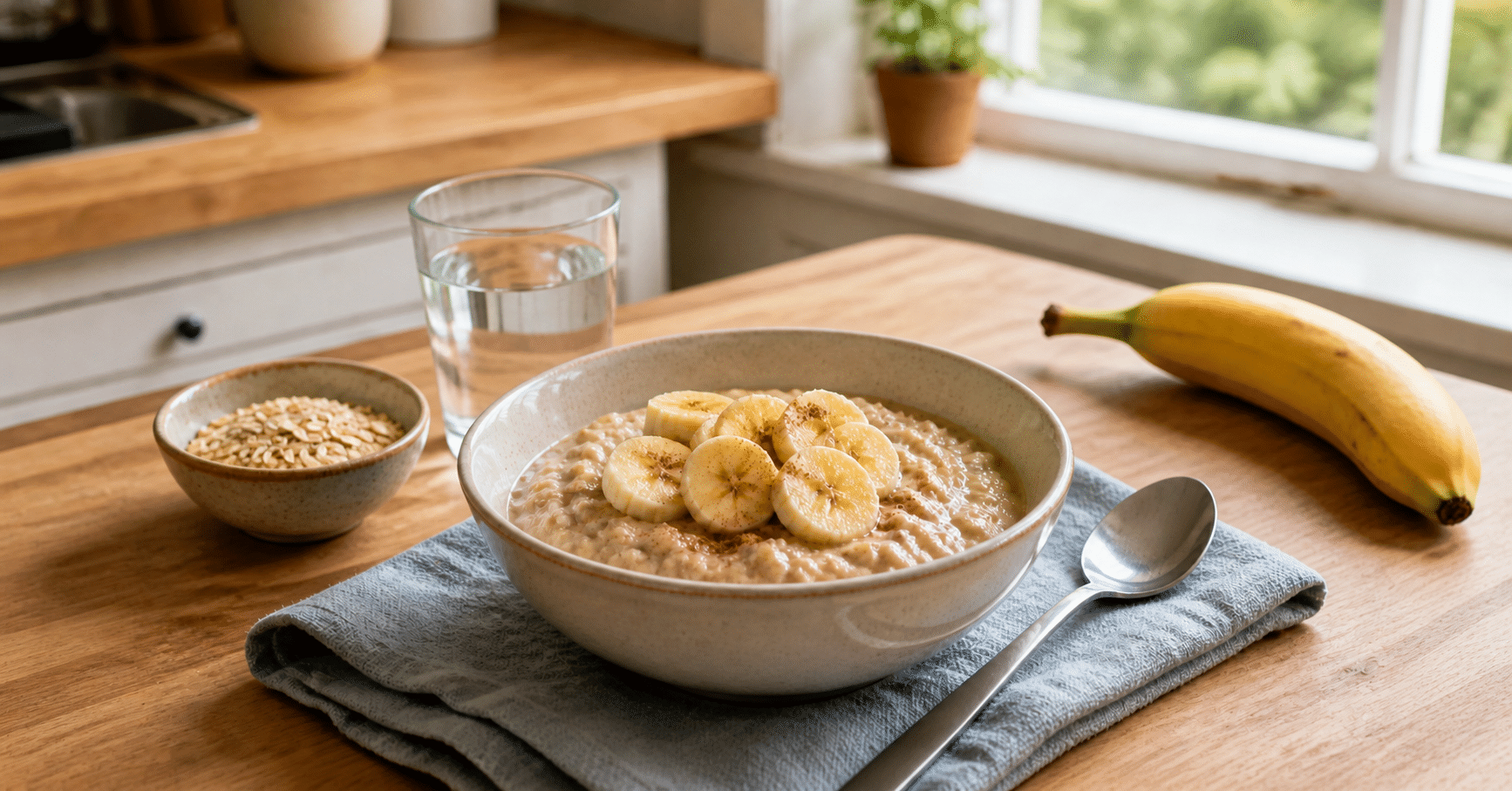
Choose one food to add to your usual meals rather than changing breakfast, lunch, and dinner at once. For many people, a small serving of oatmeal, a ripe banana, or well-cooked vegetables is easier to manage than a large portion of raw vegetables, bran, or beans. Individual tolerance varies, so there is no single best “first food.”
Keep the rest of your meals familiar for a few days. If you feel comfortable, add another small serving or slightly increase the portion. There is no universally established schedule; let your symptoms and any medical instructions guide the pace.
2. Increase portions before piling on foods
Once a food is going well, you can gradually serve a little more. For example, start with a few spoonfuls of cooked vegetables alongside a meal, then work toward a fuller serving if it feels comfortable. Adding several new foods on the same day makes it harder to tell what caused gas or discomfort.
3. Choose texture and preparation thoughtfully
Cooking vegetables until tender can make them easier to chew and may feel more comfortable than a large raw salad. If your clinician has not told you to avoid them, you might also try fruit without tough skins or seeds before moving to larger portions of whole fruit. These are comfort strategies, not guarantees; some people tolerate raw produce just fine.
4. Give fluids a sensible role
Fiber works alongside fluid, and drinking enough can help prevent hard stools for many people. Increase fluids as appropriate for you, but don’t force extra water if you have been told to limit fluids because of a heart, kidney, or other health condition. Follow your clinician’s guidance.
A Gentle Oatmeal Bowl to Try
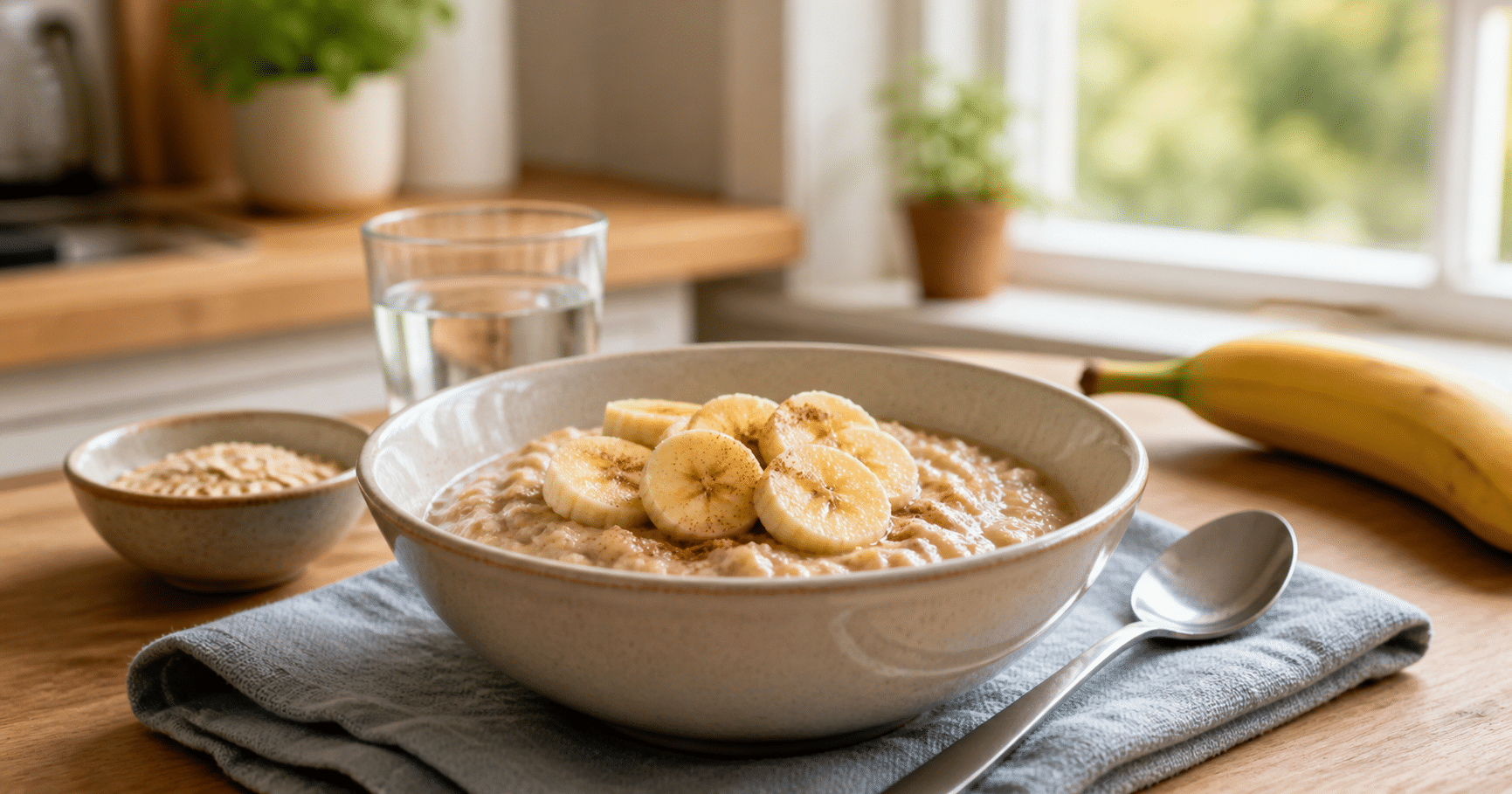
This simple breakfast provides a modest amount of fiber from oats and banana. Start with a smaller portion if you are unsure how you will tolerate it, and avoid adding several extra toppings during your first few tries.
Ingredients
-
- 1/2 cup rolled oats
-
- 1 cup water or milk of your choice
-
- 1/2 ripe banana, sliced or mashed
-
- A pinch of cinnamon, optional
Step-by-Step Instructions
-
- Combine the oats and water or milk in a small saucepan.
-
- Bring to a gentle simmer, then cook according to the package directions, stirring occasionally, until soft.
-
- Stir in the banana and cinnamon, if using. Let the oatmeal cool to a comfortable temperature.
-
- Begin with a modest serving and notice how you feel over the next day or two before increasing the amount or adding other new high-fiber foods.
For a different meal, try a small portion of tender cooked carrots or squash alongside a familiar protein and starch. Keep a brief food-and-symptom note if you’re having trouble spotting patterns; it can also help make a conversation with your clinician more specific.
How Much Fiber Are You Working Toward?
As a general daily reference, U.S. recommendations for adults over 50 are about 21 grams for women and 30 grams for men. Those figures are longer-term goals, not a target you need to reach immediately after a low-fiber period. Your needs may differ based on your health, appetite, and medical instructions.
Fiber supplements can add to your total, but they are not automatically a better first step than food. If you take medications or have a condition affecting digestion, ask a pharmacist or clinician before starting one; some products need to be taken separately from certain medicines, and added fiber may not suit every condition.
If increasing fiber brings persistent or worsening discomfort, pause the increase and seek medical advice. Severe abdominal pain, vomiting, or being unable to pass stool or gas warrants prompt medical attention rather than more fiber at home.
Make the Change Gradual, Not Complicated
After a low-fiber diet, return to higher-fiber foods one small step at a time: choose a manageable food, keep the portion modest, and increase only if it agrees with you. A steady approach is more useful than trying to “catch up” in a single day.
And if the low-fiber diet was medically prescribed, the most important first step may be a quick check-in with the person who recommended it. Your gut’s best pace is the one that fits both your symptoms and the reason fiber was limited.