Fiber rarely gets the same attention as protein or vitamins, yet it can make a noticeable difference in everyday digestion—and it is easy to fall short without realizing it. For adults over 50, getting enough often comes down to small choices: oatmeal instead of a pastry, beans in a soup, or an apple eaten whole rather than juiced.
There is a common catch: fiber is not one single nutrient with one single effect. Different types behave differently in the body, and adding a large amount all at once can cause bloating or gas.
Here’s how fiber supports healthy aging, how much adults over 50 generally need, and how to build it into familiar meals without turning your diet upside down. A simple make-ahead breakfast offers one practical place to start.
What Fiber Does in the Body
Dietary fiber is the part of plant foods the body does not fully digest. Some fiber dissolves in water and forms a gel-like substance; other fiber adds bulk to stool. Many foods contain a mix, and their effects overlap.
Fiber can help keep bowel movements regular, particularly when paired with enough fluid. Certain soluble fibers, such as those in oats, beans, and some fruit, can also help lower LDL (“bad”) cholesterol as part of an overall heart-healthy eating pattern. Fiber-rich meals may slow digestion and soften blood-sugar spikes, though they do not replace diabetes care or medication.
Some fibers are fermented by gut microbes. This process produces substances the body can use, but it does not mean every high-fiber food has the same effect on everyone. The practical goal is variety from vegetables, fruits, beans, nuts, seeds, and whole grains—not a single “superfood.”
Four Useful Ways to Think About Fiber After 50
1. Aim for a daily pattern, not a perfect meal
Common U.S. dietary reference targets for adults age 51 and older are 21 grams a day for women and 30 grams for men. Individual needs can vary, and many people find it easier to build toward a target over time than to count every gram.
Try including a fiber source at each meal: berries with breakfast, beans or whole-grain bread at lunch, and vegetables or lentils at dinner. A pear, a small handful of nuts, or hummus with vegetables can help fill the gaps.
2. Choose foods that bring other nutrients, too
Beans and lentils provide fiber along with protein. Whole fruit offers fiber and a range of nutrients, while juice usually contains much less fiber. Oats, barley, vegetables, nuts, and seeds add variety to the plate.
When buying packaged foods, check the Nutrition Facts label for dietary fiber and look at the ingredient list. “Multigrain” does not necessarily mean whole grain; look for a whole grain, such as whole wheat or oats, near the beginning of the list.
3. Increase gradually to avoid discomfort
A sudden jump from a low-fiber diet to several servings of beans, bran, and seeds may bring gas, bloating, or cramping. Add one fiber-rich food at a time and give your body a chance to adjust. Drinking fluids regularly can help fiber do its job, unless a clinician has advised you to limit fluids.
4. Let convenience work in your favor
Fiber does not have to mean elaborate cooking. Canned beans, frozen vegetables, plain rolled oats, and whole-grain bread can make a quick meal more substantial. Rinse canned beans to reduce some of the added sodium, and keep easy options where you will see them.
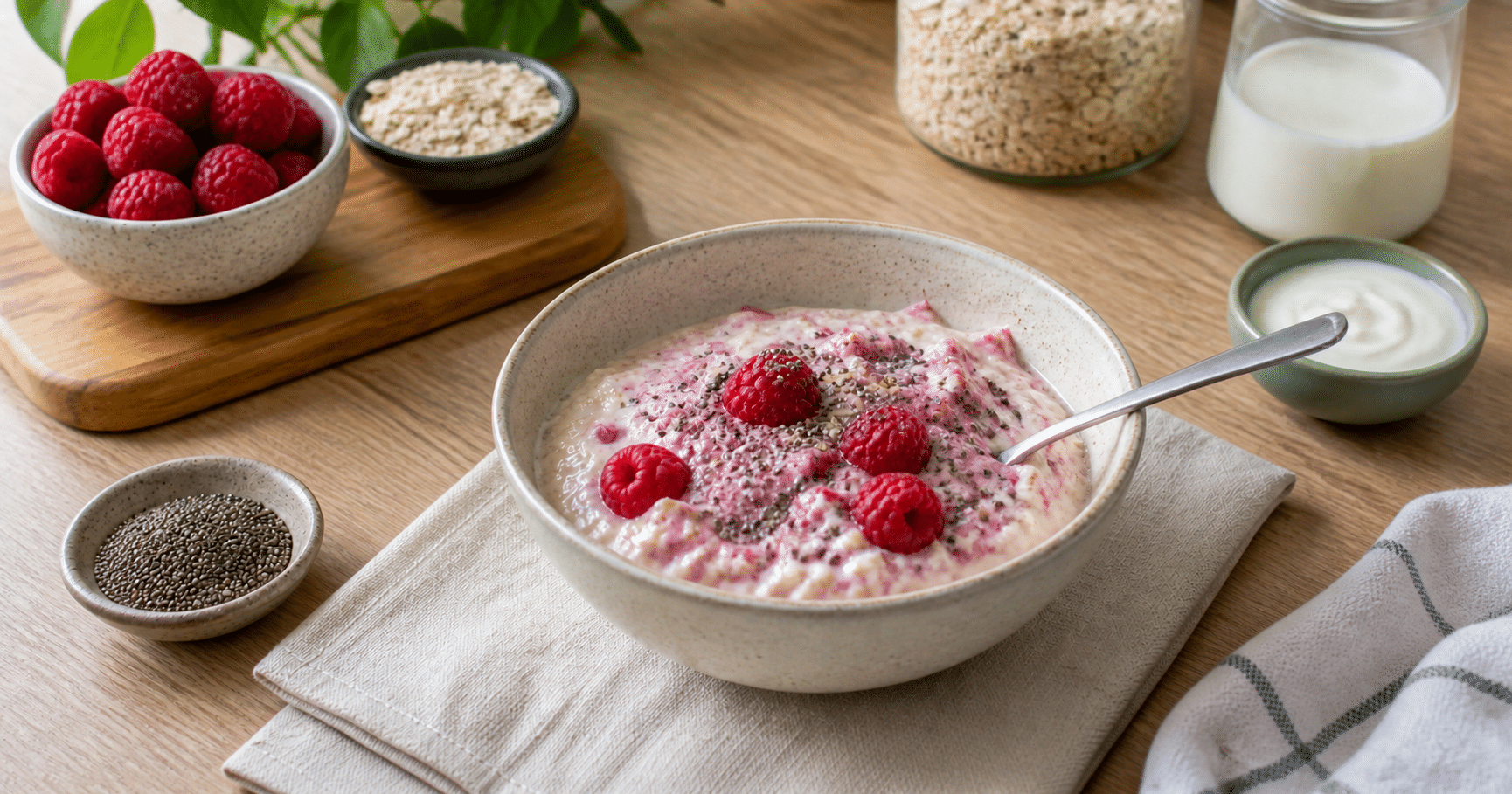
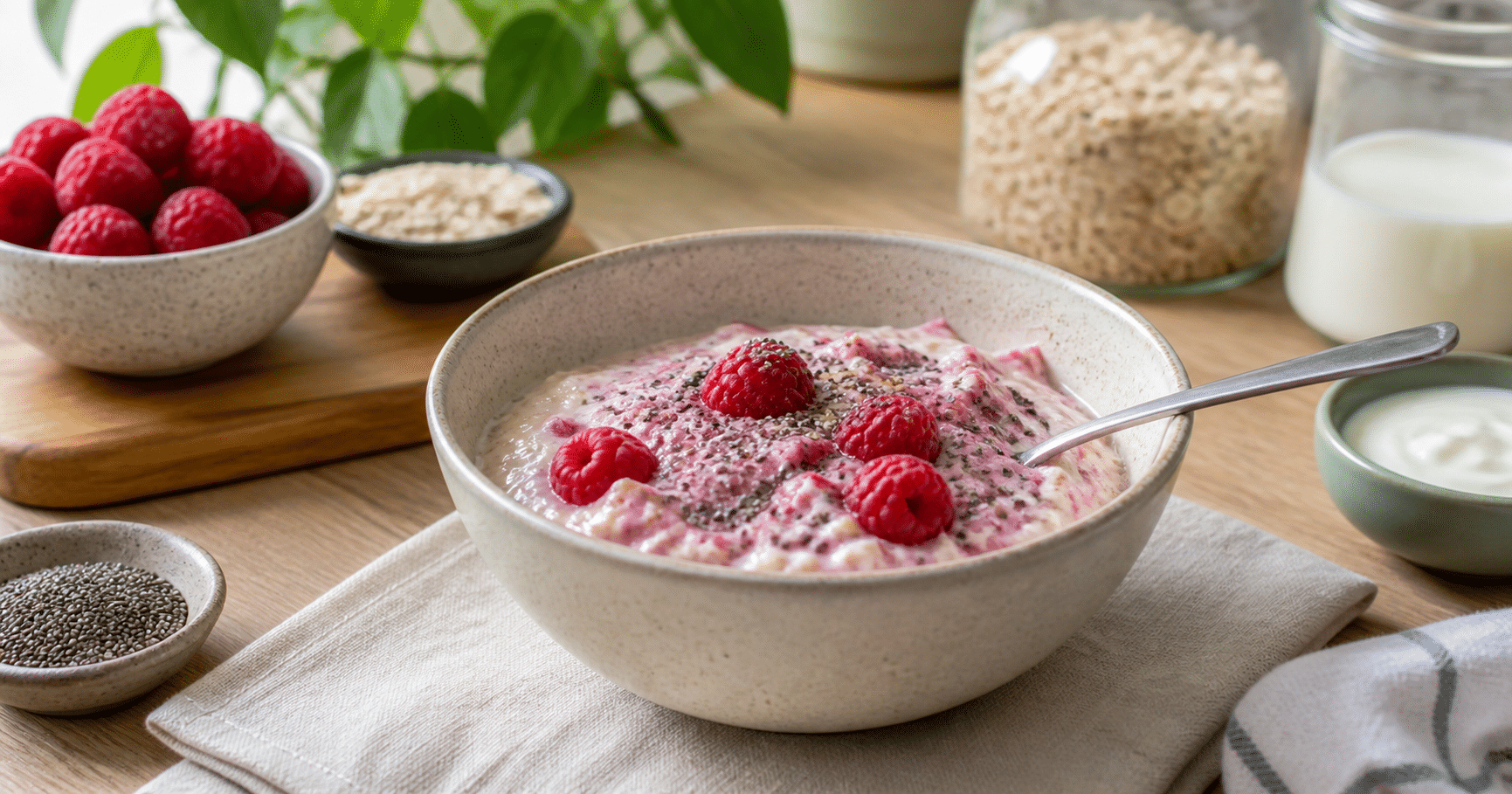
Make-Ahead Raspberry Chia Oats
This cool, spoonable breakfast combines oats, chia seeds, and raspberries for a convenient fiber-rich start. The exact fiber content varies by brand and portion, but these ingredients can contribute a substantial amount toward the day’s total.
Ingredients
-
- 1/2 cup old-fashioned rolled oats
-
- 1 tablespoon chia seeds
-
- 1/2 cup raspberries, fresh or frozen
-
- 1/2 cup milk of choice
-
- 1/4 cup plain yogurt, optional
-
- A pinch of cinnamon or a little honey, optional
Step-by-Step Instructions
-
- In a jar or covered container, stir together the oats, chia seeds, milk, and yogurt, if using.
-
- Fold in the raspberries. If using frozen berries, they can go in straight from the freezer.
-
- Cover and refrigerate for at least 6 hours or overnight, until the oats and chia have absorbed some of the liquid.
-
- Stir before eating. Add a splash of milk if the mixture is thicker than you like, and finish with cinnamon or a small drizzle of honey if desired.
Preparation takes about 5 minutes, plus chilling time. Keep the container refrigerated and enjoy it within a few days. If you are new to chia or a higher-fiber breakfast, start with 1 teaspoon rather than a full tablespoon, then increase if it agrees with you.
Small Swaps Make Fiber Easier to Sustain
Consistency matters more than making every meal high in fiber. Stir beans into a favorite soup, use brown rice or barley in a grain bowl, or add extra vegetables to pasta sauce. If raw vegetables feel tough to manage, cooked vegetables may be more comfortable while still contributing fiber.
People with certain digestive conditions, a history of bowel narrowing, or a clinician-directed low-fiber diet may need individualized advice before increasing fiber. And if you use a fiber supplement such as psyllium, follow its label directions; it can affect how some medicines are absorbed, so ask a pharmacist or clinician whether you should separate doses.
A Better Fiber Habit Starts With One Addition
Fiber supports regular digestion and can contribute to heart- and blood-sugar-friendly eating, but there is no need to overhaul your kitchen overnight. Add a plant food you enjoy, increase portions gradually, and drink fluids as appropriate for you.
A bowl of oats, a serving of beans, or a piece of whole fruit may seem like a small choice. Repeated day after day, those choices are how a more fiber-rich routine takes root.